
Imagine the peace of mind knowing you have a standby generator ready to kick in when the power goes out. But what if you need to move it?
You might be wondering if it’s even possible to relocate your trusty standby generator without causing damage or voiding warranties. Whether you’re moving to a new home, redesigning your backyard, or simply looking for a more convenient spot, the question of relocation is essential.
You’ll discover the straightforward answers and practical tips for safely and efficiently moving your standby generator. Dive in to find out how you can ensure uninterrupted power wherever you need it.
Safety Considerations
Check if the current spot is safe. Look for any risks nearby. Make sure the ground is stable. Avoid places near water or too much sunlight. Safety is the most important thing.
Think about what can go wrong. Are there trees or wires above? Is there a chance of flooding? Check for anything that can harm the generator. Safety should always come first.
Follow the rules of your area. Each place has different regulations. Check what is allowed before moving the generator. Following rules keeps everyone safe. Ask local authorities if unsure.

Credit: www.generac.com
Planning The Move
Relocating a standby generator requires careful planning to ensure safety and functionality. Check local regulations and hire professionals for the move. Proper site preparation and connection assessments are crucial for effective relocation.
Determining The New Location
Choose a spot with good air flow around the generator. Avoid closed spaces to prevent overheating. Ensure it is away from windows and doors. This helps to keep fumes out. Check local rules for distance requirements. Safety is very important in choosing the new spot.
Calculating Distance And Path
Measure the distance from the old to the new location. Plan a clear path for moving the generator. Avoid obstacles like trees and rocks. Ensure the ground is strong enough to hold the generator. This helps in avoiding any damage or accidents.
Scheduling And Preparation
Pick a day with good weather for the move. Gather all tools needed for the relocation. Inform neighbors about the move in advance. This helps in reducing surprises and ensures everyone is aware. Prepare the new site by leveling the ground if necessary. Make sure power connections are ready before the move.
Technical Requirements
Relocating a standby generator requires careful attention to technical details. Ensure proper installation to maintain efficiency and safety. Consult professional guidelines to adhere to electrical and zoning codes.
Power Supply And Connections
The generator needs a reliable power supply. Ensure all connections are secure. Wires must be the right size to handle the load. Check for any signs of wear or damage. Proper grounding is essential for safety. Follow local codes and regulations for installation.
Foundation And Mounting
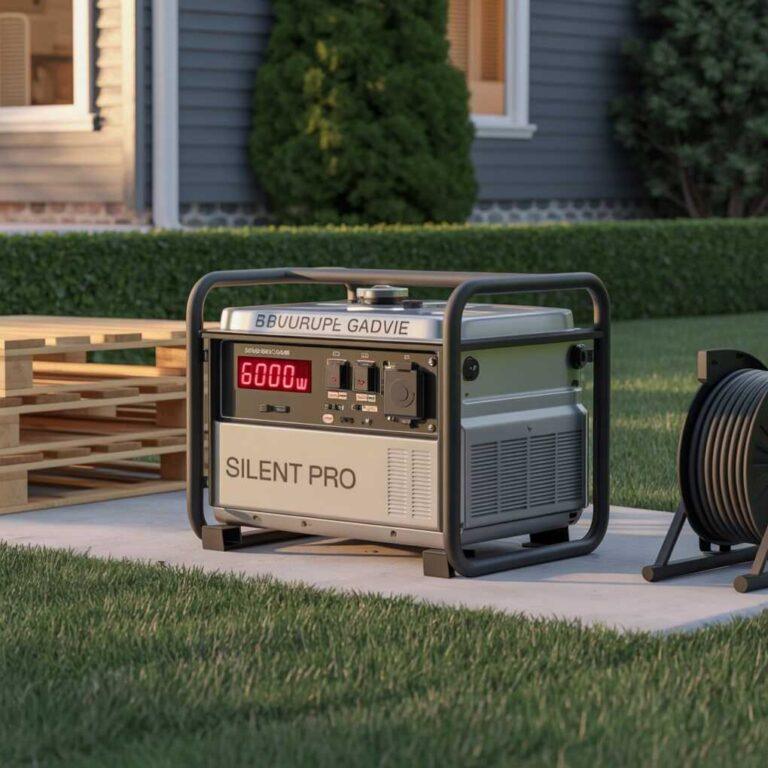
Place the generator on a strong foundation. It should be stable and level. Use appropriate mounting hardwareto secure it. The foundation must support the generator’s weight. Consider using concrete pads for durability. Inspect regularly for cracks or shifts.
Ventilation And Cooling Needs
Ensure proper ventilationto avoid overheating. The area must be free from obstructions. Install vents or fans if needed. Cool air should flow freely around the generator. Regular checks can prevent overheating issues. Follow manufacturer guidelines for cooling requirements.
Credit: www.homedecorfull.com
Relocation Process
Moving a generator needs careful planning. First, turn off all power sources. Then, disconnect the generator safely. Use a strong cart or dolly to move it. Make sure it is stable on the cart. Secure it with straps to avoid tipping over. Use a truck for longer distances. Make sure the truck is spacious and secure. Avoid bumpy roads to keep the generator safe.
Choose a flat, dry spot for the generator. Ensure it is far from windows and doors. This prevents fumes from entering the building. Place the generator on a sturdy base. Connect it to the power system carefully. Use proper cables and fittings. Check all connections twice to ensure safety.
After installation, start the generator gently. Listen for any strange noises. Check for vibrations and leaks. Test all connections with a tester. Make sure the power flows smoothly. Run a test load for at least 30 minutes. Ensure the generator handles the load without issues. Monitor the performance and make adjustments if needed.
Common Challenges
Relocating a standby generator often involves challenges such as electrical rewiring and ensuring proper ventilation. Site restrictions might affect accessibility, complicating the relocation process.
Physical Obstacles
Moving a generator is not easy. Large trees might block the path. Narrow spaces make it hard to move. Heavy equipment could be needed. Always plan the route first. This avoids surprises. Ensure there is enough space for the generator. Safety is very important during the move.
Environmental Factors
Weather can cause problems. Rain makes the ground slippery. Snow makes paths hard to see. Strong winds might affect the move. Always check the weather before moving. Mud can make the ground soft. This can cause accidents. Clear days are best for moving.
Unexpected Costs
Moving a generator can cost money. You might need special tools. Permits could be required in some places. Professional help might be necessary. Always check for hidden costs. This will help in planning your budget. Be ready for unexpected expenses.
Maintenance After Relocation
Relocating a standby generator is possible but requires careful planning. Ensure proper installation and adherence to safety guidelines to maintain its efficiency. Hiring professionals can help prevent damage and ensure the generator functions correctly in its new location.
Routine Checks And Inspections
Generators need regular checksto ensure they work well. Look at cables, pipes, and fuel levels. Check the battery for any damage. Inspect the control panel for loose connections. Clean all parts to prevent dust buildup.
Monitoring Performance
Watch how the generator runs. Make sure it starts and stops smoothly. Listen for odd sounds. Check if it gives enough power. Keep an eye on temperature levels. Record data to spot any performance changes.
Troubleshooting Issues
Identify problems quickly. If the generator won’t start, check the battery. Look for fuel leaks or blockages. Reset the control panel if needed. Consult the manual for error codes. Call a technician for complex issues.
Expert Recommendations
Choosing expert help ensures safe generator relocation. Professionals have experiencewith heavy equipment. They understand electrical connections better. Hiring experts can prevent damage during the move. It may also avoid costly repairs later. Professional services offer reliabilityand peace of mind.
Safety is crucial when moving generators. Ensuring the area is clear is important. Keep children and pets away during the move. Use safety gearlike gloves and helmets. Follow all manufacturer instructionsclosely. Check the generator for damages before relocation. Make sure it’s turned off and unplugged.
| Tool | Purpose |
|---|---|
| Wrench | Loosen bolts and screws |
| Dolly | Move heavy generator safely |
| Gloves | Protect hands during the move |
| Helmet | Ensure head safety |

Credit: bergeyselectric.com
Frequently Asked Questions
What Are The Rules For Standby Generators?
Standby generators must comply with local zoning laws and noise regulations. Install them according to the manufacturer’s instructions. Ensure proper ventilation and safe fuel storage. Regular maintenance and testing are essential. Follow National Electrical Code (NEC) guidelines for electrical connections to prevent hazards.
Is A Generac Movable?
Yes, many Generac generators are portable. They come with wheels and handles for easy transportation. These models are ideal for outdoor events, construction sites, and emergency backup. Check the specifications to confirm the portability features before purchase.
Is It Hard To Move A Generator?
Moving a generator can be challenging due to its weight and size. Use proper equipment like dollies or hoists. Secure the generator during transport to prevent damage. Ensure safety by following guidelines and using appropriate tools. Hiring professionals can simplify the process and ensure safe relocation.
How Much Does It Cost To Install A Generac Generator And Transfer Switch?
Installing a Generac generator and transfer switch typically costs between $5,000 and $10,000. Prices vary based on generator size, installation complexity, and local labor rates. Always get quotes from multiple installers for accurate pricing. Consider additional expenses like permits and maintenance for a comprehensive estimate.
Conclusion
Relocating a standby generator needs careful planning. Assess your current space and needs. Safety is key. Ensure proper installation for optimal performance. Consider professional help to avoid costly mistakes. Check local regulations before moving the generator. This ensures compliance and safety.
Regular maintenance remains essential after relocation. A well-placed generator provides peace of mind during outages. Always prioritize safety and functionality. Proper relocation can enhance efficiency and reliability. Make informed decisions for lasting benefits.