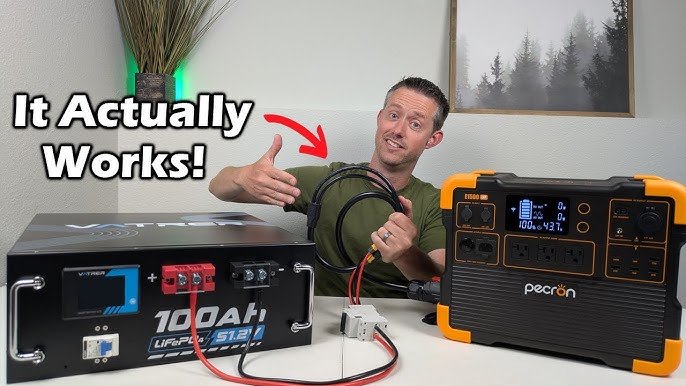
Have you ever wondered if a standby generator can charge a 48-volt battery pack? Whether you’re gearing up for a camping trip or preparing for a power outage, knowing how to keep your battery pack charged is crucial.
Imagine the peace of mind you’ll feel when you know your backup power source is ready to go at a moment’s notice. We’ll explore how a standby generator can be your perfect ally in charging your 48-volt battery pack. You’ll discover practical insights, tips, and all the essential information you need to make informed decisions.
Stay with us, and you’ll soon be empowered with knowledge that could make all the difference in keeping your devices and systems running smoothly.

Credit: www.youtube.com
Basics Of Standby Generators
Standby generators can power devices that charge batteries, but not all support 48-volt battery packs directly. Proper adapters or chargers are needed to safely connect a standby generator to a 48-volt battery system. Always check the generator’s specifications before use.
How Standby Generators Work
A standby generator starts automatically during a power outage. It uses fuel like gasoline, diesel, or propane. The generator creates electricity by spinning a motor connected to a fuel engine. This electricity powers your home or devices until the main power returns. It switches off once the power is back.
These generators need regular maintenance to work well. They have an automatic transfer switch that moves power from the grid to the generator quickly. This setup keeps your home running smoothly without manual help.
Common Power Outputs
| Generator Size (kW) | Typical Use | Power Output (Volts) |
|---|---|---|
| 5 – 7 kW | Small homes, basic appliances | 120/240 V |
| 10 – 20 kW | Medium homes, multiple circuits | 120/240 V |
| 20 – 50 kW | Large homes, small businesses | 120/240 V or 277/480 V |
| 50+ kW | Commercial buildings, large loads | 277/480 V |

Credit: www.wattcycle.com
48 Volt Battery Packs Explained
48 volt battery packsstore electrical energy for many uses. They are common in electric vehicles, solar systems, and backup power setups. These packs provide a good balance of power and size.
Typical applicationsinclude golf carts, electric bikes, and home energy storage. These batteries help run devices and vehicles smoothly and efficiently.
Charging requirementsfor 48 volt battery packs need a steady and correct voltage. Chargers must match the battery’s voltage and current limits to avoid damage. Proper chargers use smart technology to stop charging when full.
Compatibility Factors
Voltage matching is key for charging a 48 volt battery pack. The generator’s output voltage should closely match the battery voltage. Too high or too low voltage can damage the batteryor reduce charging efficiency.
Current capacity matters to avoid overloading. The standby generator must provide enough current to charge the battery safely. A generator with low current outputmay charge slowlyor fail to charge the battery.
| Charging Controller | Function |
|---|---|
| Regulates Voltage | Prevents overcharging by controlling voltage |
| Manages Current | Limits current to safe levels for the battery |
| Protects Battery | Prevents damage from voltage spikes and overcurrent |
Using a proper charging controllerensures the battery stays safe and lasts longer. It helps match the generator output to the battery needs.
Charging Methods For 48v Batteries
Direct charginga 48V battery pack with a standby generator can be risky. The voltage and current must match the battery’s needs exactly. Too much voltage or current can damage the battery or reduce its life. Batteries need a stable and controlled charging source. A generator alone often can’t provide this.
DC-DC convertershelp adjust the voltage from the generator to the correct level for the battery. They ensure the battery gets the right current and voltage. This protects the battery and makes charging more efficient. Using a DC-DC converter is safer than direct charging.
A Battery Management System (BMS)monitors battery health and charging. It stops overcharging and prevents overheating. The BMS balances the cells inside the battery pack. This keeps the battery safe and working well for a long time.
Standby Generator Modifications
Integrating an inverterwith a standby generator allows charging a 48-volt battery pack. The inverter changes generator’s AC powerto the DC powerneeded by the batteries. This setup requires careful matching of voltage and power ratings.
Adding regulation and safety featuresprotects both the generator and battery. These include:
- Voltage regulatorsto keep output stable.
- Overcharge protectionto avoid battery damage.
- Automatic shutoffin case of faults.
- Fuses and circuit breakersfor electrical safety.
Proper wiring and regular checks ensure the system works efficientlyand safely. This setup can be a reliable backup power source for 48-volt battery packs.
Expert Recommendations
Standby generatorscan charge a 48 volt battery packwith the right setup. Use a compatible chargerthat matches the battery’s voltage and type. Avoid connecting the generator directly to the battery without a proper charge controller. This prevents overchargingand battery damage.
Always check the generator’s power output. It must be stable and enough for the battery pack. Use proper wiringand secure connections to avoid power loss or safety hazards.
- Use a regulated chargerfor safe charging.
- Keep the battery in a cool, dry place.
- Monitor the battery voltage during charging.
- Do not exceed the generator’s recommended load.
- Regularly inspect cables and connections for wear.
Avoid common mistakeslike skipping the charge controlleror using a generator with unstable output. This can cause battery failureor fire risks.
Real-world Examples
Standby generators can power devices that charge 48-volt battery packs if properly connected. Many users rely on generators during outages to keep batteries charged for essential equipment. Real-world setups often include converters to match voltage and ensure safe charging.
Successful Implementations
Many users have successfully charged 48 volt battery packsusing standby generators. These generators can provide a steady power source for charging batteries. The key is to match the generator’s output with the battery charger’s input requirements.
Some setups use an inverter chargerthat converts the generator’s AC power to DC power for the battery pack. This method keeps the battery safe and extends its life.
Case Studies
| Project | Generator Type | Battery Pack | Charging Method | Outcome |
|---|---|---|---|---|
| Off-grid cabin | 10 kW standby | 48V lithium-ion | Inverter charger | Efficient, reliable charging |
| Farm equipment | 15 kW diesel | 48V lead-acid | Direct AC to DC converter | Stable power supply |
| Remote telecom | 8 kW gas | 48V NiMH | Smart charger with regulator | Long battery life |
Credit: www.pmgenerators.com
Frequently Asked Questions
Can A Standby Generator Charge A 48-volt Battery Pack?
Yes, a standby generator can charge a 48-volt battery pack if it has the right inverter or charger. The generator must provide stable power and match the battery pack’s voltage and current requirements for safe charging.
What Type Of Charger Is Needed For 48-volt Batteries?
A DC charger compatible with 48 volts is needed. It should regulate voltage and current to prevent battery damage. Using a proper charger ensures efficient and safe battery charging from the generator power source.
Is It Safe To Use A Generator For Battery Charging?
Yes, it is safe if the generator and charger are compatible with the battery. Proper connections and safety devices prevent overcharging and electrical hazards. Always follow manufacturer guidelines and use quality equipment.
How To Connect A Standby Generator To A Battery Pack?
Connect the generator to a compatible charger or inverter first. Then, link the charger output to the battery pack terminals. Ensure all connections are secure and polarity is correct to avoid damage.
Conclusion
A standby generator can charge a 48-volt battery pack with the right setup. You need a compatible charger between the generator and battery. This ensures safe and effective charging. Always check the generator’s power output and battery specifications. Using the correct equipment prevents damage and saves energy.
Standby generators provide reliable power during outages. They work well to keep your battery charged. Remember to follow safety guidelines and manufacturer instructions carefully. This helps your system last longer and perform better. Charging a 48-volt battery with a standby generator is possible and practical.