
Imagine a storm rolling in, the power goes out, and suddenly, you find yourself without water. It’s moments like these that make you wonder about your standby generator and its ability to keep your well pump running.
You might be asking yourself, “Can a standby generator really power a well pump? ” This question isn’t just about convenience; it’s about ensuring your household’s safety and comfort during an outage. The good news is, we’re here to explore this topic thoroughly, helping you understand the capabilities of your generator and what it takes to keep your well pump operational.
By the end of this article, you’ll have the information you need to make confident decisions about your power backup solutions. Let’s dive into the essentials so you can ensure your water flows uninterrupted, no matter what the weather throws your way.
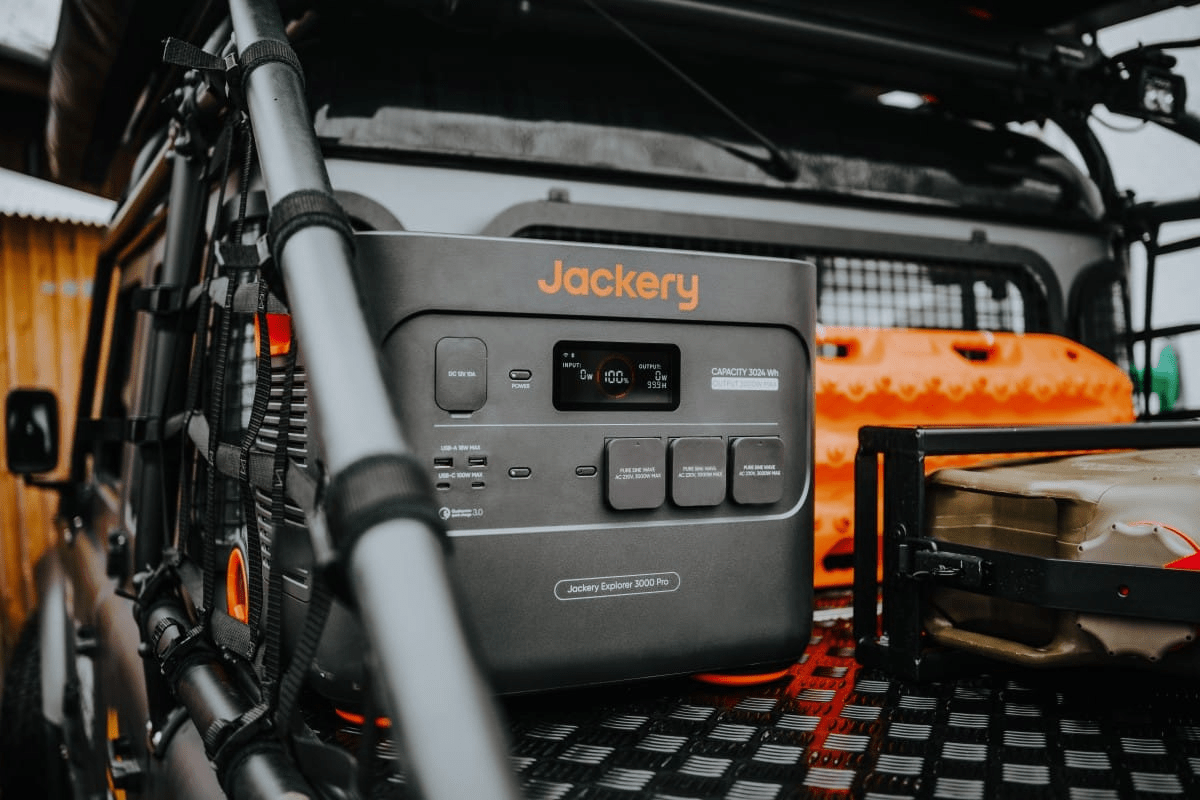
Credit: www.jackery.com
Power Needs For Well Pumps
Standby generators can efficiently run well pumps during power outages. Ensure your generator has sufficient wattage to meet the pump’s requirements. Proper sizing guarantees uninterrupted water supply for your home.
Types Of Well Pumps
Well pumps come in different types. The most common are jet pumps and submersible pumps. Jet pumps sit above the ground. They pull water up from the well. Submersible pumps are inside the well. They push water up to the surface. Both types need electricity to work.Typical Power Requirements
Typical power needs depend on the pump type. Jet pumps need about 700 watts to run. Starting them may need 1400 watts. Submersible pumps often need 1000 watts. Starting these may require 2000 watts. Standby generators must match these needs. Choosing the right generator is key. It ensures the pump works properly. `Choosing The Right Standby Generator
Selecting the right standby generator is crucial for running a well pump efficiently. Ensure the generator’s power capacity matches the pump’s needs to avoid overload.
Generator Capacity And Sizing
A standby generator must be strong enough for your well pump. A well pump uses a lot of power to start. Check the power in watts needed for your pump. Choose a generator with more watts than your pump needs. This ensures the pump runs smoothly. Too small a generator can cause problems. It may not start the pump at all. A larger generator is safer and more reliable.
Fuel Options And Efficiency
Standby generators use different types of fuel. Common options include gasoline, diesel, and natural gas. Each has its own benefits. Gasoline is easy to find but doesn’t last long. Diesel is efficient and stores well. Natural gas is clean and connects to your home supply. Choose a fuel type that suits your needs. Also, check how much fuel the generator uses. Efficient generators save money and need less refueling.
Installation Considerations
Choosing the right location is important for a standby generator. It needs enough space to breathe. Keep it at least 5 feet away from walls and windows. This prevents harmful gases from entering your home. Generators also need room for maintenance. Make sure there’s enough space for easy access. Don’t place them near trees or bushes. They can block airflow and cause overheating.
Safety is the most important thing when using generators. Always read the user manual. It has important safety tips. Never run a generator indoors. This can cause dangerous gas buildup. Use a transfer switch to connect it to your home. This prevents electrical shocks. Keep the generator dry. Water and electricity don’t mix well. Regularly check cables for wear and tear. Replace damaged ones immediately.

Credit: www.jackery.com
Connecting A Generator To A Well Pump
Connecting a generator to a well pump requires careful attention. First, ensure the generator is off. It’s important for safety. Make sure all wires are properly insulated. Use correct wire sizes to handle the load. This prevents overheating. A professional electrician can help with this. Secure connections are vital. Loose connections can cause sparks. Always use waterproof covers to protect the wires. This keeps them safe from rain and moisture.
An Automatic Transfer Switch (ATS) is very useful. It switches power from the main supply to the generator automatically. This means you don’t have to do it manually. The ATS ensures a smooth transition. It prevents damage to the pump. The switch monitors power levels constantly. If the main power fails, the ATS kicks in. This keeps the well pump running without interruption. Install the ATS with the help of a professional. It’s safer and ensures correct installation.
Performance And Reliability
A standby generator can effectively power a well pump, ensuring uninterrupted water supply during outages. Proper sizing and installation are crucial for consistent performance and reliability.
Testing And Maintenance
Regular testingis crucial for generators. It ensures the generator works well. Check the oil and fuel levels. Make sure the battery is charged. Inspect the wires and connections. Clean the air filter often. These steps help avoid problems. Good maintenance improves performance.
Troubleshooting Common Issues
Generators may face issues. Sometimes, they don’t start. Check the fuel supply first. Inspect the spark plug next. If there’s no electricity, examine the circuit breaker. Loose wires can cause trouble. Tighten them carefully. If noise is a problem, look for loose parts. Fix them quickly to ensure smooth operation.
Cost Implications
Running a well pump with a standby generator can increase energy costs significantly. Additional expenses include maintenance and fuel. Proper sizing ensures efficient operation, minimizing unnecessary costs.
Initial Investment
The initial cost of a standby generator can be high. Generators vary in price based on size and power. A generator for a well pump may cost more. Installation fees add to the total cost. You might need a professional for setup. This ensures the generator works well with your pump.
Long-term Costs
Long-term costs include maintenance and fuel. Generators need regular checks to stay efficient. Fuel costs depend on generator type. Some use diesel; others use gasoline. Fuel prices can change over time. Replacement parts may be needed. This adds to the overall expense. Regular care keeps the generator running smoothly.
Environmental Impact
Standby generators can effectively power well pumps, reducing the environmental impact. This solution ensures reliable water access during power outages, decreasing reliance on traditional energy sources. Efficient energy use minimizes emissions, promoting eco-friendly practices.
Emissions And Noise Levels
Standby generators can produce harmful emissions like carbon monoxide. These emissions can affect air quality. Noise levels can also be high. Generators can be loud, disturbing wildlife and people. Quiet models are available but might cost more. Regular maintenance can reduce emissions and noise. Always check local regulations for generator use.
Eco-friendly Alternatives
- Solar-powered pumps use sunlight. They are quiet and clean.
- Wind turbines can generate energy for pumps. They are also eco-friendly.
- Battery systems store energy for later use. They can run pumps without emissions.
- Manual pumps need no electricity. They are the greenest choice.
Benefits Of Using A Generator For Well Pumps
Generators ensurewater flows even during power cuts. You won’t face dry taps. This is vital for homes relying on well water. It keeps families happy and healthy. Generators preventwater interruptions. They are like a safety net for your water needs.
In emergencies, a generator is a lifesaver. It keeps water flowing when storms hit. Families can stay safe with continuous water supply. No need to worry about running out. It’s like having a backup plan for water. Generators are essentialfor emergency readiness.

Credit: www.youtube.com
Frequently Asked Questions
How Big Of A Generator Do I Need To Run A Well Pump?
A generator with at least 3,000 watts is typically needed to run a standard well pump. Check the pump’s specifications for exact wattage requirements to ensure proper operation. Always consider additional power needs for other appliances when sizing your generator.
Can I Run My Well Pump Off A Generator?
Yes, a generator can power your well pump. Ensure the generator matches the pump’s wattage requirements for proper operation. Use a transfer switch to safely connect the generator. Regular maintenance ensures reliability during power outages. Consult a professional for installation to avoid electrical hazards.
How Many Watts Do You Need To Run A Well Pump?
A well pump typically requires 750 to 1,500 watts to operate. The specific wattage depends on the pump’s size and type. Always check the manufacturer’s specifications for accurate power requirements. Ensure your power source matches the pump’s needs for efficient operation.
Can A 2000 Watt Generator Run A Well Pump?
A 2000 watt generator can run a well pump, but it depends on the pump’s power requirements. Check the pump’s wattage and starting watts. Most well pumps need more power initially. Ensure the generator’s capacity matches or exceeds the pump’s needs for optimal performance.
Conclusion
A standby generator can efficiently run a well pump. Ensure it matches the pump’s power needs. Check voltage and amperage requirements. Reliable power keeps water flowing during outages. Regular maintenance extends generator life. Avoid surprises by testing the setup. Consult professionals for proper installation.
Understand your generator’s capacity fully. This prevents overload issues. A well pump powered by a generator offers peace of mind. Water availability remains consistent. Make informed decisions about your home’s energy options. Stay prepared for unexpected power cuts. A standby generator is a practical solution for well pump operation.