
Imagine a storm knocks out your power, leaving you in the dark for days. You might wonder if your standby generator can keep running indefinitely as long as it’s supplied with fuel.
You’re not alone in this thought. Many homeowners like you ponder the reliability and endurance of their backup power sources, especially when faced with unpredictable outages. Can your standby generator be the hero that saves the day, or does it come with limitations you need to know about?
You’ll discover the truth about how long your generator can run, what factors influence its performance, and the crucial steps to ensure it runs smoothly when you need it most. Stick around to uncover the secrets to keeping the lights on and your home running without a hitch.
Generator Basics
Standby generators come in various types. The most common ones are diesel, natural gas, and propane generators. Diesel generators are known for their durability. Natural gas generators are popular for their easy fuel access. Propane generators are often chosen for their cleaner emissions. Each type has its own advantages. Choosing the right one depends on your needs and fuel availability.
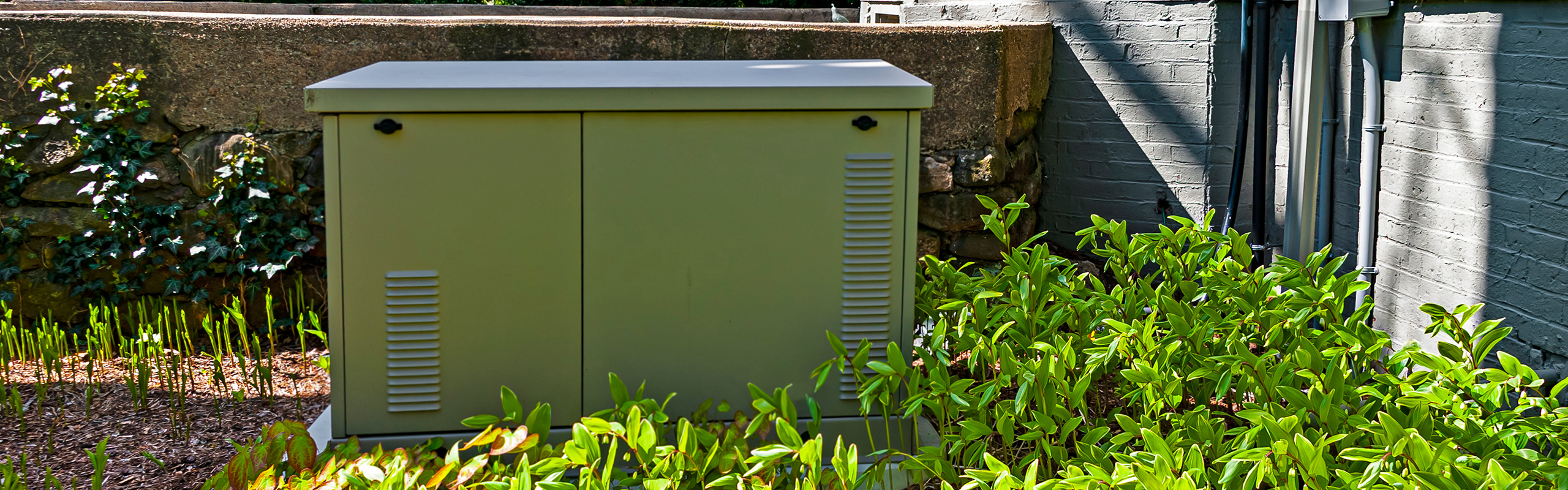
Generators have several important parts. The engine is the main component. It powers the generator. The alternator turns engine power into electricity. The fuel system stores and delivers fuel. The cooling system prevents overheating. The exhaust system removes gases. A control panel helps you operate the generator. These parts work together to provide power.
Credit: www.abt.com
Fuel Options
Diesel generators are strong and last long. They use diesel fuel, which is easy to find. Diesel engines need less upkeep. This makes them a top pick for many. Diesel can be stored for a long time. But, it can get dirty if not used. Diesel generators can be noisy. They also make a lot of smoke.
Natural gas generators run on gas from pipelines. They are usually quiet and clean. These generators don’t need fuel storage. This is because gas comes through pipes. Natural gas is often cheaper than diesel. But, if there is a gas cut, they won’t work. These generators are great for places with steady gas supply.
Propane generators use liquid gas. This gas is stored in tanks. Propane lasts a long time without going bad. It burns cleanly, making little smoke. Propane generators are good for homes and small businesses. They are easy to start in cold weather. But, they can be more costly than natural gas.
Fuel Consumption Rates
Fuel consumptiondepends on many factors. The size of the generator matters. Larger generators use more fuel. The type of fuel also affects consumption. Diesel, natural gas, and propane have different rates. The generator’s load is another factor. More load means more fuel.
Weather plays a role in fuel consumption. Cold weather can increase fuel use. The generator’s age is important too. Older generators may use more fuel. Maintenance affects how much fuel is used. Well-maintained generators are more efficient. Running time also matters. Longer runs can lead to higher fuel usage.
- Keep the generator clean and well-maintained.
- Use the right type of fuel for your generator.
- Reduce unnecessary load to save fuel.
- Check and replace air filters regularly.
- Run the generator at optimal times for efficiency.
Maintenance Needs
Regular routine checksare essential for standby generators. Inspect the fuel supplyoften to ensure it’s adequate. Check oil levels and change them as needed. Look for any leaksor unusual sounds. Ensure the battery is charged and working well. Verify the cooling systemis functioning properly.
Standby generators can face several common issues. Overheatingis a frequent problem. This can damage the engine. Fuel contaminationmay cause the generator to stop. Electrical problems can affect performance. Regular checks help prevent these issues. Ensure all parts are clean and in good condition.
Environmental Impact
Standby generators release harmful gases into the air. These gases include carbon dioxide and nitrogen oxides. These gases can harm the environment. Breathing them is not safe for humans or animals. Reducing these emissions is important for a cleaner world.
Some generators use clean energy. Solar and wind power are good options. They do not release harmful gases. Battery-powered generators are another choice. They can store energy from clean sources. Using eco-friendly options helps the planet.

Credit: www.angi.com
Safety Considerations
Running a standby generator indefinitely depends on more than just fuel supply. Essential factors include regular maintenance, ensuring proper ventilation, and avoiding overheating. Monitoring these aspects prevents potential hazards and ensures safe, continuous operation.
Risks Of Prolonged Use
Running a standby generator for too long can be dangerous. Parts can wear out quickly. Engine overheating is a common problem. Fuel leaks may happen if parts break. Carbon monoxide can build up indoors. This gas is very harmful to breathe. Noise pollution can disturb neighbors. It’s important to check the generator often. Look for any signs of trouble or damage.
Safety Measures
Always have enough ventilation around the generator. This keeps the air fresh and safe. Use ear protection to avoid loud noises. Check the fuel tank for leaks often. Fire extinguishers should be nearby. Keep them in case of emergencies. Test the generator regularly. This helps find problems early. Follow the manufacturer’s guidelines for maintenance. This keeps the generator running well.
Economic Factors
Economic factors play a crucial role in determining if a standby generator can run indefinitely with a continuous fuel supply. Fuel costs, maintenance expenses, and potential downtime impact the feasibility of prolonged generator operation. Careful financial planning ensures efficient and sustainable generator use.
Cost Analysis
Running a standby generatorneeds careful cost analysis. Fuel costs can add up. Maintenanceis also important to keep the generator working well. Regular check-ups help avoid big repairs. Parts might wear out with time. This can lead to extra expenses. Fuel efficiency can save money. Choose a generator that uses fuel wisely. Compare different models for the best option.
Long-term Investment
Investing in a standby generatorcan be smart. It provides power during outages. This keeps businesses running smoothly. Homes stay comfortable too. Generators can last many years. Proper care can extend their life. Think about the benefits over time. Sometimes, initial costs are high. But they pay off in the long run. Evaluate the overall value of the investment.
Credit: shgeneratorset.com
Frequently Asked Questions
How Long Can You Continuously Run A Standby Generator?
A standby generator can run continuously for 200-500 hours, depending on its fuel type and maintenance. Diesel generators typically last longer than gas ones. Always check the manufacturer’s guidelines and ensure regular maintenance for optimal performance.
Can Generac Generators Run 24-7?
Generac generators can run continuously, but they require regular maintenance and fuel. Running them 24/7 is feasible with proper servicing, including oil changes and inspections. Ensure the generator is adequately ventilated and cooled to prevent overheating. Always consult the owner’s manual for specific operational guidelines and maintenance schedules.
How Long Will A Generac Run On 500 Gallons Of Propane?
A Generac generator can run approximately 8 to 16 days on 500 gallons of propane, depending on load. Lower loads extend runtime, while higher loads decrease it. Always check the specific model’s manual for precise consumption rates to ensure accuracy.
Regular maintenance ensures optimal performance and fuel efficiency.
Can You Refuel A Generator Without Turning It Off?
Refueling a generator while running is dangerous. Turn it off to prevent fire hazards or fuel spills. Allow the generator to cool down before refueling. Follow manufacturer’s instructions for safety. Proper refueling practices ensure safe operation and longevity of the generator.
Conclusion
A standby generator can’t run forever, even with constant fuel. Parts wear out. Maintenance is crucial to extend its life. Regular checks prevent unexpected breakdowns. Fuel quality matters too. Clean fuel ensures smoother operation. Always have a backup plan. Power needs can change suddenly.
Be ready. Understand your generator’s limits. Know its capabilities and restrictions. Proper usage extends its service life. Generators provide peace of mind. But they need care. Consistent upkeep ensures reliability. Always prioritize safety when using generators. Keep spare parts handy.
Plan for fuel resupply in emergencies. This strategy ensures continuous power when needed most.