Imagine a storm hits, and suddenly, your power is out. Your first thought might be, “How will I keep my fridge running and stay connected?”
That’s where a transfer switch comes in. But can it handle multiple appliances at once? You’re not alone in wondering this. Understanding how a transfer switch works can save you from the stress of being unprepared. By the end of this article, you’ll have the clarity you need to keep your home powered and your life uninterrupted.
Let’s dive into how a transfer switch can become your best ally during power outages.

Credit: www.vevor.ca
What Is A Transfer Switch
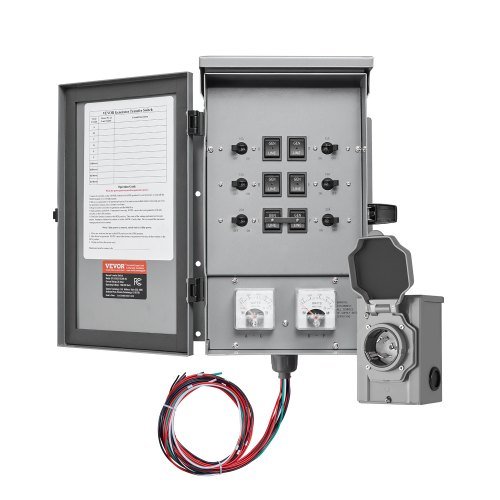
A transfer switchis a device that safely connects a power source to a building’s electrical system. It allows you to switch between utility power and a backup generator. The switch ensures no power from the generator flows back to the grid, protecting utility workers.
There are two main types of transfer switches:
- Manual transfer switchesrequire you to flip a switch yourself.
- Automatic transfer switchesswitch power sources on their own during an outage.
Transfer switches help control which appliances get power. They keep your home or business safe and powered during blackouts.
Types Of Transfer Switches
Transfer switches come in different types to manage power flow safely. Some can run multiple appliances, while others support only one at a time. Choosing the right switch depends on the number and size of devices you need to power.
Manual Transfer Switches
Manual transfer switchesneed a person to change power sources. They connect or disconnect power by hand. These switches are simple and cost less. They allow control over which appliances get power. Good for small homesor few devices. But, they need someone to be present to operate.
Automatic Transfer Switches
Automatic transfer switcheswork on their own. They detect power loss and switch to backup power. No need for human action. These switches keep important appliances running without delay. Ideal for critical devicesand bigger homes. They cost more but add convenience and safety.
How Transfer Switches Work
A transfer switchsafely connects a generator to your home’s electrical system. It stops power from both the generator and the main grid flowing at the same time. This prevents damageand keeps power stable.
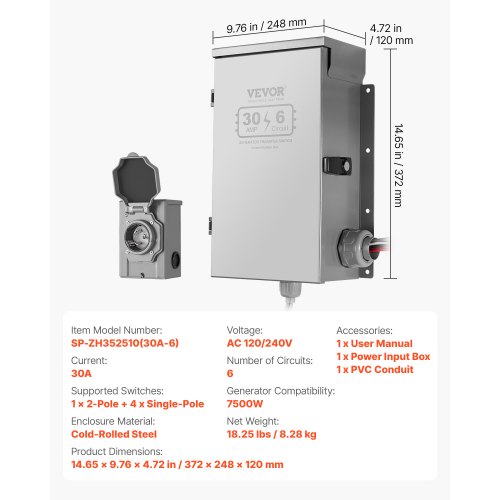
Transfer switches have multiple circuits. Each circuit can power one or more appliances. But the total power from the generator limits how many appliances can run together.
- Transfer switches switch power sources safely.
- They prevent backfeeding into the grid.
- Multiple circuits allow control over specific appliances.
- The generator’s power rating limits appliance use.
Credit: www.vevor.ca
Running Multiple Appliances
A transfer switch must handle the total powerof all connected appliances. Each device draws a specific amount of electricity. Adding them up helps find the required capacity. Choose a transfer switch with a rating higher than this sumto stay safe.
Managing loads helps use power wisely. It stops the switch from overloading. Use these tips:
- Run high-power appliancesone at a time.
- Use a load calculatorto check total watts.
- Prioritize essential devicesduring power transfer.
- Consider staggering appliance useto reduce peaks.
Choosing The Right Transfer Switch
Choosing the right transfer switch depends on the power needsof your appliances. Each appliance uses a different amount of electricity. Add these amounts to find the total power needed. This helps in picking a switch with enough capacity.
Switch ratings show the maximum loadthe switch can handle safely. Check the voltageand amperageratings on the switch label. Match these to your home’s electrical system and the total appliance load.
| Appliance | Power (Watts) |
|---|---|
| Refrigerator | 600 |
| Microwave | 1000 |
| Lights | 300 |
| Total Power Needed | 1900 Watts |
- Choose a switch rated for at least 20% more power than total.
- Check if the switch supports multiple circuits.
- Ensure the switch is compatible with your power source.
Installation Tips
Working with a transfer switch requires careful attentionto safety. Always turn off the main powerbefore installation. Use proper toolsand wear safety gearlike gloves and goggles. Check local electrical codesto ensure compliance.
Professional installation offers peace of mindand guarantees safety. Experts can handle complex wiringand prevent mistakesthat may cause damage or injury. DIY installation can save money but may increase risks if not done correctly.
- Use a voltage testerbefore touching wires.
- Label all circuitsto avoid confusion.
- Do not overload the switchwith too many appliances.
- Consult a licensed electricianif unsure.
Common Issues And Troubleshooting
Transfer switchesmay face issues when running multiple appliances at once. Overloading is common. It happens when total appliance power exceeds switch capacity. This can cause trips or damage.
Incorrect wiring may also cause problems. Loose or wrong connections lead to power interruptionsor switch failure. Regular checks help catch these errors early.
Appliance starting currents can be higher than running currents. This surge may trip the switch. Use a transfer switch rated for surge capacityto avoid this.
- Check the switch rating against total appliance load.
- Inspect wiring for tight, correct connections.
- Ensure appliances do not exceed switch power limits.
- Reset switch if it trips, then reduce load.

Credit: www.jetelectricalcontractors.com
Benefits Of Using A Transfer Switch
A transfer switch lets you safely power many appliances at once. It stops power overloads by controlling which devices get electricity. This keeps your home safe during power outages. You can switch between main power and backup power quickly. It helps avoid damage to your appliances from sudden power changes.
Using a transfer switch also makes your power use more organized. You won’t need many extension cords or plugs. It works with generators, so you have power even when the grid is down. This is important for keeping lights, refrigerators, and heaters running smoothly.
Frequently Asked Questions
Can A Transfer Switch Power Multiple Appliances Simultaneously?
Yes, a transfer switch can power multiple appliances if its capacity matches the total load. Always check the switch’s amperage rating and the combined wattage of connected devices to avoid overload and ensure safe operation.
What Size Transfer Switch Is Needed For Multiple Appliances?
The transfer switch size depends on the total wattage of all appliances combined. Calculate the sum of all devices’ power needs and select a switch with a slightly higher rating for safety and efficiency.
Does Running Multiple Appliances Affect Transfer Switch Performance?
Running multiple appliances within the switch’s rated capacity does not affect performance. However, overloading the switch can cause overheating, tripping, or damage, so always stay within the specified limits.
Can A Transfer Switch Handle High-power Appliances Together?
Transfer switches can handle high-power appliances if rated appropriately. For heavy-duty devices like air conditioners or heaters, use a switch designed for higher amperage and confirm your generator supports the load.
Conclusion
A transfer switch can power several appliances safely. It depends on the switch’s capacity and your home’s wiring. Choose a switch that matches your power needs. Always follow safety rules when installing or using one. This helps avoid overloads and damage.
A well-chosen transfer switch keeps your home running smoothly. Think about what appliances you want to run together. This planning makes your system efficient and reliable. Stay safe, and keep your power steady during outages.