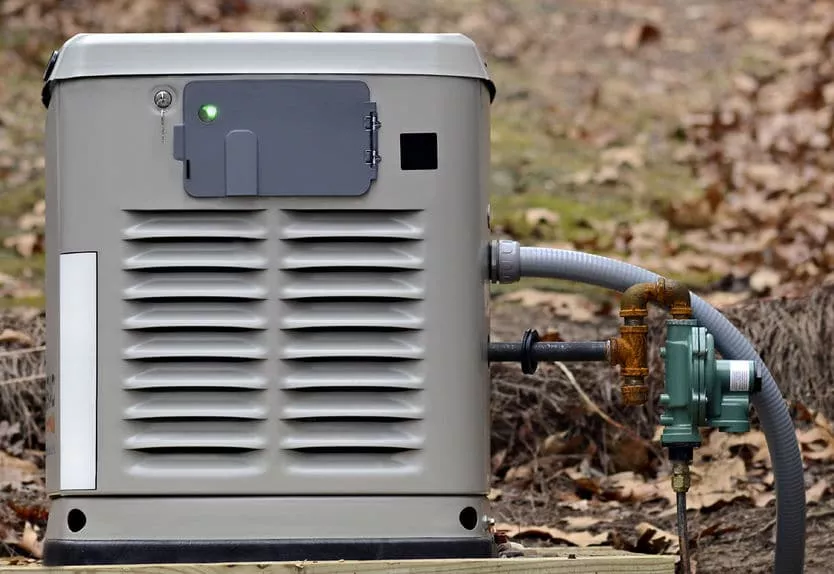
Are you thinking about adding a propane standby generator to your home or business? You might be wondering if an electrician can handle the installation or if you need a specialist.
This decision is important because a proper setup means your generator will work safely and efficiently when you need it most. You’ll discover who should install your propane standby generator, what skills are required, and how to make sure the job is done right.
Keep reading to get clear answers and avoid costly mistakes that could leave you in the dark.
Propane Standby Generators Basics
Propane standby generators use liquid propane gasas fuel. They start automatically during a power outage. A sensor detects the power loss and triggers the generator to run. This provides electricity until the main power returns.
Compared to gasoline or diesel, propane burns cleaner. It produces fewer pollutants and less engine wear. Propane also stores well for long periods without going bad. This makes it a reliable choice for standby power.
Other benefits include:
- Quieter operationthan diesel generators
- Lower emissionsfor better air quality
- Long shelf lifeof propane fuel
- Easy refuelingwith tanks or delivery service
Credit: shgeneratorset.com
Electrician’s Role In Generator Installation
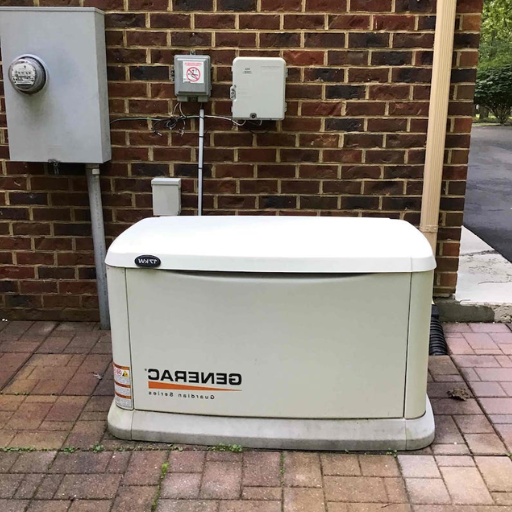
An electrician handles the electrical wiringfor a propane standby generator. This includes connecting the generator to the home’s main electrical panel. They install a transfer switchto safely switch power between the generator and the grid.
Typical tasks include:
- Running wires from the generator to the transfer switch
- Installing circuit breakers and safety devices
- Testing electrical connections for safety and function
- Ensuring all work meets local electrical codes
Limitations:
- Electricians do not handle propane gas connections
- Gas line installation must be done by a licensed plumber or gas technician
- Proper permits and inspections are needed for gas work
Propane System Installation Requirements
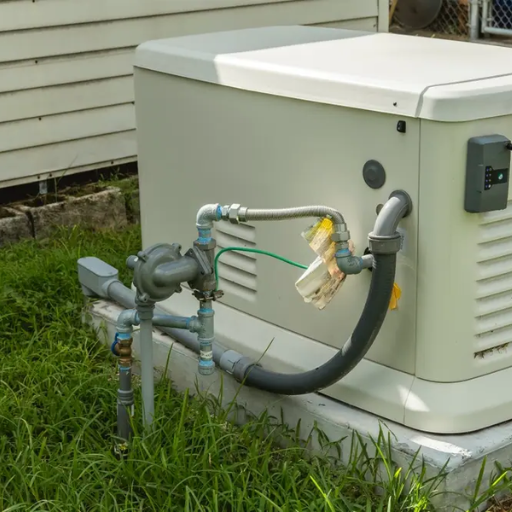
The fuel linemust be installed with care. It needs to be leak-free and properly sealed. Use approved materialsdesigned for propane gas. Pipes should be secured and protected from damage. The line must connect safely from the propane tank to the generator.
Follow local safety standardsand codes strictly. These rules help prevent gas leaks and fire hazards. All work should meet the National Fire Protection Association (NFPA) 58and local regulations. Proper permits may be required before starting the installation.
| Requirement | Description |
|---|---|
| Fuel Line Material | Use certified propane-rated pipes or tubing |
| Leak Testing | Conduct pressure tests to ensure no leaks |
| Permits | Obtain necessary permits from local authorities |
| Clearance | Maintain proper distance from buildings and ignition sources |
| Ventilation | Ensure good air flow around the generator area |
Licensing And Certification Needs
Electriciansmust have the right electrical licenseto install propane standby generators. This license shows they know how to handle electrical systems safely and follow local codes.
Working with propane needs special training. A propane handling certificationproves the installer can work with fuel safely. This certification helps avoid leaks, fires, or other risks.
| Requirement | Reason |
|---|---|
| Electrical Licensing | Ensures safe wiring and code compliance |
| Propane Handling Certification | Confirms safe fuel handling and installation |
Common Installation Challenges
Coordinating electrical and fuel workis a key challenge during propane standby generator installation. Electricians must work with propane specialists to ensure safe connections. The fuel lines and electrical wiring must be placed properly to avoid interference.
Clear communication between teams helps prevent delays and errors. Scheduling both tasks at the right time is important for smooth progress.
- Electric wiring should meet local codes.
- Fuel lines must follow safety regulations.
- Proper grounding reduces electrical risks.
- Correct fuel pressure is essential for operation.
Potential safety risks include gas leaks, electrical shocks, and fire hazards. Using proper tools and safety gear reduces dangers. Testing all systems before final use ensures safe operation.

Credit: newlondonelectric.com
When To Hire A Propane Specialist
Installing a propane standby generator often needs a specialistfor complex fuel systems. These systems include tanks, pipes, and regulators that must fit safelyand correctly. Mistakes can cause leaks or other dangers.
Code complianceis crucial. Propane systems must meet strict local and national rules. A propane expert knows these rules well and ensures the installation passes inspections. This helps avoid finesor forced repairs.
- Complex piping or tank setups require a propane specialist
- Proper connections prevent gas leaks and hazards
- Ensures installation follows all safety codes
- Helps with permits and inspections
Collaboration Between Electricians And Propane Experts
Electricianshandle the electrical setup of the propane standby generator. They connect the generator to the home’s electrical system safely and correctly. Propane expertsinstall and manage the fuel system. This includes the propane tank and gas lines.
Clear roles help avoid confusion. Electricians focus on wiring and circuit connections. Propane specialists ensure fuel delivery and safety standards are met.
Working together speeds up the installation process. Both teams communicate well to avoid mistakes. This teamwork ensures the generator works smoothly from day one.
Credit: shgeneratorset.com
Cost And Time Considerations
Labor costsdepend on the electrician’s experience and location. Installing a propane standby generator requires skill and safety checks. Expect charges for wiring, testing, and connecting the fuel line. Some electricians may also charge for a site visit or permit handling.
Average labor costs can range from $500 to $1500. Costs might increase if additional work is needed, like upgrading your electrical panel.
| Task | Estimated Time |
|---|---|
| Site Inspection | 1-2 hours |
| Installation of Generator | 4-8 hours |
| Electrical Connections | 2-4 hours |
| Testing and Safety Checks | 1-2 hours |
Most installations can finish within 1 to 2 days. Delays may happen if permits take time or extra work is required. Planning helps keep the project on schedule.
Frequently Asked Questions
Can An Electrician Install A Propane Standby Generator?
Yes, a licensed electrician can install a propane standby generator. They handle electrical connections and ensure safe integration with your home’s system.
What Qualifications Should An Electrician Have For Generator Installation?
Electricians should be licensed, experienced with standby generators, and knowledgeable about local electrical codes for safe installation.
Is Professional Installation Necessary For Propane Standby Generators?
Professional installation is crucial for safety, code compliance, and warranty protection. DIY installation can lead to hazards and system failure.
How Long Does An Electrician Take To Install A Generator?
Installation typically takes 4 to 8 hours, depending on the generator size and home electrical system complexity.
Conclusion
Choosing the right professional is crucial for generator installation. Electricians can handle the electrical components. Propane experts manage the fuel aspects. Both skills are essential for safe installation. Hiring both ensures the job is done correctly. Safety and efficiency should always be the top priorities.
Proper installation prevents future issues. Trust qualified professionals for peace of mind. They have the expertise needed for complex tasks. Make informed decisions for your home’s safety. Enjoy reliable power during outages. Your home deserves the best care. Stay safe and well-prepared.