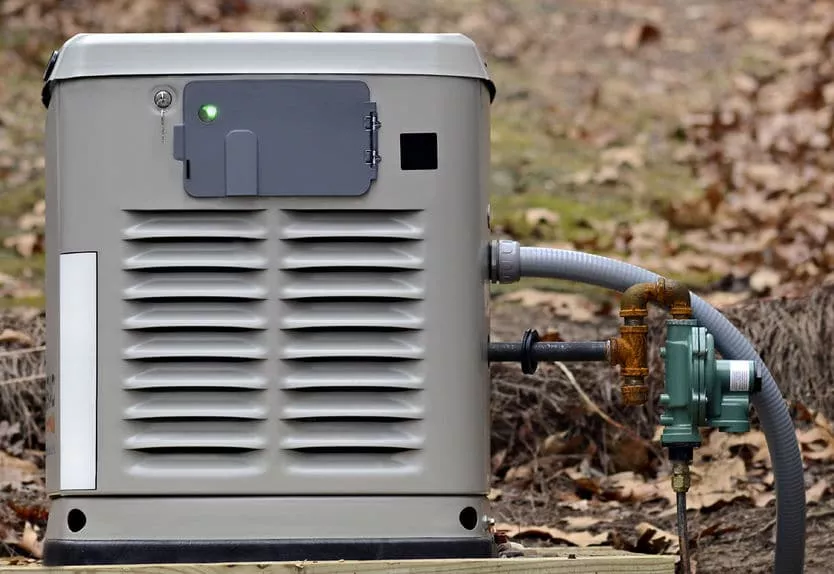
Have you ever been caught in a power outage, anxiously waiting for the lights to flicker back on? It’s a situation nobody wants to be in, especially when you have important tasks at hand.
That’s where a standby generator comes in, offering a reliable backup when the grid lets you down. But here’s a crucial question: can an electrician install a standby generator for you? Before you jump to conclusions or make a hasty decision, it’s vital to understand the ins and outs of this process.
Whether you’re trying to keep your home running smoothly or ensure your business operations never skip a beat, knowing who can handle the installation is key. Dive deeper into this topic, and discover how the right professional can make all the difference in keeping your world powered up.
Role Of An Electrician In Generator Installation
Electricians must have proper licensing and certificationto install standby generators. This ensures they follow local laws and codes. Certified electricians know the right ways to handle electric systems.
They use their electrical wiring expertiseto connect the generator safely to your home or business power system. Proper wiring prevents damage and electrical hazards. It also ensures the generator works well when needed.
Safety is very important. Electricians must follow safety standards compliancerules. These rules keep people and property safe from shocks, fires, and other risks. They check all parts and test the system to make sure it is safe.

Credit: www.angi.com
Types Of Standby Generators
Portable generatorsare small and easy to move. They provide power for short times and are less costly. Standby generatorsare fixed outside homes or buildings. They turn on automatically during power cuts and supply power to the whole house.
Fuel types include gasoline, diesel, natural gas, and propane. Each fuel has benefits and limits. Natural gas and propane are cleaner and often used for standby generators. Gasoline is common for portable units but stores poorly.
| Power Capacity | Portable Generators | Standby Generators |
|---|---|---|
| Typical Range | 1,000 to 10,000 watts | 5,000 to 20,000+ watts |
| Use | Small appliances, tools | Whole home or large loads |
| Run Time | Limited by fuel tank size | Runs as long as fuel is supplied |
Preparation Before Installation
A site assessmentchecks the best place for the generator. It looks at space, noise, and safety. The site must allow easy access for repairs and fuel delivery.
Permits and regulationsare important. Local rules may need approval before installation. Electricians must know these laws to avoid fines or delays.
| Equipment Requirements | Details |
|---|---|
| Generator size | Matches home power needs |
| Transfer switch | Switches power source safely |
| Fuel supply | Proper connection and storage |
| Cabling and wiring | Meets safety and code standards |
Installation Process Steps
Mounting the generatorrequires choosing a solid, level surface. The spot must allow easy access for maintenance and fuel supply. The generator should be secured to prevent movement during operation.
Connecting electrical componentsinvolves linking the generator to the home’s power system. All wires must be correctly matched and insulated. Proper grounding is essential for safety and function.
Installing the transfer switchis critical. It safely switches power from the grid to the generator during outages. The switch must be compatible with the home’s electrical panel and properly wired.
Testing and commissioningensure the generator works well. This includes running the generator under load and checking all connections. Any issues found must be fixed before regular use.
Common Challenges And Solutions
Complex wiringcan confuse many electricians. Standby generators need careful connection to your home’s electrical panel. Mistakes in wiring may cause power issues or damage. Using clear diagramsand following the generator manual helps avoid errors.
Proper ventilationis crucial for safety. Generators produce fumes that must escape. Placing the generator in a well-ventilated area prevents dangerous gas buildup. Many electricians check local rules to find the best location for airflow.
| Local Code Restrictions | How Electricians Handle Them |
|---|---|
| Permit Requirements | Obtain necessary permits before starting work |
| Noise Limits | Choose generators with noise control features |
| Installation Location Rules | Install only in approved areas, following guidelines |

Credit: www.sunshineservices.com
Maintenance Tips For Standby Generators
Regular inspections help keep your standby generatorrunning smoothly. Check for any visible damageor leaks. Clean the area around the generator to avoid dirt build-up.
Battery and fuel checks are key for reliable starts. Test the battery voltageand clean the terminals. Ensure the fuel is fresh and the tank is full. Old fuel can cause starting problems.
- Have a professional serviceyour generator yearly.
- They check engine oil, filters, and spark plugs.
- They also test the transfer switch and control panel.
- Professional help keeps the generator safeand efficient.
When To Hire A Specialist
Complex installationsneed an expert’s skill and knowledge. A standby generator often involves connecting to your home’s main electrical panel. It requires exact wiring to meet safety rules. Mistakes can cause serious damage or danger. A specialist knows how to handle these parts safely and correctly.
Troubleshooting issues can be tricky. Generators may not start or supply power correctly. An electrician can quickly find and fix problems, saving time and money. They use tools and experience to diagnose faults that are hard to spot.
Upgrades and repairs are best done by a pro. Newer models might need different setups. Repairs require correct parts and skillsto work well. Hiring a specialist ensures the generator runs smoothly and lasts longer.
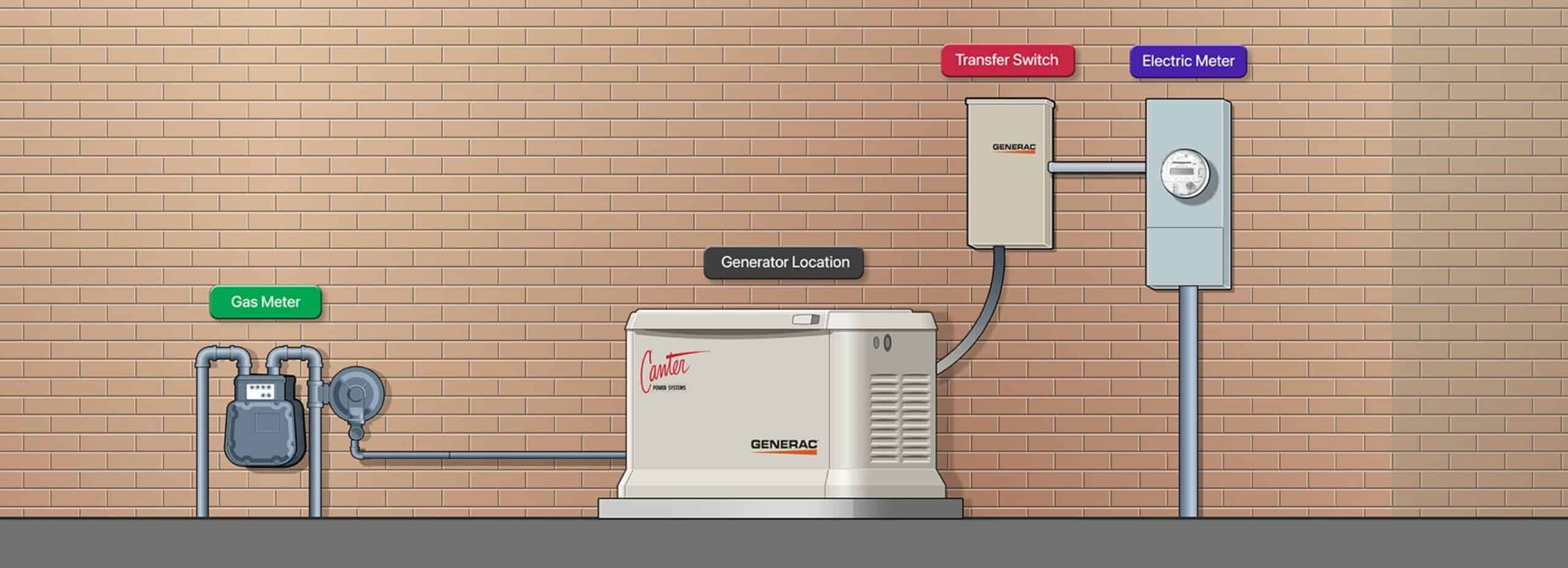
Credit: canterpowersystems.com
Frequently Asked Questions
Can A Licensed Electrician Install A Standby Generator?
Yes, a licensed electrician can install a standby generator. They ensure safe wiring, proper connections, and compliance with codes. Electricians handle electrical panels, transfer switches, and grounding, making them essential for installation.
What Qualifications Should An Electrician Have For Generator Installation?
An electrician should hold a valid license and have experience with standby generators. Knowledge of local electrical codes and safety standards is crucial. Certification in generator installation or transfer switch wiring is highly recommended.
How Long Does Electrician Installation Of A Standby Generator Take?
Installation typically takes one to two days, depending on the generator size and complexity. Electricians perform site evaluation, wiring, and testing during this time. Proper installation ensures the generator operates safely and efficiently.
Do Electricians Handle Permits For Standby Generator Installation?
Yes, electricians often handle permit applications and inspections for standby generator installation. They ensure all work meets local regulations and electrical codes. This process helps avoid legal issues and ensures a safe installation.
Conclusion
An electrician can safely install a standby generator. They have the skills to connect it to your home’s electrical system. This ensures power flows smoothly during outages. Choosing a licensed professional reduces risks and meets local codes. Proper installation keeps your family safe and comfortable.
Don’t attempt this job without expert help. Trust experts to handle the technical work. Enjoy peace of mind with reliable backup power. Your home stays powered when you need it most.