
Imagine this: a storm knocks out your power, and you’re left in the dark. You think about installing a standby generator to keep your home running smoothly during outages.
But then you wonder—can your Homeowners Association (HOA) throw a wrench in your plans? This is a common concern for many homeowners like you. The rules and regulations of HOAs can be complex and daunting, often leaving you with more questions than answers.
If you’ve ever found yourself in this situation, you’re not alone. You’ll discover the ins and outs of HOA guidelines regarding standby generators, and whether they have the authority to deny your request. Prepare to empower yourself with the knowledge you need to navigate this common homeowner dilemma. Don’t let uncertainty keep you in the dark—read on to light up your understanding.
Credit: www.lumelect.com
Hoa Rules On Standby Generators
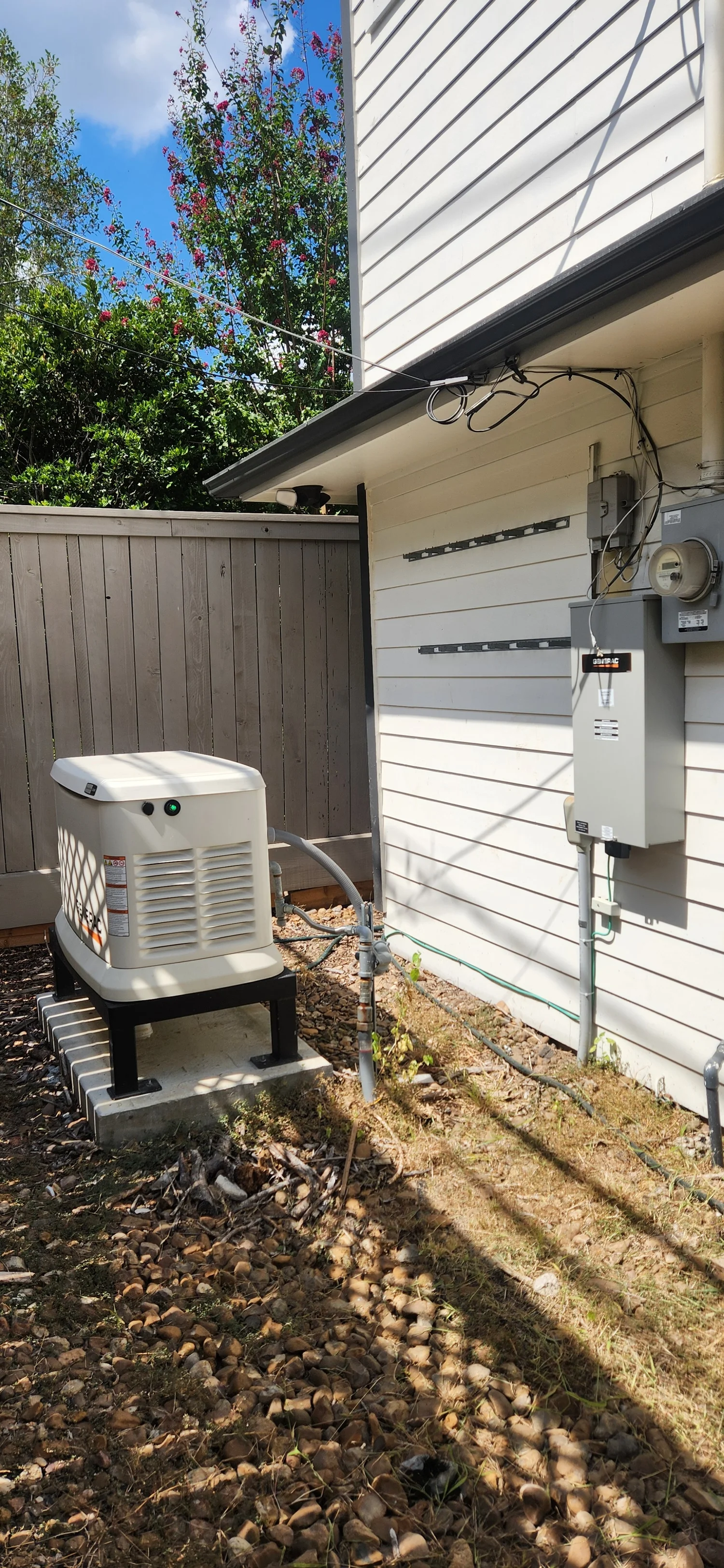
Many HOA rulescontrol the use of standby generators. These rules help keep the neighborhood safeand pleasant. Common restrictions include limits on noise levels, generator size, and placementon the property. Some HOAs require approvalbefore installation.
Reasons for denial often involve concerns about noise, appearance, and property value. HOAs may also deny if the generator blocks views or affects common areas. Safety worries, such as fire hazards, can lead to rejection.
Legal Rights Of Homeowners
Homeowners may face restrictions from an HOA when installing a standby generator. Rules often depend on community guidelines and local laws. Understanding these rights helps in negotiating approval or challenging denials effectively.
State And Local Laws
State and local lawsoften guide what homeowners associations (HOAs) can control. Many states allow HOAs to set rules about home appearance and safety. These rules might cover the use of standby generators. But these laws differ by location. Some states limit HOA powerto deny generators that provide safety and power during outages. Always check your specific state laws for clear information.
Federal Protections
The federal governmentoffers protections in some cases. The Americans with Disabilities Act (ADA)may require HOAs to allow generators if they help a disabled person. Also, federal rules can protect against unfair discrimination. HOAs cannot deny generators just to make it hard for certain people. These laws ensure fairness for everyone in the community.
Steps To Take If Denied
Begin by carefully reading your HOA covenants. These rules explain what is allowed and what is not. Look for any mention of generators or exterior modifications. Understanding these rules helps you know if the denial is valid.
Request a hearing with your HOA board to discuss the denial. Present your case calmly and clearly. Share any benefits of a standby generator, like safety and power reliability. This meeting gives you a chance to explain your needs and ask questions.
Seek legal advice if the HOA still denies your request unfairly. A lawyer can review your HOA rules and local laws. They may help you find ways to appeal the decisionor negotiate a compromise. Legal help ensures your rights are protected.
Balancing Hoa Authority And Homeowner Needs
HOAs have the powerto approve or deny standby generators. Their main job is to keep the neighborhood safe and neat. They worry about noisefrom generators. Loud machines can disturb neighbors. Environmental effectsare a concern too. Some generators use fuel that can pollute air or soil.
HOAs also want to keep the look of the neighborhood clean and uniform. Big, visible generators may not fit the style. Rules often cover size, placement, and noise limits. Homeowners must follow these rules to get approval.
- Noise limits protect neighbors’ quiet.
- Placement rules keep yards tidy.
- Fuel type may be restricted for safety.
- HOA may require soundproof covers.
Balancing homeowner needswith community rules is key. Safety and beauty come first in HOA decisions.
Alternatives To Standby Generators
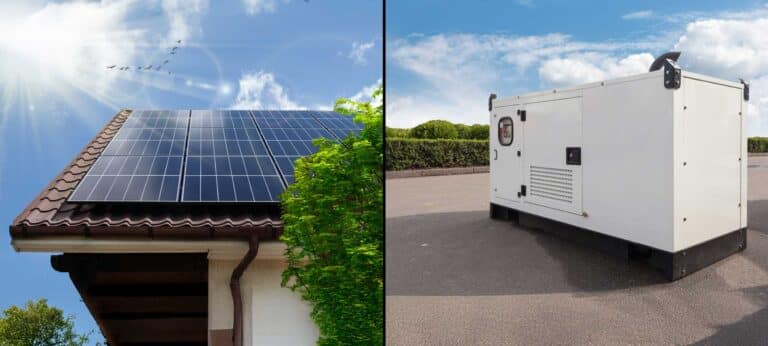
Portable generatorsoffer a flexible power source during outages. They are easy to moveand use fuel like gas or propane. These generators do not require permanent installation, which may help avoid HOA restrictions. They provide power to specific appliances but need to be operated outside to avoid carbon monoxide risks. Noise levels can vary, so check your HOA rules on noise limits.
Solar power solutionsuse sunlight to create electricity. Solar panels can be placed on roofs or in yards. This option is quiet, clean, and does not produce fumes. Battery storage systems can save power for use at night or during outages. Many HOAs allow solar panels, but it is wise to check guidelines before installation.
Credit: www.arielicustomhomes.com

Credit: www.achrnews.com
Frequently Asked Questions
Can An Hoa Legally Deny A Standby Generator Installation?
Yes, an HOA can legally deny a standby generator if it violates community rules or architectural guidelines. Homeowners should review HOA covenants and seek approval before installation.
What Reasons Do Hoas Give For Denying Generators?
Common reasons include aesthetic concerns, noise restrictions, and property value impact. HOAs prioritize community uniformity and may limit visible or noisy equipment.
How Can Homeowners Appeal An Hoa’s Denial?
Homeowners can request a review, provide additional information, or propose compromises. Mediation or legal advice may help resolve disputes with the HOA.
Are There Hoa Rules That Protect Generator Installation Rights?
Some states have laws limiting HOA power to deny essential utility installations like generators. Check local regulations for specific homeowner protections.
Conclusion
Homeowners associations often have rules about standby generators. These rules aim to keep the neighborhood safe and neat. They may allow or deny a generator based on noise, size, or placement. Always check your HOA guidelines before installing one. Talking with the HOA can help avoid problems.
Understanding their rules saves time and stress. Standby generators can be useful but must follow community rules. Stay informed and respectful to keep good relations with neighbors and the HOA.