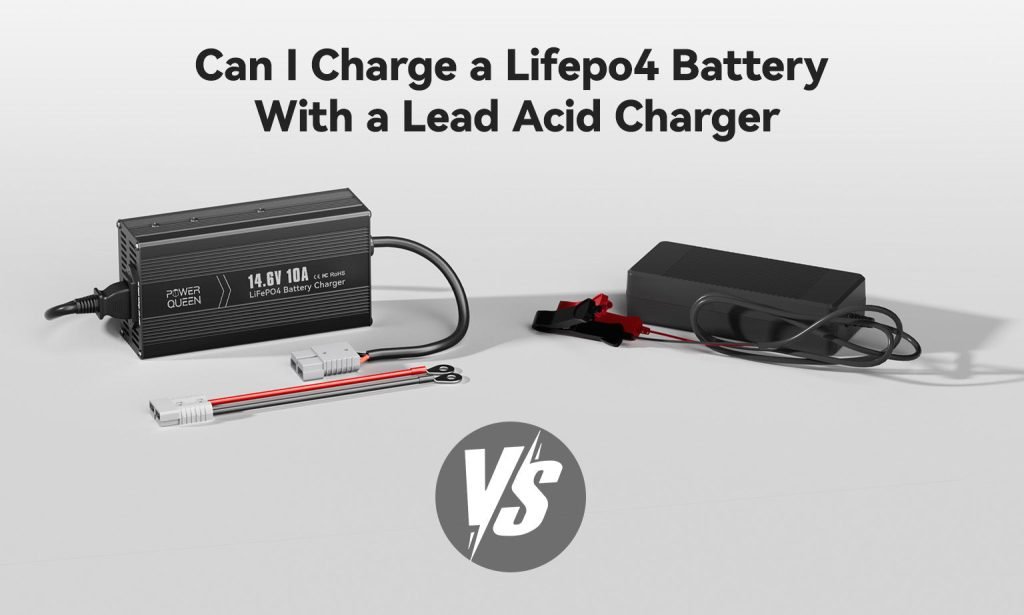
Have you ever wondered if your battery charger could overcharge your generator battery? It’s a common concern, especially if you’ve invested in a reliable generator to keep the lights on during unexpected outages.
You might think that leaving your battery connected to the charger for extended periods is harmless, but the truth is, it could be more damaging than you realize. Overcharging can lead to reduced battery lifespan, costly replacements, and even safety hazards.
You’ll discover the signs of overcharging, how to prevent it, and the best practices to keep your generator battery in top shape. Keep reading to protect your investment and ensure your generator is always ready when you need it most.
How Battery Chargers Work
A battery charger sends electric current to a battery to fill it with energy. The charger controls the flow of electricity to avoid damage. During the basic charging process, current enters the battery and causes chemical changes inside. These changes store energy for later use. The charger stops or lowers current when the battery is full. This helps prevent overcharging, which can harm the battery.
There are different types of battery chargers. Each works in a simple way to charge batteries safely:
- Trickle chargersprovide a small, steady current over a long time.
- Fast chargerssupply a higher current to charge batteries quickly.
- Smart chargersuse sensors to adjust the charging based on battery needs.
Choosing the right charger helps protect the battery and extend its life.
Generator Battery Basics
Generators use different battery typesto start and run. The common ones are lead-acidand lithium-ionbatteries. Lead-acid batteries are heavy but reliable. Lithium-ion batteries are lighter and last longer but cost more.
Battery capacityis how much power a battery can hold. It is measured in amp-hours (Ah). A higher capacity means the battery can run the generator longer without recharging.
Battery lifespandepends on usage and care. Overcharging or undercharging can make the battery wear out faster. Proper charging helps keep the battery healthy for many years.
Causes Of Overcharging
Charger malfunctionscan cause the generator battery to overcharge. Faulty components inside the charger may fail to regulate voltage properly. This leads to excessive current flowing into the battery, damaging it over time.
Incorrect charger settingsalso cause overcharging. Setting the charger to a higher voltage than the battery requires can force too much power inside. This stresses the battery and reduces its lifespan.
Lack of automatic cutoffis a common problem. Chargers without this feature keep sending power even after the battery is full. Continuous charging raises the battery temperature, which may cause swelling or leaks.
- Charger parts may wear out or break
- Wrong voltage or current settings harm the battery
- No stop signal means charging never ends
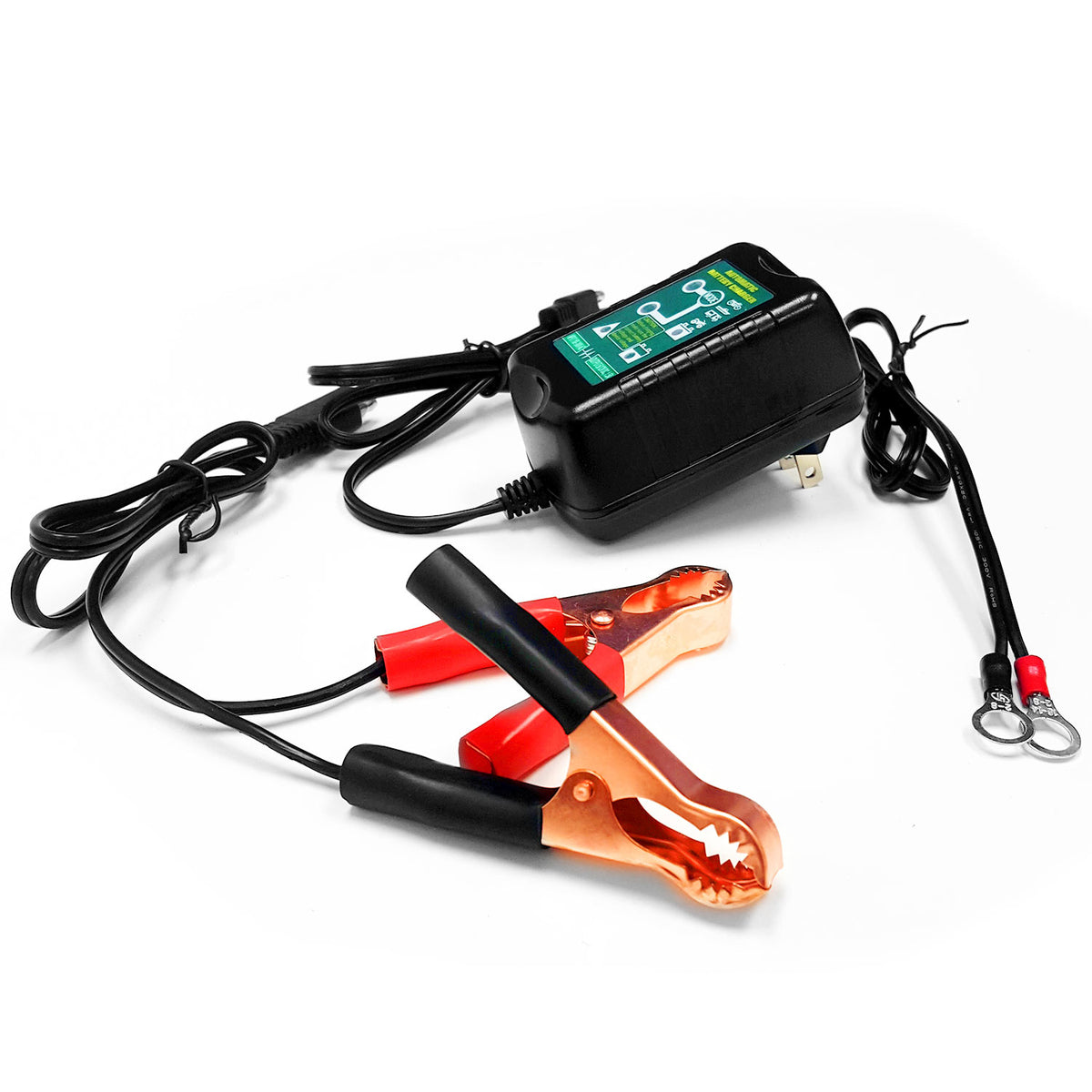
Credit: kapscomoto.com
Risks Of Overcharging
Overcharging a generator batterycan cause serious problems. The battery may become damagedand its life spancan shorten. Excessive charging causes the battery to overheatand lose electrolyte. This leads to poor battery performanceand the need for early replacement.
There are also safety risks. Overcharging may cause the battery to leak acidor even explode. This can harm people and damage nearby equipment.
The generator itself may not work well. A bad battery can cause starting issuesand unstable power output. This reduces the generator’s reliabilityduring use.
Preventing Overcharge
Smart chargersstop charging automatically when the battery is full. They help prevent overchargingand protect the battery from damage. These chargers adjust the power flow based on the battery’s needs.
Regular battery maintenance keeps the battery healthy. Check the battery for corrosionand clean the terminals. Keep the battery dry and secure it tightly to avoid vibrations.
Monitoring the charging process is important. Watch the battery voltage and temperature. Stop charging if the battery feels hotor swollen. Using a voltmeter can help track the charge level.
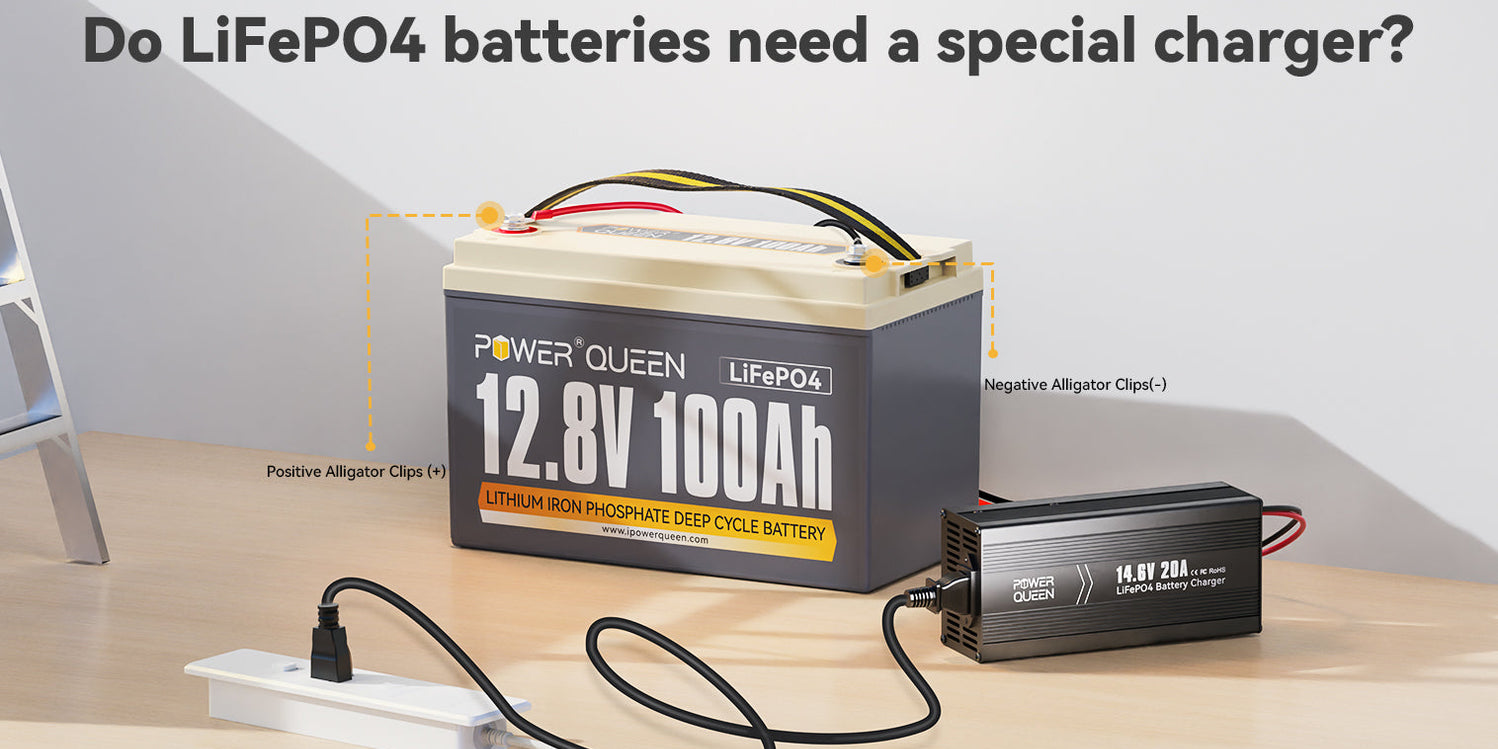
Credit: ca.ipowerqueen.com
Signs Of Overcharged Battery
Swelling or leakageis a clear sign of battery overcharge. The battery case may bulge or crack due to excess pressure inside. Leakage of acid or fluid can damage nearby parts and is dangerous to touch.
Unusual heat or smellcan signal trouble. An overcharged battery often gets hot, even when not in use. A sharp, chemical smell may come from the battery, indicating damage inside.
Reduced battery efficiencymeans the battery holds less power or drains quickly. Overcharging can shorten battery life and lower its ability to start the generator. Watch for slow starts or frequent power loss.
Steps To Take After Overcharging
Turn off the charger immediately to avoid more damage. Remove the battery from the generator carefully. Make sure the area is well-ventilated to avoid harmful gas buildup. Avoid sparks or flames near the battery.
Look for signs of damage like swelling, leaks, or cracks on the battery. Check if the battery holds charge or not. Replace the battery if it shows any damage or does not work well. A damaged battery can be dangerous and should not be used.
Ask a professional to inspect the battery and charging system. They can test if the battery or charger is faulty. A professional can guide on safe battery use and replacement. Do not try to fix electrical parts without help.
Credit: www.diychatroom.com
Frequently Asked Questions
Can A Battery Charger Overcharge A Generator Battery?
Yes, a battery charger can overcharge a generator battery if it lacks an automatic shutoff or voltage regulation. Overcharging causes battery damage, reduces lifespan, and may lead to overheating or leakage.
How To Prevent Overcharging A Generator Battery?
Use a smart charger with automatic voltage control. Regularly monitor the battery’s voltage and avoid charging it beyond recommended levels to prevent overcharging.
What Are Signs Of An Overcharged Generator Battery?
Signs include swelling, overheating, leaking acid, and reduced battery performance. These symptoms indicate the battery needs immediate attention to avoid permanent damage.
Does Overcharging Affect Generator Battery Life?
Yes, overcharging significantly shortens battery life by causing internal damage and reducing its ability to hold a charge effectively.
Conclusion
Battery chargers can overcharge generator batteries if not used properly. Overcharging can damage the battery and reduce its life. Always use a charger made for your specific battery type. Check the charger settings and avoid leaving it connected too long.
Regularly inspect your battery for signs of overcharging, like swelling or overheating. Taking these steps helps keep your generator battery healthy and working well. Safe charging means your generator will be ready when you need it most. Simple care goes a long way in protecting your investment.