Imagine waking up to the sound of birds chirping, surrounded by nature, with no buzzing city noise or electricity bills. Off-grid living offers this idyllic lifestyle, but it also raises an important question: how do you power your home?
If you’re exploring the path to self-sufficiency, you might be wondering if diesel generators are a viable option for your off-grid needs. You’re not alone. Many people like you are curious about this powerful yet often misunderstood energy source. We’ll delve into the practicality, efficiency, and potential drawbacks of using diesel generators for off-grid living.
Stay with us as we unveil insights that could transform your off-grid adventure into a sustainable reality.
Benefits Of Diesel Generators
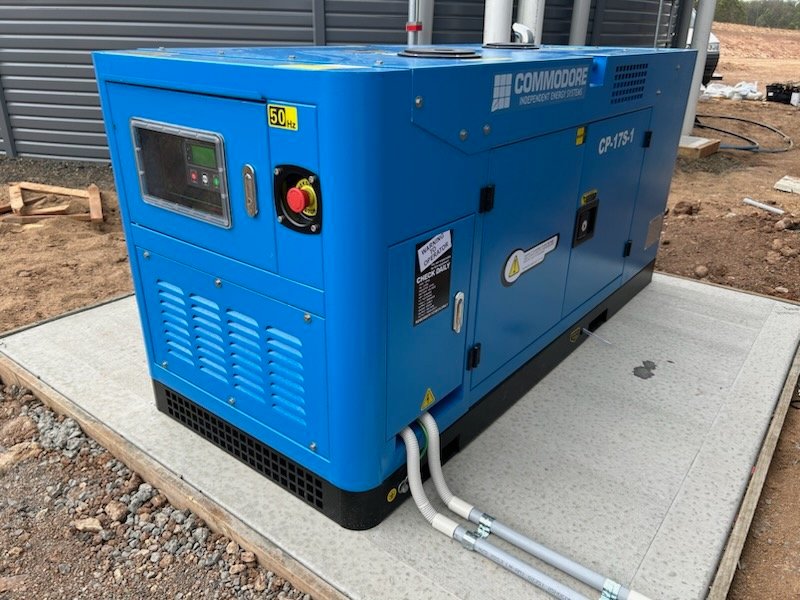
Diesel generators offer a steady power supply. They work even in tough weather. This makes them perfect for off grid living. Many people trust them for emergency power.
These generators use less fuelcompared to others. This means they can run longer without refueling. Diesel is also readily availableand affordable. This makes it easy to keep the generator running.
Diesel generators are durableand last many years. They have strong engines that need little care. With good maintenance, they work for a long time. This makes them a wise investmentfor those living off the grid.
Challenges Of Using Diesel Generators
Living off-grid with diesel generators presents challenges. Noise and pollution affect the environment and can disturb peace. Fuel costs rise unpredictably, impacting budgets.
Environmental Impact
Diesel generators release harmful gases. These gases contribute to air pollution. The emissions can hurt plants and animals. They also affect human health. Diesel fuel is not renewable. This makes it less eco-friendly. Using these generators can lead to soil contamination.
Noise Pollution
Diesel generators can be very noisy. The sound can disturb sleep. It can also cause stress for people. Animals may be scared by the noise. This affects wildlife behavior. The noise can make outdoor activities less enjoyable. It is important to manage the noise levels.
Maintenance Requirements
Diesel generators need regular maintenance. Parts can wear out quickly. Filters need to be cleaned often. Oil levels must be checked regularly. Skilled workers are needed for repairs. This can be costly. Proper care is essential for safe use.
Comparing Diesel Generators To Other Power Sources
Solar power uses the sun’s rays to make electricity. It is clean and does not make smoke. Solar panels need sunlight to work. At night, they do not make power. Batteries store the sun’s energy for later use. Solar systems can be expensive to set up. They save money over time.
Wind energy comes from big fans called turbines. These turbines spin when the wind blows. Wind energy is clean like solar power. It needs a windy place to work well. No wind means no power. Setting up wind turbines can cost a lot. They can last many years.
Hydroelectric power uses water to make electricity. Water flows through turbines to make power. These systems need a lot of water. They work best near rivers or dams. Building them costs a lot of money. They provide steady power for a long time. They are a clean energy source.

Credit: bcdieselgenerators.com
Choosing The Right Diesel Generator
Generators have different power outputs. Check your energy needs first. A small generator won’t power a big house. Bigger generators can run more devices at once. Be sure your generator matches your needs. Capacity is how long it can run. Longer capacity is better for long outages.
Diesel is common for generators. It’s easy to find in many places. Diesel generators are more efficient than gas ones. They last longer too. Always check the fuel availability in your area. You don’t want to run out during a storm.
Diesel generators can be costly at first. But they save money over time. Maintenance costs are low. They use less fuel than other types. Think about long-term savings when buying. A good generator is an investment. It brings peace of mind.
Integrating Diesel Generators With Off-grid Systems
Diesel generators can power off-grid living by providing reliable energy. They are effective during power shortages. Their integration ensures a steady power supply for remote areas, enhancing energy independence.
Battery Storage Options
Diesel generators can charge batteries. Batteries store energy for later use. Lithium-ion batteries are popular choices. They store more energy and last longer. Lead-acid batteries are cheaper but heavier. Choose wisely based on needs and budget.
Hybrid Systems
A hybrid system combines diesel generators with solar panels. Solar panels create power during the day. Diesel generators work at night or when the sun is not shining. This combination ensures continuous power supply. It is efficient and saves fuel.
Energy Management Strategies
Manage energy wisely to save resources. Use energy-efficient appliances. Switch off devices when not in use. Monitor energy usage regularly. Smart controllers can help track power consumption. This helps in adjusting generator use efficiently.

Credit: www.boomandbucket.com
Future Of Diesel Generators In Off-grid Living
Diesel generators are becoming smarter. New models are equipped with sensors. These sensors help monitor fuel levels. They also track power output. Some even adjust their performance automatically. This makes them efficient and reliable. Remote monitoring is now possible. Users can check generator status from afar. This saves time and effort.
Diesel generators are adapting to green trends. Manufacturers are using cleaner fuels. New designs produce less pollution. Some generators can use biofuels. This reduces the carbon footprint. Energy efficiency is a key focus. This helps in conserving resources. It also lowers running costs.
Governments are setting new rules. These rules affect diesel generators. Emission standards are stricter now. Manufacturers must comply with these standards. This ensures safer and cleaner operation. Generators need regular inspections. Compliance is crucial for continued use.

Credit: www.jackery.com
Frequently Asked Questions
What Is A Downside Of Using Diesel Generators?
Diesel generators produce harmful emissions, contributing to air pollution and climate change. They can be noisy, causing disturbances. Fuel costs are high, leading to increased operational expenses. Regular maintenance is necessary to ensure efficiency, which can be time-consuming. These factors make diesel generators less environmentally friendly and more expensive over time.
What Size Generator Do I Need To Live Off Grid?
To live off-grid, calculate your total wattage needs, then choose a generator slightly above that. Typically, a 5,000 to 7,000-watt generator suffices for basic needs. Consider energy-efficient appliances to reduce power requirements. Always consult a professional to match your specific energy demands.
How Long Can A Diesel Generator Power A House?
A diesel generator can power a house for 8 to 24 hours, depending on fuel capacity and load. Regular maintenance ensures efficient operation. Calculate power needs and fuel consumption for precise runtime. Consider professional advice for optimal generator usage.
Which Is Better, A Solar Or Diesel Generator?
Solar generators are eco-friendly and cost-effective long-term. Diesel generators offer reliability and power but are less sustainable. Choose based on your energy needs, budget, and environmental priorities.
Conclusion
Diesel generators can support off-grid living effectively. They provide reliable power. You can trust them in remote areas. Their fuel efficiency is commendable. Maintenance is straightforward, though regular checks are essential. Consider noise levels when choosing a location. Remember, they emit fumes, so ventilation is crucial.
Weigh the pros and cons carefully. Solar and wind alternatives might suit some better. Assess your power needs first. Each option has its unique benefits. Make informed decisions for a sustainable lifestyle. Choose what aligns with your goals. Off-grid living offers freedom and self-reliance.
Enjoy the journey towards independence!