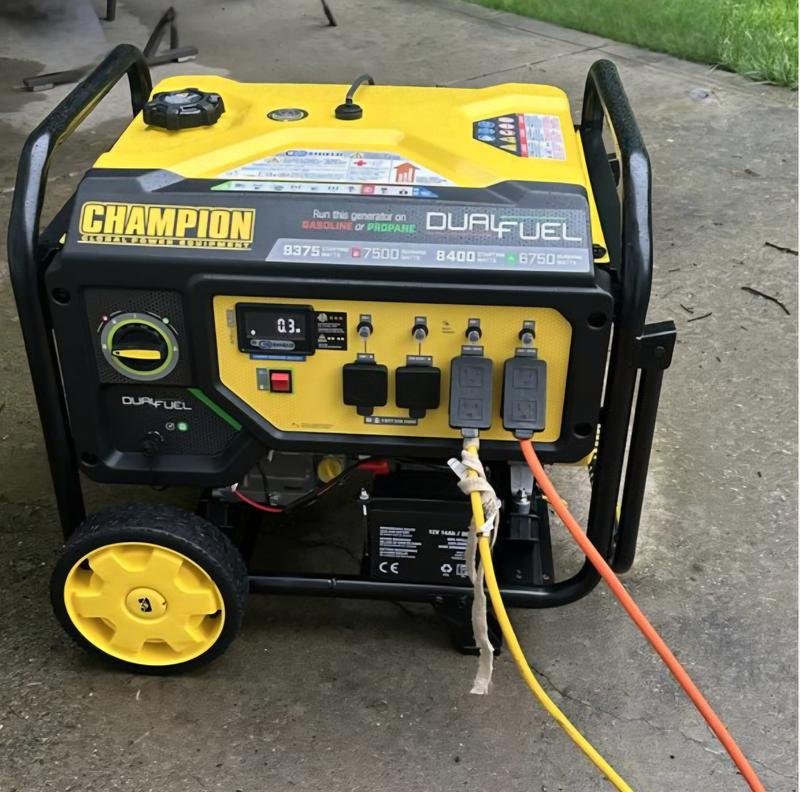
Are you exploring options to make your power backup more versatile and eco-friendly? If you’re considering a dual fuel generator, you’re on the right track.
These versatile machines offer flexibility like no other, allowing you to switch between different fuel sources. But here’s a question you might have: can dual fuel generators run on ethanol? Understanding fuel compatibility is crucial for making informed decisions about your generator.
It can impact everything from performance to cost-efficiency and even environmental impact. Stick around as we uncover the truth about ethanol and dual fuel generators, helping you make the most out of your investment.
Dual Fuel Generators Explained
Dual fuel generators can run on both gasoline and propane, but ethanol is not typically compatible. Ethanol can cause engine issues and damage over time. It’s best to consult the manufacturer’s guidelines for fuel recommendations.
How Dual Fuel Generators Work
Dual fuel generators use two types of fuel. This allows flexibility in fuel choice. They usually run on gas and propane. A switch allows easy change of fuel. This helps during fuel shortages. Gas is quick to burn, providing immediate power. Propane burns slower, offering longer power. Using two fuels can save money. It also ensures the generator works when fuel is scarce.
Common Fuel Types Used
- Gasoline: Most common and easy to find.
- Propane: Cleaner and lasts longer.
- Natural Gas: Needs a connection to a gas line.
Ethanol As A Fuel Source
Dual fuel generators can run on ethanol, offering an eco-friendly option. Ethanol burns cleaner than gasoline, reducing emissions. Its renewable nature makes it a sustainable choice for energy needs.
What Is Ethanol
Ethanol is a type of alcoholused as fuel. It is made from plantslike corn and sugarcane. Ethanol is mixed with gasoline for vehicles. It is less harmful to the environmentthan regular gasoline. Ethanol can be used in dual fuel generatorswith modifications.
Benefits Of Ethanol
- Made from renewable resourceslike plants.
- Produces less pollutionthan gasoline.
- Helps reduce greenhouse gases.
- Supports local agriculture.
Challenges Of Using Ethanol
Ethanol can be costlyto produce. It needs special enginesor modifications. Ethanol may damagesome engine parts. It is not as energy-richas gasoline. Using ethanol requires careful handlingand storage.
Compatibility With Dual Fuel Generators
Dual fuel generators run on two types of fuel. Ethanol can be an option, but some changes are needed. Carburetors may need an upgrade. Ethanol can be tough on parts. Gaskets and seals should be checked. Ethanol can cause them to wear out. Fuel lines might need replacing. Ethanol can damage them over time.
Ethanol can change how a generator works. It can burn faster than gasoline. This may affect fuel efficiency. Generators might need more fuel. Ethanol can make engines run hotter. This can affect the engine’s life. Power output can be slightly less. Ethanol has less energy than gasoline. Users may notice a small drop in power.
Environmental Impact
Dual fuel generators running on ethanol can reduce harmful emissions. Ethanol, a cleaner fuel, decreases carbon footprint. Using it contributes to a more sustainable environment.
Reducing Carbon Footprint
Dual fuel generatorscan use ethanol to cut emissions. Ethanol burns cleaner than gasoline, which helps the environment. Using ethanol reduces greenhouse gases. This helps slow climate change. Ethanol is made from plants. Plants absorb carbon dioxide. This process is renewable and sustainable. Less carbon in the air means cleaner air to breathe.
Ethanol’s Renewable Nature
Ethanol is made from crops like corn and sugarcane. These crops grow fast and are easy to harvest. Ethanol is a renewable energysource. This means it doesn’t run out like fossil fuels. Using ethanol helps save the planet’s resources. Crops can be replanted each year. Ethanol production supports local farmers. It also boosts the economy by creating jobs. Choosing ethanol helps protect the earth for future generations.
Economic Considerations
Exploring dual fuel generators’ compatibility with ethanol reveals potential economic benefits. Ethanol, often cheaper than traditional fuels, can reduce operational costs. This flexibility may appeal to budget-conscious consumers seeking efficient energy solutions.
Cost Of Ethanol Vs. Traditional Fuels
Ethanol can be cheaper than traditional fuels. Prices change with supply and demand. Traditional fuels like gasoline might cost more. Ethanol is often made from corn or sugarcane. These are renewable sources. This can help lower costs over time.
Long-term Savings And Investments
Using ethanol may save money in the long run. Ethanol can reduce engine wear. This means fewer repairs and maintenance. Investing in a dual fuel generator might cost more upfront. But it can lead to savings over time. Ethanol can also be better for the environment. This can be an important factor for many people.

Credit: firmanpowerequipment.com
Safety And Storage
Dual fuel generators can run on ethanol with proper safety measures. Ethanol storage requires cool, dry conditions to prevent degradation. Regular checks ensure safe and efficient performance.
Ethanol Storage Concerns
Ethanolneeds special care. It can absorb water quickly. This may cause problems. Store ethanol in a cool, dark place. Use airtight containers. Check containers for leaks often. Keep away from flames. Ethanol is flammable. Safety is important.
Safety Measures For Dual Fuel Systems
Dual fuel systems are complex. Regular checks are important. Look for fuel leaks. Ensure proper ventilation. This prevents harmful gas buildup. Use safety gear when handling fuels. Gloves and goggles protect you. Keep a fire extinguisher nearby. Follow safety rules always.
Real-world Applications
Dual fuel generators can utilize ethanol, offering a cleaner energy option. Ethanol’s availability supports flexible power solutions in emergencies or remote areas. It’s a sustainable choice, reducing reliance on fossil fuels.
Case Studies Of Ethanol Use
Ethanol is used in many places. Farmers use it to run equipment. They find it is cheaper than other fuels. Ethanol helps reduce pollution too. In cities, buses use ethanol. It cuts down harmful emissions. Some factories have started using ethanol. They save money on energy costs. Ethanol is getting popular in homes. People use it for generators during power cuts. It is safe and clean to use.
Potential For Widespread Adoption
Ethanol can be used widely. It is easy to produce. Many crops can make ethanol. Corn and sugarcane are popular choices. Ethanol reduces greenhouse gases. This helps the environment. People are looking for green energy. Ethanol fits this need well. Governments support ethanol use. They offer incentives to users. More cars can run on ethanol now. It’s a good choice for the future.
Credit: www.outdoorlife.com

Credit: westinghouseoutdoorpower.com
Frequently Asked Questions
Can You Run A Generator On Ethanol?
Yes, you can run a generator on ethanol. Ethanol is a clean-burning fuel alternative. Ensure your generator is compatible with ethanol to avoid engine damage. Check the manufacturer’s guidelines before use to ensure optimal performance and longevity. Ethanol-blended fuels can reduce emissions and enhance energy security.
What Type Of Fuel Does A Dual Fuel Generator Use?
A dual fuel generator uses both gasoline and propane as fuel sources. It allows flexibility in choosing the type of fuel. This versatility is useful during fuel shortages or emergencies, making it a practical option for various needs.
Can A Generator Run On E85 Gas?
Most generators are designed for gasoline, not E85. E85 can damage engines not specifically built for it. Always check the manufacturer’s guidelines before using E85 in a generator. Using the wrong fuel can void warranties and cause performance issues.
Is It Better To Use Ethanol Free Gas In A Generator?
Using ethanol-free gas in a generator can enhance performance and prevent damage. Ethanol-free fuel reduces the risk of corrosion and buildup. It can also provide better fuel efficiency and longer engine life. Always check the manufacturer’s recommendations for the best fuel type for your generator.
Conclusion
Choosing the right fuel for dual fuel generators matters. Ethanol is a viable option. It’s eco-friendly and reduces emissions. Yet, ethanol’s energy output is lower than gasoline. Consider this for your power needs. Check your generator’s specifications. Not all models support ethanol.
Research your generator’s compatibility first. Weigh the pros and cons. Ethanol can be a good choice for many. It’s important to understand your specific requirements. Make informed decisions based on your needs. With the right approach, you can use ethanol effectively.
Ensure you maintain your generator properly for optimal performance.