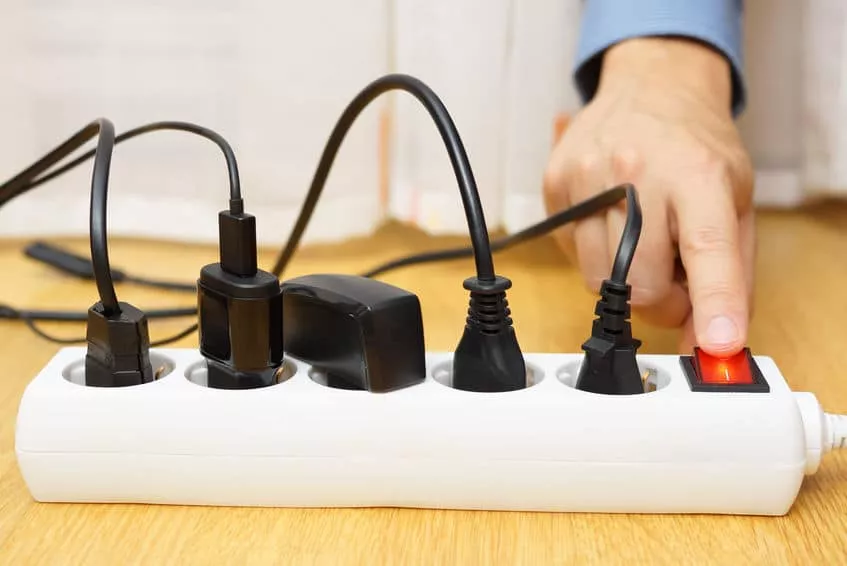
Are you gearing up for your next big construction project and wondering if an extension cord is up to the task? You’re not alone.
Many people face the challenge of ensuring their tools and equipment have the power they need on a bustling construction site. The allure of simply plugging in and getting to work is tempting, but is it safe and effective? We’ll explore whether an extension cord can be your reliable companion on a construction site or if it’s a risk not worth taking.
Keep reading to uncover essential insights that might just save you from unexpected setbacks and ensure your project runs smoothly.

Credit: www.ishn.com
Extension Cords On Construction Sites
Extension cords are used to power tools and lights on construction sites. They provide flexibilityand reachwhere fixed outlets are unavailable. Many tasks depend on them for temporary power, such as drilling, sawing, and lighting.
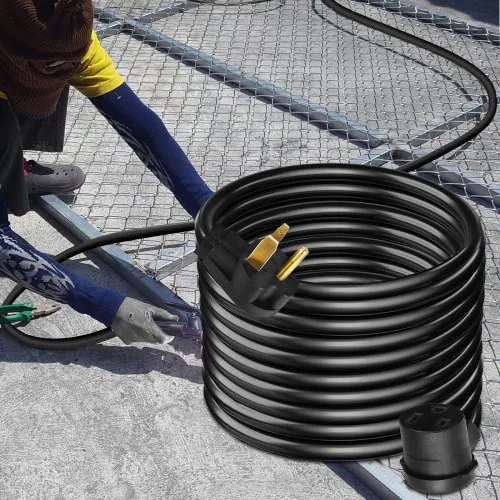
Using the right type is important for safety. Construction sites need cords that are durableand resistant to damage. Cords must handle rough conditions like moisture, heat, and heavy use.
| Type | Features | Use |
|---|---|---|
| Heavy-duty extension cords | Thick insulation, resistant to cuts and moisture | Powering heavy tools and outdoor use |
| Grounded cords (3-prong) | Extra safety with grounding pin | Protects users from electric shock |
| Outdoor-rated cords | UV and water-resistant | Used in wet or sunny conditions |
Safety Risks Of Improper Use
Electrical hazardsare a major risk with improper extension cord use. Damaged cords can cause electric shocksor fires. Using cords that are not rated for construction sites increases these dangers. Wet or damp conditions can make shocks more likely.
Physical damage and wearhappen quickly on job sites. Sharp tools, heavy equipment, and rough surfaces can cut or crush cords. Worn cords expose wires and increase accident risk.
Trip and fall dangersrise when cords are left on walkways. Workers can easily trip over cords, causing injuries. Keeping cords organized and off the ground is important for safety.
Choosing The Right Extension Cord
Choosing the right extension cord for construction sites ensures safety and efficiency. The gaugeof the cord matters; a lower gauge number means a thicker wire that can carry more current safely. Longer cords need thicker wires to avoid voltage drops.
Cords labeled for outdoor and heavy-duty usehave special coatings to protect against water, dirt, and rough handling. These cords last longer and reduce the risk of electric shock.
Groundingis important to prevent electrical hazards. Cords with three prongs provide grounding protection. Good insulationkeeps the wires safe inside the cord, even in tough conditions.
Best Practices For Safe Usage
Check the extension cordbefore each use. Look for cuts, frays, or exposed wires. Damaged cords can cause electric shocks or fires. Make sure the plug and socket fit securely. Never use cords with loose connections.
Place the cord so it does not block walkwaysor work areas. Avoid running cords through doorways or windowswhere they can get pinched. Use cord covers or cable protectorsto prevent damage and tripping.
- Check the power ratingof tools and extension cords.
- Do not connect too many devices to one cord.
- Use cords with higher amp ratingsfor heavy tools.
- Unplug cords when not in use to avoid overload.
Maintenance And Storage Tips
Extension cords on construction sites need regular cleaningto stay safe and work well. Dirt and dust can block the plug connections. Use a dry cloth to wipe the cord and plugs. Avoid water or harsh chemicals to prevent damage. Check cords for cuts, frays, or exposed wires. Repair or replace damaged cords immediately to avoid accidents.
Proper storagehelps keep extension cords safe. Coil cords neatly to prevent tangles. Store cords in a dry, cool placeaway from heavy tools or sharp objects. Avoid leaving cords on the ground where they can get wet or crushed. Using hooks or reels can protect cords from damage and make them easy to carry.

Credit: www.amazon.ca
Regulations And Standards
OSHAsets clear rules for using extension cords on construction sites. These cords must be heavy-dutyand rated for outdoor use. They should have a grounding wire for safety. Extension cords cannot replace permanent wiring. Workers must check cords for damagebefore use. Damaged cords increase risk of electric shockand fires.
The National Electrical Code (NEC)also controls extension cord use. It requires cords to have proper insulationand ampacityto handle tools’ power. NEC says cords must not be overloadedor run through walls, ceilings, or floors. Cords need to be kept away from water and sharp edges to avoid damage.
- Use cords with correct voltagerating
- Inspect cords daily for wearand tears
- Keep cords away from heatand moisture
- Never splice or repair cords yourself
Alternatives To Extension Cords
Temporary Power Distribution Unitsprovide safe and reliable power on construction sites. These units are designed to handle heavy loads and protect against electrical hazards. They often include circuit breakers and multiple outlets to power several tools at once. Using these units reduces the risk of overloading extension cords. They also help organize power sources, keeping the site neat and safer.
Cordless Tools and Equipmentoffer freedom from cables and reduce tripping hazards. Battery-powered tools work well in remote or tight spaces. Modern batteries last longer and recharge quickly. These tools are convenient for small jobs and quick tasks. They cut down on the need for multiple cords and power sources.
Credit: www.vevor.ca
Frequently Asked Questions
Can Extension Cords Handle Construction Site Power Demands?
Extension cords must be heavy-duty for construction sites. Regular cords may overheat or fail under high power loads. Use cords rated for outdoor and industrial use to ensure safety and durability.
Are All Extension Cords Safe For Outdoor Construction Use?
No, only extension cords labeled for outdoor use are safe on construction sites. They have protective insulation and weather-resistant features to prevent electrical hazards in harsh conditions.
How Long Can An Extension Cord Be On A Construction Site?
Extension cords should not exceed 100 feet on construction sites. Longer cords can cause voltage drops, reducing power efficiency and increasing fire risks. Use shorter or properly rated cords for safety.
What Gauge Extension Cord Is Best For Construction Tools?
Use extension cords with lower gauge numbers (12 or 14 gauge) for construction tools. They carry more current safely and reduce overheating risks, ensuring reliable power supply for heavy-duty equipment.
Conclusion
Extension cords can be used on construction sites with caution. Choose cords made for heavy-duty use. Avoid using damaged or worn cords to stay safe. Keep cords away from water and sharp objects. Always unplug cords when not in use.
Proper care prevents accidents and equipment damage. Using the right cord helps keep the job running smoothly. Safety should always come first on any site. Small steps make a big difference in protection. Stay alert and follow these tips for safe use.