Winter brings with it a host of challenges, from freezing temperatures to unpredictable weather. One common question that pops up during this chilly season is whether extension cords can withstand the winter elements.
You might be wondering if that trusty cord in your garage is up to the task. Is it safe? Will it still work efficiently? Your curiosity is spot on, as using extension cords in winter requires a bit more thought than usual.
Dive into this article to uncover everything you need to know about using extension cords safely and effectively during the cold months. Let’s ensure you’re prepared, so you can enjoy winter without any electrical mishaps.

Credit: www.acostainc.com
Winter Use Of Extension Cords
Extension cords used in winter must have durable materialsthat resist cold. Cold weather can make some cords brittle and unsafe. Look for cords with rubber or heavy-duty plasticinsulation for better performance in low temperatures.
Types of extension cords suitable for winter include:
- Outdoor-rated cordsdesigned to handle cold and moisture.
- Cords labeled as “SJTW” or “STW”, which mean they are weather-resistant.
- Heavy gauge cordsthat deliver power safely in cold weather.
Snow and ice can cause short circuitsand damage cords. Keep cords off the ground or cover them to avoid moisture. Always inspect cords for cracks or wear before use.
Credit: www.premium-electric.ca
Safety Risks In Cold Weather
Cold weather can make extension cords stiff and brittle, increasing the risk of cracks and electrical hazards. Using cords rated for outdoor winter use helps prevent accidents and keeps power flowing safely. Always check the cord’s condition before use in freezing temperatures.
Electrical Shock Hazards
Cold weather can make extension cords stiff and brittle. This can cause cracks in the cord’s cover. Water or ice can get inside these cracks. This increases the risk of electrical shock. Always check cords for damage before use. Use cords rated for outdoor or cold weather use.
Cord Damage And Wear
Freezing temperatures cause cords to become less flexible. Bending or pulling can lead to internal wire breaks. This can stop the cord from working properly. It also creates a fire risk. Store cords indoors when not in use. Avoid using damaged cords in winter.
Fire Risks
- Damaged cords can cause sparks.
- Ice buildup may cause short circuits.
- Improper use of cords outdoors increases fire risk.
- Use cords with proper insulation for cold weather.
Choosing The Right Extension Cord
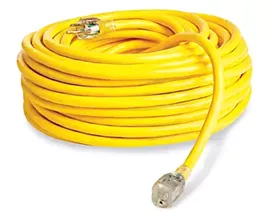
Outdoor-rated extension cordsare designed for cold and wet weather. Look for UL certificationto ensure safety. These cords resist cracking and breaking in freezing temperatures. Avoid indoor cords for winter use, as they can become brittle and unsafe.
Cord length affects power delivery. Use the shortest cordneeded to reduce power loss. Thickness, or gauge, matters too. Lower gauge numbers mean thicker wiresand better power flow. For heavy tools or heaters, choose cords with a gauge of 12 or 14.
Water resistance is key for winter. Choose cords with rubber or plastic insulationto repel moisture. Some cords have a waterproof jacketfor extra protection. Keep plugs dry and off snow or ice to prevent shock risks.

Credit: www.premium-electric.ca
Proper Usage Techniques
Extension cordsmust not be pinched or crushed. Avoid placing heavy objects on cords. Pinching can damage the cord’s outer covering and wires inside. This damage causes short circuitsor sparks, which are dangerous. Keep cords away from doors and windows where they may get crushed.
Secure all connectionstightly. Loose plugs can cause sparks or heat buildup. Use outdoor-rated extension cords for winter. Check plugs for damage before use. Always insert plugs fully into outlets or devices.
Keep cords dryat all times. Wet cords can cause electric shock or short circuits. Avoid placing cords on wet ground or snow. Use cord covers or raise cords off the ground. If cords get wet, dry them completely before use.
Storage And Maintenance Tips
Extension cords should be cleaned after each use. Dirt and moisture can cause damage. Use a dry cloth to wipe the cord and plug. Avoid water or harsh cleaners that can harm the cord’s insulation.
Check the cord for any cracks, cuts, or exposed wires. Damaged cords can cause sparks or fires. Do not use cords that show signs of wear or damage.
- Store cords in a dry, cool place.
- Keep cords away from direct sunlight to prevent cracking.
- Coil cords loosely to avoid kinks or bends.
- Use hooks or reels to hang cords and keep them off the floor.
Emergency Preparedness
Faulty extension cordscan cause fires or shocks, especially in winter. Look for cracks, frays, or exposed wires on the cord. If the cord feels warm or smells burnt, it might be damaged. Avoid using cords with loose plugs or broken insulation.
In case of an electric shock, stay calm. Do not touch the person if they are still in contact with the electricity. Turn off the power source immediately or unplug the cord carefully using a dry, non-metal object. Call emergency services right away. If the person stops breathing, start CPR if trained.
Replace extension cords that show signs of damage or have been used for many years. Do not use cords that are not rated for outdoor or winter use. Always choose cords with heavy-duty insulationto handle cold weather. Store cords properly to avoid damage.
Frequently Asked Questions
Can Extension Cords Be Safely Used In Winter?
Yes, extension cords can be used in winter if they are rated for outdoor use. Use cords with thick insulation to withstand cold temperatures and moisture. Avoid damaged or frayed cords to prevent electrical hazards in winter conditions.
What Type Of Extension Cord Is Best For Winter?
Choose heavy-duty, outdoor-rated extension cords with insulation designed for low temperatures. Look for cords labeled as “SJTW” or “SJEOW,” which resist moisture and cold. This ensures safe and reliable performance during winter months.
How To Prevent Extension Cord Damage In Winter?
Keep cords off icy or wet surfaces to avoid damage. Store them coiled and dry when not in use. Inspect regularly for cracks, cuts, or stiffness caused by cold, and replace damaged cords immediately.
Can Cold Weather Affect Extension Cord Performance?
Yes, cold weather can make cords stiff and brittle, increasing breakage risk. Properly rated winter extension cords maintain flexibility and insulation. Using the wrong cord may lead to electrical shorts or failure.
Conclusion
Extension cords can work safely in winter with the right care. Choose cords made for cold weather use. Avoid using damaged or thin cords outside. Keep cords dry and off the ground to stop ice and snow damage. Always unplug cords when not in use.
Using the correct cord helps prevent accidents and power loss. Winter does not mean you cannot use extension cords. Just be smart and cautious for safety and good performance. Stay warm and powered safely this winter season.