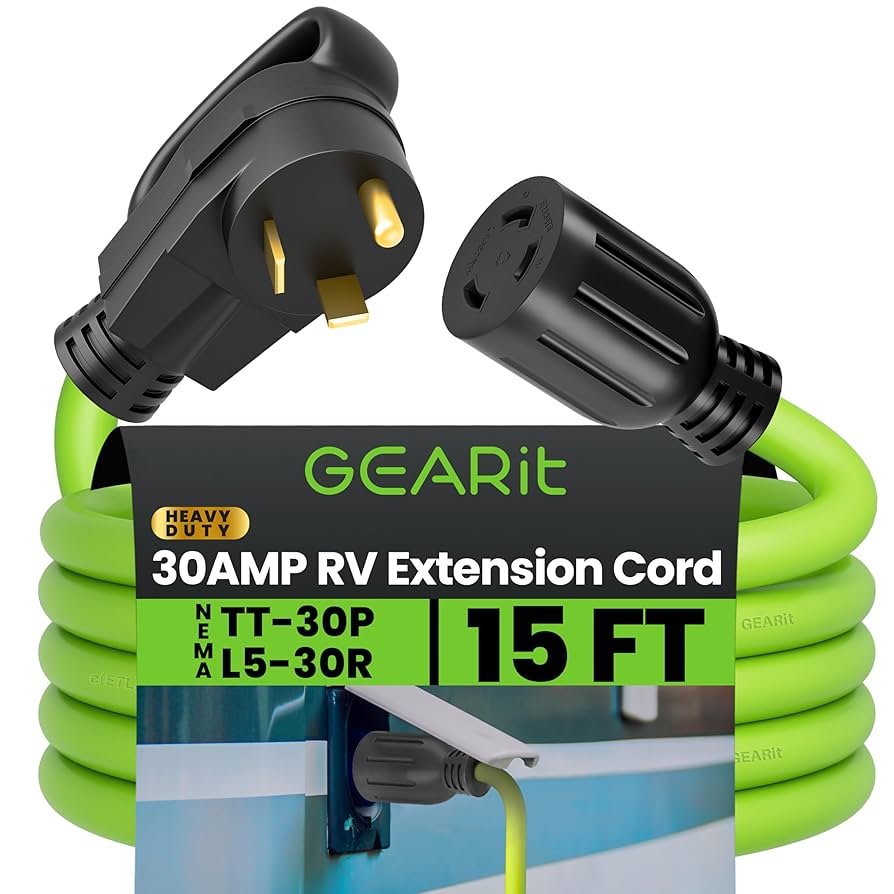
Imagine you’re on your dream RV trip, surrounded by nature, and it’s time to power up your gadgets or appliances. You might wonder if you can use an extension cord with your RV generator.
This question isn’t just about convenience; it’s about ensuring safety and efficiency. You’re not alone in pondering this. Many RV enthusiasts like you are curious about the best way to power their mobile adventures. In this blog post, we’ll explore if you can use an extension cord with your RV generator, what you need to consider, and how to make the most of your power setup.
Stay with us, and you’ll be equipped with the knowledge to keep your journey smooth and powered up.
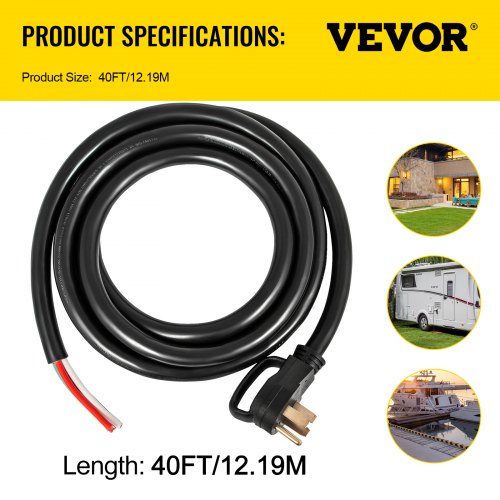
Credit: www.vevor.ca
Rv Generator Basics
RV generators make power for your camper or motorhome. They run on gasoline, propane, or diesel. The generator engine turns a small electric generator to create electricity. This electricity can run lights, appliances, and devices inside the RV.
Generators vary by size and power output. Smaller models fit in compact spaces and provide basic power. Larger units can run many appliances at once. Some use inverter technology for cleaner, quieter power. The choice depends on your power needs and budget.
| Type | Fuel | Power Output | Noise Level | Best Use |
|---|---|---|---|---|
| Portable | Gasoline | 1000-4000 watts | Moderate | Short trips, small RVs |
| Inverter | Gasoline or Propane | 1600-4000 watts | Low | Quiet, sensitive electronics |
| Built-in | Diesel or Gasoline | 4000-7000 watts | Moderate | Large RVs, full power |
Extension Cord Essentials
Choosing the right extension cord is key for safe RV generator use. Pick cords with the correct power ratingto handle your generator’s output. Low-rated cords can overheat and cause fires.
Cord lengthmatters too. Longer cords have more resistance, reducing power and causing voltage drops. Use the shortest cord possible for best results.
| Cord Gauge (AWG) | Max Length (feet) | Suitable Amps |
|---|---|---|
| 12 | 50 | 20 |
| 10 | 75 | 30 |
| 8 | 100 | 40 |
- Choose cords rated for outdoor use.
- Check for thick insulation to protect against wear.
- Inspect cords regularly for cuts or damage.
Using Extension Cords With Rv Generators
Extension cords can be used with RV generators if certain compatibility factorsare met. The cord should match the power ratingof the generator and the devices. Using a cord with too low a rating can cause overheatingor damage.
Choose cords with the right plug typethat fits the generator outlet. The cord length matters too; longer cords can cause voltage drops. Use cords designed for outdoor use with a weather-resistantrating.
- Use heavy-duty extension cords with at least 12-gauge wire.
- Keep cords away from water and sharp objects.
- Connect cords securely to avoid loose connections.
- Do not overload the cord with too many devices.
Proper connection techniques include plugging the cord firmly into the generator. Avoid forcing plugs or using damaged cords. Inspect cords regularly for frays or cuts. Disconnect cords before moving the generator to avoid accidents.
Safety Risks And Precautions
Using an extension cord with an RV generator can cause overloadingand overheating. Extension cords not made for high power may get very hot. This can start a fire or damage the generator and devices.
Choose extension cords with the right power rating. Make sure the cord can handle the generator’s output. Avoid using thin or damaged cords.
- Keep cords untangled and away from water.
- Do not connect multiple extension cords together.
- Inspect cords for cuts or frays before use.
Electrical hazards can occur if cords are not used properly. Always plug cords into grounded outlets. Turn off the generator before plugging or unplugging cords to avoid shocks.
Using extension cords safely protects you and your RV equipment.
Maintenance Tips
Check extension cords and generators for any cuts, frays, or damage. Replace cords if the insulation is worn. Make sure the generator is free of dirt and debris. Test cords for proper voltagebefore use. Avoid using damaged cords, as they can cause electrical hazards.
Store cords in a dry, cool place. Coil them loosely to avoid kinks or tangles. Keep generators covered when not in use to protect from weather. Handle cords gently to extend their life. Never pull cords by the plug; hold the plug firmly while unplugging.

Credit: www.amazon.ca
Alternative Power Solutions
Using an extension cord with an RV generator is often unsafe and not recommended. Extension cords may not handle the generator’s power output properly. This can cause overheatingor electrical fires. Instead, consider direct generator hookupto the RV’s power system. This method ensures a stable and safe connection.
Transfer switches provide a reliable way to connect a generator to your RV. They help switch power sources without risk of backfeed. This prevents damage to your RV’s electrical system and the generator. Transfer switches make the power transfer safe and easy.
| Power Solution | Pros | Cons |
|---|---|---|
| Extension Cord | Easy to use | Unsafe, risk of fire |
| Direct Generator Hookup | Stable, safe connection | Needs proper setup |
| Transfer Switches | Safe power switching | Requires installation |
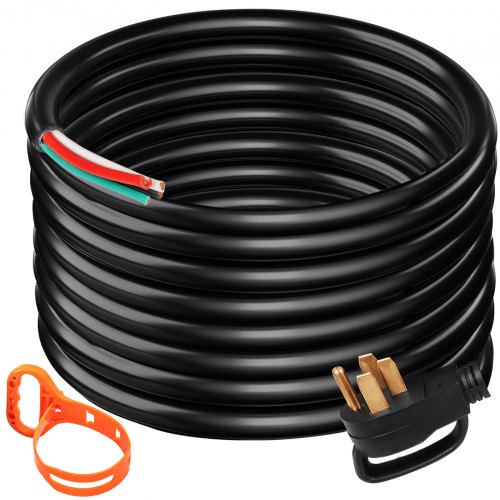
Credit: www.vevor.ca
Frequently Asked Questions
Can I Use Any Extension Cord With My Rv Generator?
No, use only heavy-duty extension cords rated for your RV generator’s wattage. Avoid thin or cheap cords to prevent overheating and damage.
What Gauge Extension Cord Is Best For Rv Generators?
Choose a 10 or 12-gauge extension cord for most RV generators. Thicker cords handle power safely and reduce voltage drop over long distances.
How Long Can An Extension Cord Be For Rv Generators?
Keep extension cords under 50 feet for optimal performance. Longer cords can cause voltage drops, reducing generator efficiency and risking appliance damage.
Is It Safe To Use An Extension Cord Outdoors With An Rv Generator?
Yes, but ensure the extension cord is rated for outdoor use and weather-resistant. This prevents electrical hazards and maintains safe power delivery.
Conclusion
Extension cords can work with RV generators, but safety matters most. Choose cords that match your generator’s power needs. Use cords that are heavy-duty and rated for outdoor use. Keep cords dry and avoid overloading them. Check cords for damage before every use.
Proper use helps your RV stay powered and safe. Always follow the generator and cord instructions closely. Doing this prevents accidents and keeps your trip smooth. Stay careful and enjoy your RV adventures with peace of mind.