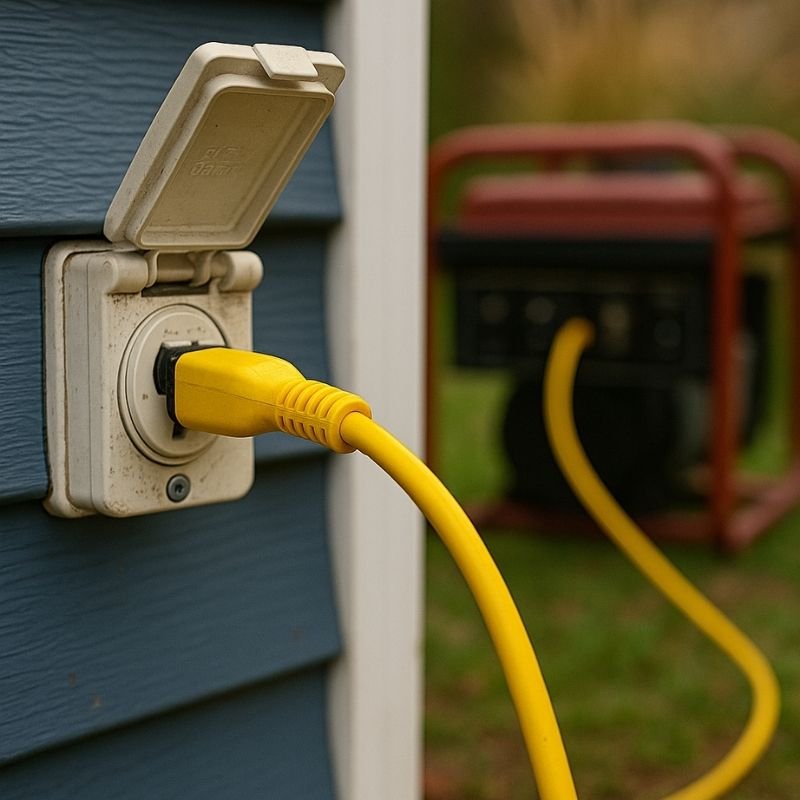
Have you ever wondered if using an extension cord with your generator could lead to an overload? It might seem like a harmless solution to reach those far-off devices, but this seemingly simple choice can have significant consequences.
Understanding the relationship between extension cords and generator performance can save you from potential hazards and costly repairs. You’ll discover the surprising truth about how extension cords can impact your generator’s load, ensuring that you maintain a safe and efficient setup.
Stay with us, and we’ll uncover the secrets to preventing overload and keeping your power supply running smoothly.

Credit: tikweld.com
Generator Overload Basics
Generator overloadhappens when the connected devices draw more power than the generator can supply. This causes the generator to work too hard and may lead to damage or shutdown.
One common cause of overload is using an extension cordthat is too long or too thin. This can limit power flow and make the generator work harder. Other causes include:
- Connecting too many devices at once
- Using tools or appliances with high starting power
- Not knowing the generator’s power limits
Role Of Extension Cords
Extension cords come in different types and ratings. Each cord has a power limit. Using a cord with a low rating can cause overloadand damage. Always check the ampere ratingof the cord before use.
Longer cords can cause voltage drop. This means the power reaching the device is less than needed. It makes the generator work harder. This can lead to overheatingor even failure.
| Extension Cord Type | Rating (Amps) | Common Use |
|---|---|---|
| Light Duty | 10-13 | Small appliances |
| Medium Duty | 14-16 | Power tools |
| Heavy Duty | 16-20+ | Generators, large equipment |
Risks Of Using Extension Cords With Generators
Using an extension cordwith a generator can cause serious overload risks. Extension cords may not handle the power outputof the generator properly. This can lead to overheatingand potential damage to both the cord and the generator.
Fire hazards increase if the cord is too thin or too long. The cord can get hot and start a fire. Electrical damage may happen to connected devices from unstable power supply.
Generator performance can drop due to overload. It may cause the generator to shut downor work less efficiently. Using the right cord with adequate power rating is very important.
Choosing The Right Extension Cord
Choosing the right extension cordis key to avoid generator overload. The gaugeand lengthof the cord matter most. A cord with a lower gauge numberhas thicker wires and can carry more power safely.
Long cords cause voltage drops, making your generator work harder. Keep cords as short as possible to prevent overload. Match the cord’s capacityto your generator’s outputwattage. Using a cord with less capacity than the generator’s output can cause overheating and damage.
| Generator Output (Watts) | Recommended Cord Gauge | Maximum Length (Feet) |
|---|---|---|
| Up to 1,000 | 16 AWG | 50 |
| 1,000 – 1,800 | 14 AWG | 50 |
| 1,800 – 3,000 | 12 AWG | 100 |
| Over 3,000 | 10 AWG | 100 |
Safe Practices To Prevent Overload
Use extension cordsthat match the generator’s power rating. Avoid cords with cuts or damages. Connect cords securely to prevent sparks or shorts.
Keep track of the total load on the generator. Do not plug in too many devices at once. Prioritize essential appliances to avoid overload.
Check the generator and cords regularly. Look for signs of wear, such as frayed wires or loose connections. Clean and tighten connections often to keep everything safe.
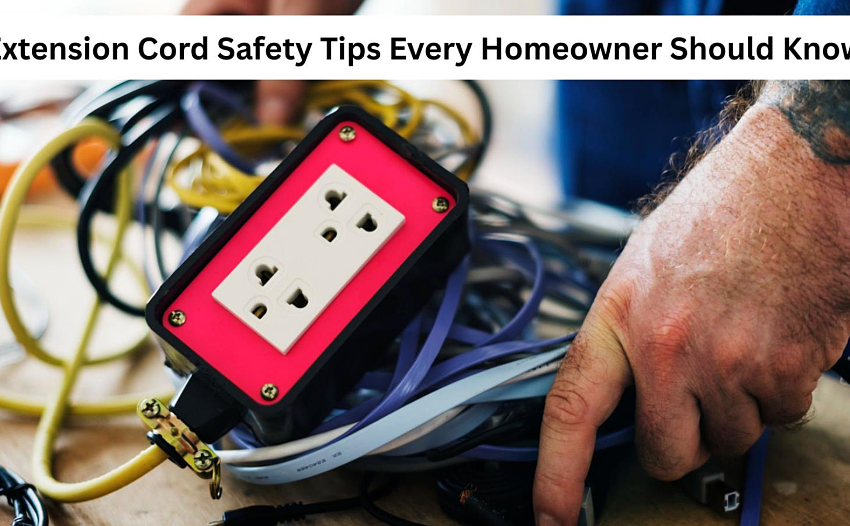
Credit: seaislenews.com
Alternative Solutions To Extension Cords
Connecting appliances directly to the generator reduces the risk of overload. It ensures stable power flowand avoids the heat buildup that extension cords cause. This method is simple and safe.
Transfer switches allow you to connect the generator to your home’s electrical system safely. They prevent backfeed, which can be dangerousfor utility workers. Transfer switches also manage power distributionefficiently.
Installing dedicated circuits for generator use is a smart choice. These circuits handle high power loadswithout overloading. They protect your generator and appliances by providing a direct, secure connection.

Credit: truegear.com.au
Frequently Asked Questions
Can Extension Cords Cause Generator Overload?
Yes, using an improper or damaged extension cord can cause generator overload. It increases resistance, leading to excess current draw and overheating.
What Type Of Extension Cord Is Safe For Generators?
Use heavy-duty, grounded extension cords rated for outdoor use and matching the generator’s wattage capacity to avoid overloads.
How Can Extension Cords Affect Generator Performance?
Extension cords with insufficient gauge cause voltage drop and overheating, reducing generator efficiency and risking overload or damage.
Does Cord Length Impact Generator Overload Risk?
Longer extension cords increase resistance and voltage drop, raising the chance of generator overload if not properly rated.
Conclusion
Extension cords can cause generator overload if not chosen carefully. Using the wrong cord may lead to overheating and power loss. Always select cords with the right gauge and length for your generator. Avoid connecting too many devices at once to prevent overload.
Regularly check cords for damage and replace if needed. Taking these steps helps keep your generator safe and working well. Safety matters most when running power through extension cords. Stay alert and protect your equipment from overload risks.