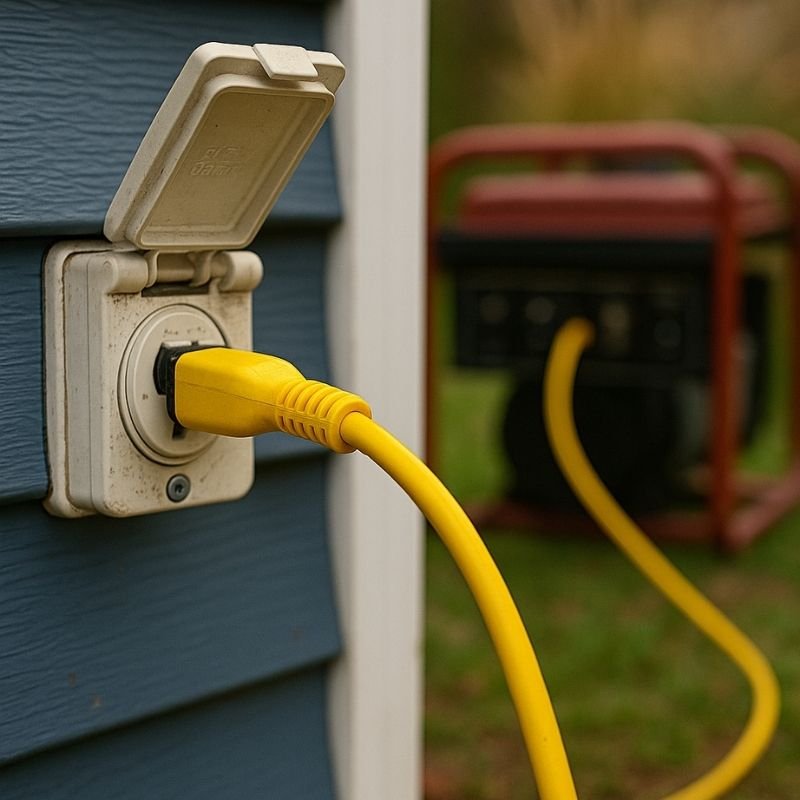
Are you wondering if your extension cord can handle the surge load from a generator? You’re not alone.
Many people face this dilemma when setting up backup power solutions. Imagine this: the power goes out, and you turn to your trusty generator to keep things running smoothly. But then, doubt creeps in—is your extension cord up to the task?
The stakes are high. An overloaded cord could not only damage your appliances but also pose serious safety risks. We’ll unravel the mystery and give you the confidence to make informed choices. Stay with us, and discover the key to keeping your home powered safely and efficiently.

Credit: www.vevor.com
Extension Cord Basics
Extension cordscome in different typesand ratings. Each cord has a maximum power limit. Using a cord with too low a rating can cause overheatingor fire risks.
Wire gaugeshows the thickness of the cord’s wires. The lower the gauge number, the thicker the wire. Thicker wirescarry more power safely. Thin wires can cause voltage dropsand damage to devices.
Long cords cause power loss. Electricity weakens as it travels through a long cord. Choose the shortest cord that reaches the generator and the device. This keeps power strong and devices safe.
Surge Load Explained
Surge loadis a sudden increase in electrical power. It happens when devices start and need extra energy. This extra power can be much higher than normal running power. Surge load usually lasts for a very short time but can be strong enough to cause problems.
Causes of surge loadinclude:
- Starting motors in appliances like refrigerators or air conditioners
- Power tools switching on
- Generators turning on or off suddenly
- Large machines beginning work
Surge loads can damage electrical devices. They may cause overheatingor short circuits. Extension cords not made for surge loads can melt or break. Using the right cord helps protect devices and keeps electricity flowing safely.
Generator Power Characteristics
Generators have two key power ratings: starting wattsand running watts. Starting watts are the extra power needed to start motors or appliances. Running watts are the steady power needed to keep devices on. Extension cords must handle the higher starting wattsto avoid damage.
Power from generators may have small fluctuations. These changes can affect sensitive devices. Using a cord rated for the correct wattage helps protect devices from sudden power changes.
Extension Cords And Surge Loads
Extension cords can handle some surge loads, but not all. Surge loads are short bursts of high power when a generator starts. Most cords have a limit called amperage rating. If the surge is higher than this, the cord can overheat.
Using a cord with too low rating can cause fire hazardsand damage to equipment. Always check the cord’s ratingbefore connecting to a generator.
| Risk | Details |
|---|---|
| Overheating | Cord can get hot and melt its insulation. |
| Fire Hazard | Overloaded cords may cause sparks or fire. |
| Equipment Damage | Voltage drops can harm connected devices. |
Safety Tips For Using Extension Cords
Choose an extension cordwith the correct power rating for your generator. Check the cord’s amperageand voltagelimits. Use cords made for outdoor use with heavy-duty insulation. Avoid thin or damaged cords that can cause hazards.
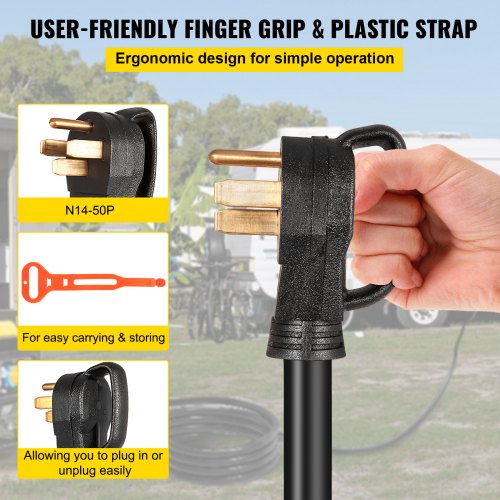
Make sure the cord plugs fit snuglyinto the generator and device outlets. Loose connections can cause sparks or shorts. Keep all connections dry and off the ground to prevent electric shock.
- Do not overloadthe cord beyond its capacity.
- Uncoil the cord fully to avoid heat buildup.
- Check cords regularly for warmthor damage.
- Disconnect cords when not in use to reduce risk.
Credit: www.vevor.com
Alternatives To Extension Cords
Connecting a generator directly to appliances or circuits is safer than using extension cords. This method reduces the risk of overloading cablesand causing fires. It ensures that the power runs smoothly without sudden drops or spikes.
Transfer switches offer a secure way to connect a generator to your home’s electrical system. They allow easy switching between utility power and generator power. This avoids backfeed, which can harm utility workers or damage equipment.
- Direct Generator Connection:Plug the generator straight into the device or panel.
- Transfer Switches:Installed by professionals for safe power switching.
Maintenance And Inspection
Check extension cords carefully for any cuts, frays, or cracks. These damages can cause electrical shorts or fires. Look at both ends of the cord for loose or bent plugs. Ensure the cord’s insulation is intactand not worn out. Avoid using cords with visible damage.
Replace worn cords immediately to keep things safe. Using damaged cords can cause power lossor shock hazards. Choose cords with the correct wattage ratingfor your generator. Store cords properly to avoid kinks and tangles. Regular checks help your cords last longer and work better.

Credit: www.reddit.com
Frequently Asked Questions
Can Extension Cords Handle Generator Surge Loads Safely?
Extension cords can handle surge loads if rated for the generator’s wattage. Use heavy-duty cords with proper gauge to avoid overheating and damage.
What Gauge Extension Cord Is Best For Generator Surge Load?
A 12 or 10 gauge extension cord is ideal for handling generator surge loads. Thicker cords ensure safe power transfer and reduce voltage drop.
How To Prevent Extension Cord Damage From Generator Surges?
Choose cords with surge protection and proper gauge. Avoid long cords and inspect regularly for wear to prevent damage from generator surges.
Are All Extension Cords Suitable For Generator Use?
No, not all cords are suitable. Use only heavy-duty, outdoor-rated cords designed to handle high surge loads from generators.
Conclusion
Extension cords may not safely handle surge loads from generators. Always check the cord’s rating before use. Using the wrong cord can cause damage or fire. Choose heavy-duty cords designed for high power. Keep cords short to reduce risks. Safety should always come first when powering devices.
Be smart and protect your equipment and home.