Have you ever paused to wonder about the fuel you use daily? Imagine a world where the fuel that powers your car, heats your home, or even runs your gadgets doesn’t have to be a one-and-done resource.
This isn’t a distant dream; it’s an emerging reality. The concept of recycling fuel is not just an eco-friendly idea but a potential game-changer for your wallet and the environment. You might think, “Is it really possible to recycle fuel?
” Or “How could this impact my life? ” These are the questions we’re diving into. By the end of this article, you’ll discover the possibilities and practicalities of fuel recycling, and why it matters to you. Keep reading to learn how this innovative approach can help you save money, protect the planet, and possibly even redefine how you think about energy consumption.
Fuel Types And Their Impact
Fossil fuelslike coal, oil, and natural gas are common energy sources. Burning them releases carbon dioxide, which harms the environment. This leads to air pollutionand climate change. Fossil fuels take millions of years to form and are non-renewable. Their use impacts nature and human health.
Biofuelscome from plants and animals. They are renewableand can reduce pollution. Biofuels include ethanol and biodiesel. They burn cleaner but need land and water for crops. Using waste materials for biofuel helps lower waste and saves resources.
Synthetic fuelsare made in labs using chemicals. These fuels can mimic fossil fuels but can be cleaner. New technologies aim to make synthetic fuels with less pollution. They may become important as cleaner energy options in the future.
Credit: medium.com
Fuel Recycling Techniques
Used fuel oilscan be cleaned and reused through reprocessing. This process removes dirt, water, and other impurities. The cleaned fuel oil can then be used again for heating or machinery. It helps reduce waste and saves money.
Waste plasticscan be turned into fuel using special methods. The plastics break down into liquid fuel that can power engines or boilers. This reduces plastic pollution and creates useful energy.
| Method | Description |
|---|---|
| Catalytic | Uses catalysts to speed up chemical changes in fuel or plastics. |
| Thermal | Uses heat to break down materials into fuel without oxygen. |
Benefits Of Recycling Fuel
Recycling fuelhelps in reducing carbon emissions. It lowers the amount of harmful gases released into the air. This helps in fighting climate changeand keeps the air cleaner for everyone.
It also helps in conserving natural resources. Fuel comes from oil, which is limited. Recycling means we use less oil, saving it for the future. This protects the environment and reduces the need for drilling.
The economic advantagesare clear. Recycling fuel can be cheaper than making new fuel. It creates jobs in recycling and transportation. Plus, it saves money for companies and consumers by lowering fuel costs.

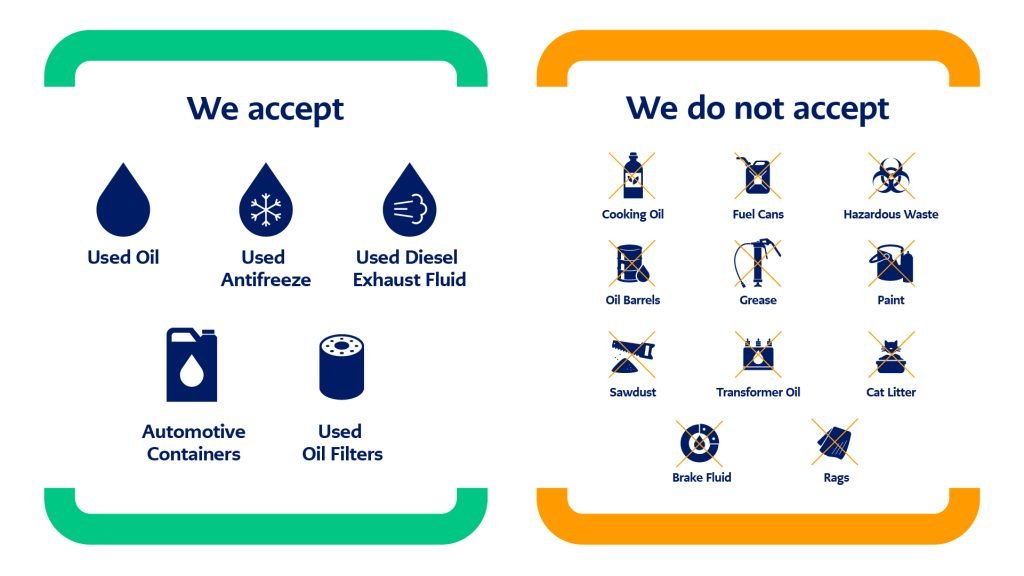
Credit: rmrecycling.org
Challenges In Fuel Recycling
Fuel recycling faces several technical limitations. Used fuel often contains contaminantsand complex chemicals. These make the recycling process hard and costly. Special equipment is required to separate and clean the fuel properly.
The economic viabilityof fuel recycling is a major challenge. The cost of recycling can be higher than producing new fuel. This limits the interest of many companies. Also, the market demand for recycled fuel is still low, which affects profits.
| Regulatory and Safety Issues |
|---|
|
Innovations In Sustainable Energy
Biofuel productionuses plants and waste to make fuel. This method helps reduce pollution and cuts down on fossil fuel use. Scientists are working on ways to grow crops that give more fuel with less land and water. New processes can turn waste into energy faster and cheaper.
Fuel cell technologiesturn fuel into electricity without burning it. They are clean and efficient. Fuel cells can power cars, homes, and even large buildings with less pollution. Research continues to make fuel cells cheaper and longer-lasting.
Integration with renewable energy systemsmeans combining fuel with wind, solar, or hydro power. This mix can store energy and keep it steady when the sun or wind is weak. It helps make energy supply more reliable and green. Using fuel in this way supports a cleaner planet.
Credit: engnovate.com
Future Prospects And Trends
Fuel recycling holds promise for reducing waste and conserving resources. Advances in technology may soon make fuel reuse more efficient and widespread. Growing interest in eco-friendly solutions drives research into safer, cleaner recycling methods.
Circular Economy In Energy
The circular economy in energy aims to reuse and recycle fuels to reduce waste. This helps save resources and lowers pollution. Fuel recycling can mean turning waste into new energy forms or recovering useful parts. This approach supports cleaner and more efficient energy systems.
Policy Support And Global Initiatives
Many countries create rules to promote fuel recycling and cleaner energy. Global groups work together to share knowledge and fund projects. Strong policies help businesses and consumers adopt greener choices. International cooperation speeds up progress in fuel recycling technologies.
Role Of Consumers And Industry
- Consumers can choose fuels that are eco-friendly or recycled.
- Industries invest in new methods to recycle and reuse fuel.
- Both groups help reduce waste and protect the environment.
- Education and awareness encourage better fuel use habits.
Frequently Asked Questions
Can Fuel Be Recycled And Reused Safely?
Yes, certain fuels like diesel and gasoline can be recycled through refining. Recycling reduces waste and conserves resources. However, the process requires specialized equipment to remove contaminants and ensure safety before reuse.
What Types Of Fuel Are Recyclable?
Diesel, gasoline, and used motor oils are commonly recyclable fuels. Biofuels and waste oils can also be processed. Recycling depends on fuel quality and contamination levels to ensure effective recovery.
How Does Fuel Recycling Impact The Environment?
Fuel recycling lowers pollution by reducing fuel waste and emissions. It conserves natural resources and minimizes landfill use. Proper recycling helps decrease the environmental footprint of fuel consumption.
Is Recycled Fuel As Efficient As New Fuel?
Recycled fuel can match the performance of new fuel if properly refined. Quality control ensures fuel meets standards for engine efficiency and emissions. Improper recycling may reduce fuel effectiveness.
Conclusion
Fuel recycling helps reduce waste and saves natural resources. It lowers pollution and supports cleaner air. Many types of fuel can be recycled with proper methods. Recycling fuel also cuts costs for industries and consumers. Small steps toward recycling make a big difference.
Everyone can contribute by learning and spreading the word. Cleaner energy means a healthier planet for future generations. Fuel recycling is a smart, practical choice for today.