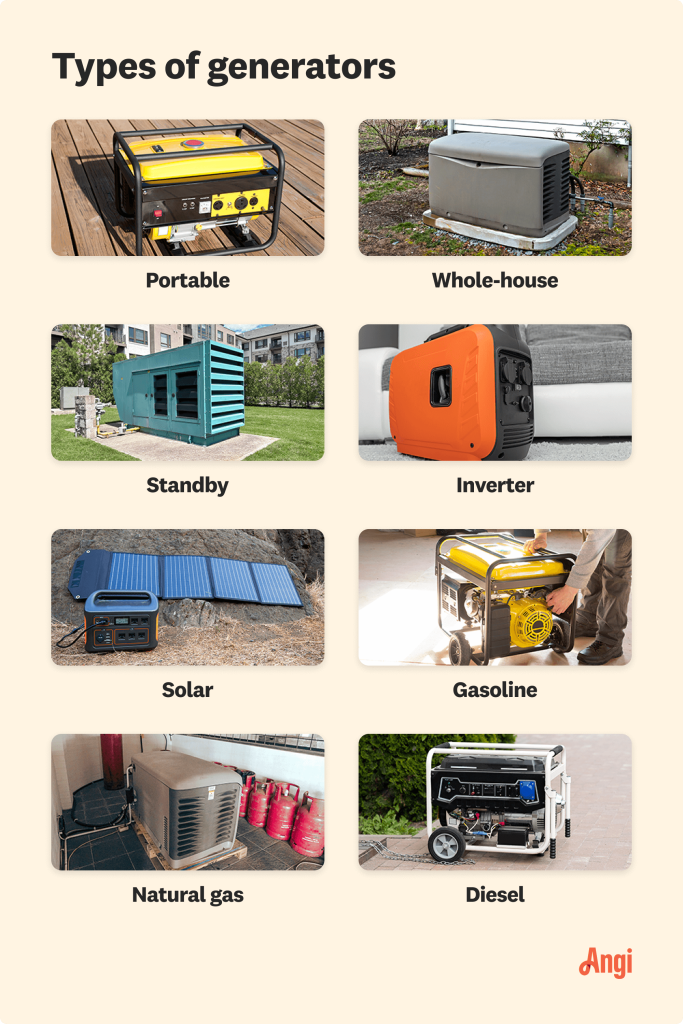
Have you ever wondered about the safest way to store fuel near your generator? Whether you’re preparing for an emergency, or simply ensuring your backup power is ready for action, knowing where and how to store fuel is crucial.
You might think it’s convenient to keep it close, but is it safe? We’ll delve into the important considerations you should know about storing fuel near your generator. By understanding the potential risks and safety measures, you can protect your home and family while ensuring your generator is always ready when you need it most.
Stick around, because your peace of mind could depend on what you learn here.
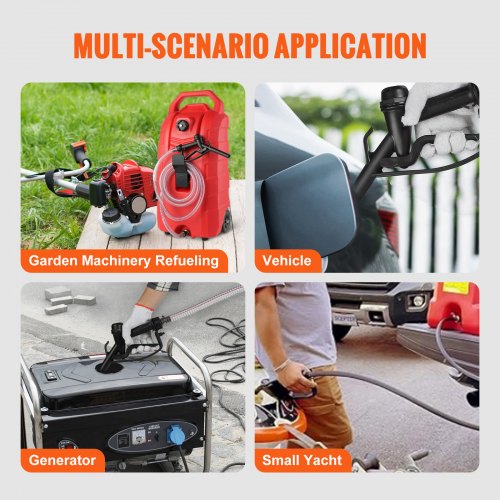
Credit: www.vevor.ca
Fuel Storage Risks
Storing fuel near a generatorcan cause serious fire and explosion risks.Fuel vapors are highly flammable and can ignite easily. Sparks from the generator may trigger a fire or explosion.
Fuel leaks can also harm health. Breathing fuel fumes can cause dizziness, headaches,or worse. These fumes are dangerous to children and pets.
Fuel spills can pollute soil and water. This harms plants, animals, and the environment. Proper fuel storage is essential to avoid these risks.
Safe Distance For Fuel Storage
Keep fuel containersat a safe distancefrom the generator. This reduces the risk of fire or explosion. A minimum distance of 20 feetis often recommended for gasoline storage.
Diesel fuel can be stored slightly closer, but at least 10 feet awayis best. Fuel should be in approved containerswith tight lids to prevent spills and fumes.
| Fuel Type | Recommended Distance from Generator |
|---|---|
| Gasoline | 20 feet (6 meters) |
| Diesel | 10 feet (3 meters) |
| Propane | 10 feet (3 meters) with proper ventilation |
- Check local lawsfor specific rules.
- Follow fire codesfor storage and handling.
- Use ventilated and coolstorage areas.
- Avoid storing fuel near windows, doors, or vents.
Proper Fuel Containers
Fuel must be stored in approved containersonly. These containers are made to hold fuel safely and prevent leaks. Using the wrong container can cause spills or fires.
Common types of approved containersinclude:
- Metal cans:Durable and often painted red for gasoline.
- Plastic containers:Made from special fuel-resistant plastic.
- Safety cans:Equipped with a spring-closing lid and spout.
Clear labelinghelps identify the fuel type quickly. Always mark the container with the fuel inside.
Regular maintenanceof containers is essential. Check for cracks, rust, or damage. Replace containers if they show signs of wear.

Credit: www.youtube.com
Handling Fuel Near Generators
Fuel should be handled with carenear generators. Always use a proper containermade for fuel storage. Keep the container closedtightly to avoid spills and fumes.
Refuel the generator in a well-ventilatedarea and only after it has cooled down. Use a funnel or spout to avoid fuel spills. Never overfill the tank.
Spill prevention is key. Place a drop clothor tray under the fuel container. Clean up spills immediatelywith absorbent materials like sand or kitty litter.
Store fuel at least 20 feet awayfrom the generator. Keep it in a cool, dry placeaway from heat or flames.
Ventilation And Location Tips
Choose a storage site far from the generator to avoid fire risks. Store fuel in a cool, dry place away from direct sunlight. Avoid enclosed spaces with poor airflow.
Good ventilation is crucial. It helps disperse fumes and prevents gas buildup. Keep fuel containers in areas with open windows or vents.
Ensure the storage spot is on a stable, non-flammable surface. Keep fuel containers tightly sealed to stop leaks and spills.
- Store fuel at least 10 feet from the generator
- Use approved containers for fuel storage
- Avoid storing fuel near heat sources or sparks
- Place fuel in well-ventilated areas
- Regularly check fuel containers for damage or leaks
Emergency Preparedness
Storing fuel near a generator is risky due to fire hazards. Keep fuel containers in a cool, well-ventilated area away from the generator to stay safe.
Fire Extinguishers And Equipment
Keep a fire extinguisher close to the generator and fuel storage. Use a Class B extinguisher for flammable liquids like gasoline. Check the extinguisher’s expiration date often. Store fuel in approved containers only. Place containers away from heat and sparks. Always have a fire blanket nearby for quick response.
Emergency Response Planning
- Plan an escape route in case of fire.
- Make sure everyone knows how to use fire equipment.
- Keep a phone nearby to call emergency services.
- Label fuel containers clearly to avoid confusion.
- Regularly inspect the generator and fuel area for hazards.
- Never store fuel inside the house or garage.
Regular Inspection And Maintenance
Regular checks help keep fuel storage safe near generators. Look closely for any leaksaround fuel tanks and lines. Even small leaks can cause fire hazardsor damage.
Routine safety audits keep everything running smoothly. Check for:
- Proper ventilationaround fuel storage
- Signs of corrosionon tanks
- Secure and tight connectionson hoses
- Clear spillsor fuel stains
- Functioning emergency shut-offvalves
Keeping a checklist helps track inspections and fixes. Regular care prevents accidents and saves money.

Credit: www.nytimes.com
Frequently Asked Questions
Can Fuel Be Safely Stored Near A Generator?
Fuel should never be stored too close to a generator. It poses fire and explosion risks due to heat and sparks. Always keep fuel containers at a safe distance, ideally in a well-ventilated, cool, and designated storage area away from the generator.
What Are The Risks Of Storing Fuel Near Generators?
Storing fuel near generators increases fire hazards and risk of explosions. Generators emit heat and sparks which can ignite fuel vapors. This unsafe practice can cause severe property damage and personal injury. Proper fuel storage reduces these dangers significantly.
How Far Should Fuel Be Stored From A Generator?
Fuel must be stored at least 20 feet away from a generator. This distance helps prevent accidental ignition from heat or sparks. Follow local safety codes and manufacturer guidelines to ensure safe separation and reduce fire risks.
What Is The Best Way To Store Fuel For Generators?
Store fuel in approved, labeled containers designed for fuel. Keep containers tightly sealed and in a cool, dry, ventilated place away from heat sources. Regularly check for leaks or damage to maintain safety and fuel quality.
Conclusion
Storing fuel near a generator can be risky and unsafe. Keep fuel containers at a safe distance to avoid fire hazards. Always use approved, sealed containers for fuel storage. Check local rules about storing fuel near electrical equipment. Regularly inspect fuel cans for leaks or damage.
Remember, safety must come first to protect your home and family. Proper fuel storage helps your generator work well without accidents. Stay cautious and follow safety tips to prevent problems. Safe habits make generator use easier and worry-free.