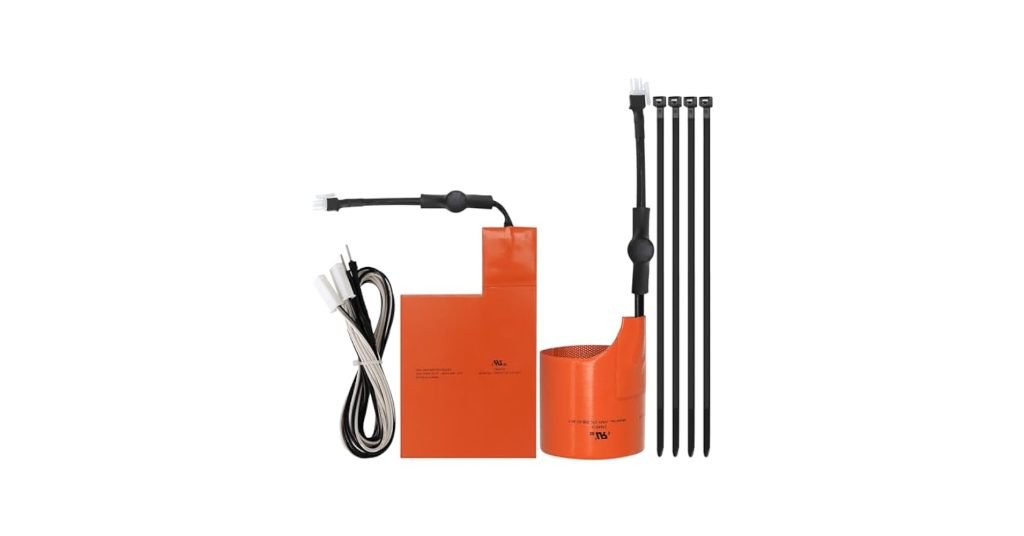
Have you ever wondered if your generator battery can stand up to the challenges of cold weather? Picture this: A sudden power outage hits during a frosty winter night.
You rush to your generator, hoping it will kick in without a hitch. But will your battery be up to the task? Understanding how cold weather affects your generator battery is crucial, not just for peace of mind but also for ensuring that you’re always prepared when the temperatures drop.
We’ll dive into everything you need to know about using a generator battery in cold weather, unraveling myths and providing tips to keep your power source reliable. Stay with us to discover how you can confidently face the chill with your generator battery working at its best.
Generator Batteries And Cold Weather
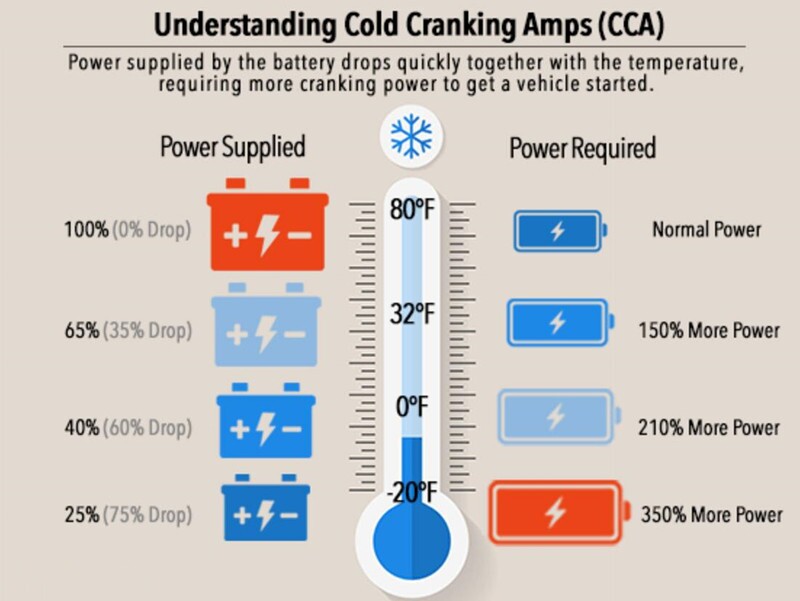
Cold weathermakes generator batteries work harder. The battery’s chemical reactions slow down, causing less power output. This leads to reduced starting abilityfor the generator. Batteries can lose up to 50% of their capacityin freezing temperatures.
Some battery types work better in cold. Absorbed Glass Mat (AGM)and Gel batterieshandle cold well. They have better cold cranking amps (CCA)than regular flooded batteries. Lithium-ion batteries are also good but costlyand need special care.
| Battery Type | Cold Weather Performance | Notes |
|---|---|---|
| Flooded Lead Acid | Low | Prone to freezing and sulfation |
| AGM | High | Resistant to cold and vibration |
| Gel | High | Good deep cycle and cold tolerance |
| Lithium-ion | Very High | Needs temperature control |
Common winter problems include battery freezing, reduced charge acceptance, and corrosion. Low temperatures make battery fluid thicker, causing slow starts. Corrosion on terminals can block power flow. Keeping batteries warm and clean helps maintain power in cold.

Credit: truegear.com.au
Preparing Batteries For Cold Conditions
Storing a generator battery in a dry, cool place is best. Avoid areas with extreme cold or heat. Keep the battery off the ground to stop moisture damage. Cover the battery with a breathable cloth to protect from dust.
Warming the battery before use helps it work better. Use a battery warmer or place it in a warm room for a few hours. Never use an open flame or high heat to warm the battery.
- Check the battery terminals for corrosion and clean them gently.
- Keep the battery fully charged to avoid freezing and damage.
- Test the battery regularly to ensure it holds a charge.
- Use a trickle charger during long cold periods to maintain power.
Using Generator Batteries Safely In Winter
Insulating generator batterieshelps keep them warm and working well in cold weather. Using battery coversor placing batteries in insulated boxes prevents frost damage. Avoid letting cold air hit the battery directly, which can reduce its power and lifespan.
Check battery charge levels oftenduring winter. Cold temperatures can lower battery voltage quickly. Charging the battery fully before the cold season starts helps maintain its strength. Keep a portable chargerhandy for topping up when needed.
- Do not let the battery freeze; frozen batteries can crack.
- Avoid draining the battery completely in cold weather.
- Keep battery terminals clean to ensure good connection.
- Store batteries in a dry place, away from moisture.
Troubleshooting Cold Weather Battery Problems
Battery failuresin cold weather often show as slow engine starts or no start at all. The battery voltagemight drop below normal. Check for corrosionon battery terminals and loose connections. A swollen battery casecan signal internal damage.
Quick fixes include cleaning terminals with a wire brush and tightening connections. Warm the battery using a battery warmeror by moving the generator indoors briefly. Avoid jump-starting if the battery is frozen, as it may crack.
Replace the battery if it:
- Fails to hold charge after charging
- Shows corrosionthat cannot be cleaned
- Has a swollen or cracked case
- Is older than 3-5 years
Upgrading Your Battery For Harsh Winters
Cold-resistant batteriesperform better in low temperatures. They keep power longer and start more easily. Choose batteries with good cold cranking amps (CCA). This ensures strong starts in freezing weather. Lithium batteries stay efficient even in harsh cold. Lead-acid batteries may lose power faster as temperature drops.
| Battery Type | Cold Weather Performance | Cost | Longevity |
|---|---|---|---|
| Lithium | Excellent in cold | Higher upfront cost | Longer lifespan |
| Lead-Acid | Less efficient in cold | Lower upfront cost | Shorter lifespan |
Consider both price and lifespan before buying. A better battery may cost more but lasts longer. This saves money over time. Choose a battery fit for your cold climate needs.
Credit: waltpower.com
Credit: www.generac.com
Frequently Asked Questions
Can Generator Batteries Operate Effectively In Cold Weather?
Yes, generator batteries can work in cold weather but with reduced efficiency. Cold temperatures slow chemical reactions, lowering battery capacity and starting power.
How To Protect Generator Batteries From Freezing?
Keep batteries insulated and stored in warm areas. Use battery warmers or thermal blankets to maintain optimal temperature and prevent freezing.
Does Cold Weather Shorten Generator Battery Life?
Cold weather can reduce battery life by causing sulfation and capacity loss. Proper maintenance and temperature control help extend battery lifespan.
Should I Use A Special Battery For Cold Climates?
Using cold-weather or AGM batteries is recommended as they perform better in low temperatures, providing reliable starting power and longer life.
Conclusion
Generator batteries can work in cold weather with proper care. Cold can reduce battery power and make starting harder. Keep the battery warm and check it often. Use a battery designed for low temperatures when possible. Regular maintenance helps the battery last longer and perform well.
Don’t let the battery freeze or stay unused for long. Simple steps can keep your generator ready all winter. Cold weather is tough, but your battery can handle it.