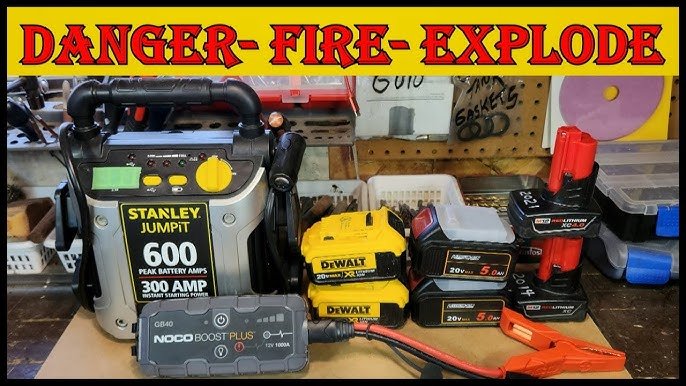
Imagine the unsettling sound of a loud pop followed by a cloud of smoke. It’s the kind of scenario that could make your heart skip a beat.
You rely on your generator to keep your home or business running smoothly during power outages. But have you ever stopped to think about the safety of its battery? You might not have given it much thought, but yes, a generator battery can explode under certain conditions.
And understanding why this happens could be crucial for your safety. Why take chances when you can be proactive? You’ll discover the factors that can lead to a battery explosion, how to spot the warning signs, and what you can do to prevent such a dangerous situation. Stick around, because ensuring the safety of your generator could mean the difference between peace of mind and an unexpected disaster. Don’t let ignorance catch you off guard—knowledge is your best defense.
Credit: www.tycorunenergy.com
How Generator Batteries Work
Generator batteries store electrical energy to start the engine. They provide a quick burst of power needed for ignition. These batteries vary by typeand chemistry, affecting their performance and lifespan.
| Type | Battery Chemistry | Use |
|---|---|---|
| Lead-Acid | Lead dioxide and sponge lead plates | Common for large generators |
| Lithium-Ion | Lithium compounds | Lightweight, used in portable generators |
| Nickel-Cadmium (NiCd) | Nickel oxide hydroxide and cadmium | Durable, but less common now |
The chargingprocess restores battery power by converting electrical energy to chemical energy. The dischargingprocess releases this stored energy to power the starter motor.

Credit: www.bluettipower.com
Causes Of Battery Explosions
Overcharginga generator battery can cause it to heat up. This heat builds pressure inside the battery. Too much pressure might lead to an explosion. Chargers that do not stop at full charge are risky.
Short circuitshappen when wires inside the battery touch wrongly. This creates sparks that can ignite gases inside the battery. Sparks are very dangerous for battery safety.
Physical damagelike cracks or dents weakens the battery case. Damaged batteries can leak acid or gases. This damage makes explosion more likely. Old batteries also wear out and become unsafe.
Environmental factorssuch as very high temperatures or direct sunlight increase battery risk. Batteries kept in hot places can build extra pressure. Cold weather can also harm battery parts and cause failure.
Signs Of A Faulty Generator Battery
Unusual smellsnear the generator battery often mean a problem. Acid leaks can cause a sharp, sour smell. Check for any wet spots or drips that could signal a leak.
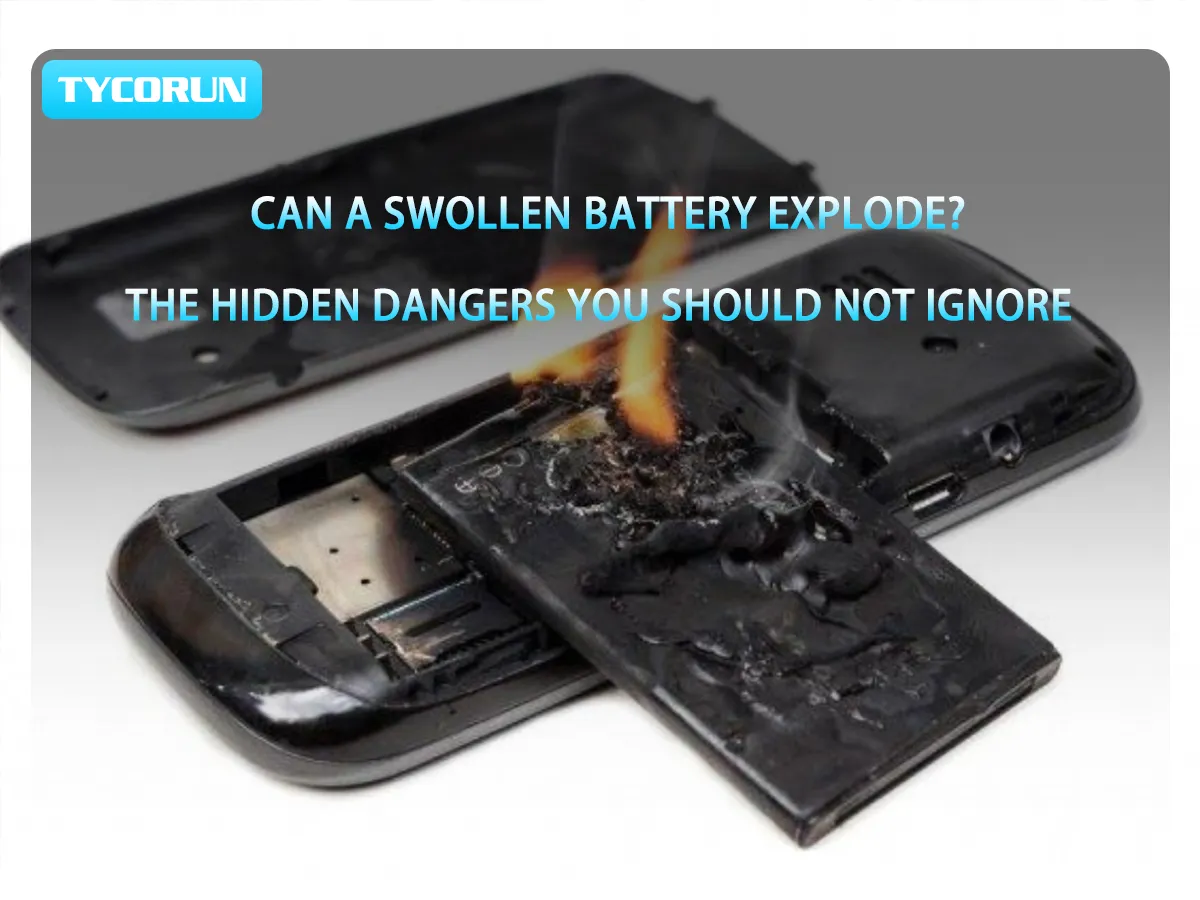
A battery that looks swollen or bulgingis unsafe. This happens from gas build-up inside. It can lead to battery damage or even explosion.
Corrosion and ruston battery terminals stop power flow. White or green powder around connections shows corrosion. Clean it carefully to keep the battery working well.
Performance issueslike slow starts or low power may come from a bad battery. A weak battery can cause the generator to stop or not start at all.
Safety Precautions To Prevent Explosions
Proper Installation Tipsinclude placing the battery on a flat, stable surface. Ensure good ventilation around the battery to avoid gas build-up. Connect terminals tightly to prevent sparks. Use only the correct type of battery for your generator model.
Regular Maintenance Practicesinvolve checking battery fluid levels often. Clean terminals to stop rust and corrosion. Inspect cables for cracks or damage. Replace old batteries to avoid leaks or explosions.
Safe Charging Proceduresmean using the right charger and following the manufacturer’s instructions. Never overcharge the battery. Charge in a well-ventilated area to let gases escape safely. Disconnect the charger once the battery is full.
Storage Recommendationssuggest keeping batteries in a cool, dry place. Avoid direct sunlight or heat sources. Store batteries upright to prevent leaks. Check battery charge regularly during long storage periods.
What To Do If A Battery Shows Warning Signs
Stop using the generatorimmediately if the battery shows signs of damage. Signs include swelling, leaking, or strange smells. Move the battery to a safe, ventilated areaaway from flames or sparks. Avoid touching leaking fluid with bare hands. Wear gloves if possible.
Check the battery regularly for any corrosion or cracks. Use a voltage tester to see if the battery still holds charge. Never attempt to recharge a battery that looks damaged or overheated.
- Replace the battery if it fails to hold charge.
- Change it if it shows physical damage like swelling or cracks.
- Buy a battery that matches the generator’s specifications.
In case of battery explosion or fire, keep a fire extinguishernearby. Use a class B or C extinguisher for electrical fires. Do not use water on battery fires. Call emergency services if the situation worsens or if you feel unsafe.

Credit: www.youtube.com
Myths About Generator Battery Explosions
Many people think a generator battery can explodeeasily. The truth is, explosions are very rare. Batteries only explode if they are damaged, overcharged, or short-circuited. Most generator batteries have safety featuresto prevent this.
Some believe batteries explode just by sitting unused. This is not true. Proper care and regular checks keep batteries safe. Avoiding overchargingand using the right chargerlowers risks greatly.
| Myth | Fact |
|---|---|
| Batteries explode without warning. | They usually show signs like swelling or leaking first. |
| All generator batteries are dangerous. | Safe use and maintenance make them reliable. |
| Any charger can be used for generator batteries. | Using the correct charger is essential to avoid damage. |
Frequently Asked Questions
Can A Generator Battery Really Explode?
Yes, a generator battery can explode if it is overcharged, damaged, or improperly maintained. Gas buildup inside the battery may ignite, causing an explosion.
What Causes Generator Battery Explosions?
Generator battery explosions are usually caused by overcharging, short circuits, or physical damage. Improper ventilation can also lead to dangerous gas accumulation.
How To Prevent Generator Battery Explosions?
Regularly check and maintain your generator battery. Avoid overcharging, ensure proper ventilation, and replace damaged batteries promptly to prevent explosions.
Are All Generator Batteries Prone To Explosions?
No, not all generator batteries are prone to explosions. Proper handling and maintenance significantly reduce the risk, regardless of battery type.
Conclusion
Generator batteries can explode if not handled properly. Always check for damage and leaks regularly. Avoid overcharging or exposing batteries to heat. Use the correct charger and follow safety instructions carefully. Proper care keeps you safe and extends battery life.
Stay alert and take simple steps to prevent accidents. Safety matters when working with generator batteries. Protect yourself and your equipment by staying informed.