Have you ever found yourself in the dead of winter, power out, desperately needing your generator to kick into action? The last thing you want is to discover that your generator won’t start because the battery has frozen.
It’s a common problem that many people face when temperatures drop. But why does this happen, and more importantly, how can you prevent it? We’ll uncover the reasons behind a frozen generator battery and share practical tips to ensure your generator is always ready when you need it most.
Keep reading to protect your peace of mind and ensure warmth and light for your home this winter.

Credit: ipowerqueen.com
Generator Batteries And Cold Weather
Cold weathercan slow down a generator battery’s performance. Batteries work by chemical reactions inside them. When it gets too cold, these reactions happen more slowly. This means the battery gives less power and may not start the generator well.
Freezing can damage the battery by expanding the liquid inside. If the battery freezes, it may crack or leak acid. This damage can make the battery useless and unsafe.
- Battery is hard to start or does not start at all.
- Voltage drops quickly after charging.
- Battery case looks swollen or cracked.
- Battery feels very cold to the touch.
- Corrosion or leaks around battery terminals.
Factors Leading To Battery Freezing
Battery charge levelplays a big role in freezing risk. A fully charged batteryis less likely to freeze. Low charge means more chance of freezing because the battery’s liquid can turn to ice faster.
Older batteriesor those in poor condition freeze easier. Over time, batteries lose their ability to hold charge. This makes them weak and more prone to freezing in cold weather.
| Environmental Condition | Effect on Battery |
|---|---|
| Extreme Cold | Increases risk of battery freezing and damage |
| Moisture and Snow | Can cause corrosion and affect battery life |
| Temperature Fluctuations | Stress battery materials and lower performance |
Preventing Battery Freeze
Store your generator battery in a cool, dry place. Avoid spots where temperatures drop below freezing.
Use battery warmersor insulated covers to keep batteries warm during cold nights. These help stop the battery from freezing.
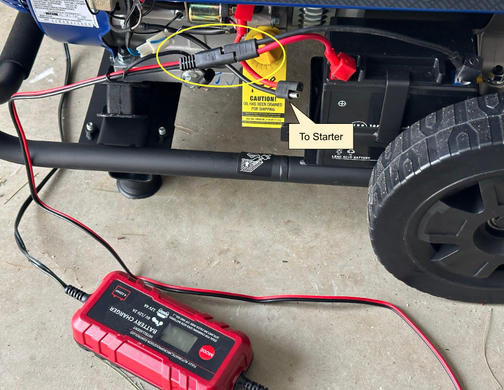
Keep the battery charged at all times. A full charge lowers the chance of freezing. Check battery levels often.
- Place battery inside insulated box or wrap with thick cloth
- Use electric warmers designed for batteries
- Regularly check and maintain battery charge
Credit: www.renogy.com
Safe Handling Of Frozen Batteries
Frozen batteries need careful handlingto avoid damage. Start by moving the battery to a warm place. Do not use direct heat like a hairdryer or flame. This can cause cracks or leaks.
Let the battery thaw slowlyat room temperature. Check for any signs of damage before use. Always wear gloves and eye protectionwhile handling the battery.
Keep the battery uprightto prevent acid spills. Avoid shaking or dropping the battery. After thawing, test the battery’s voltage to ensure it works well.
- Move battery to warm area
- Avoid direct heat sources
- Wear safety gear
- Keep battery upright
- Test battery voltage after thawing
Choosing The Right Battery For Cold Climates
Generator batteries can freeze in very cold weather, which may damage them. Choosing batteries designed for low temperatures helps keep your generator working well. Proper insulation and storage also protect batteries from freezing.
Types Of Batteries Resistant To Freezing
- AGM (Absorbent Glass Mat) batterieswork well in cold weather. They hold charge and resist freezing better than others.
- Gel batteriesuse gel electrolyte. This prevents freezing and helps batteries last longer in winter.
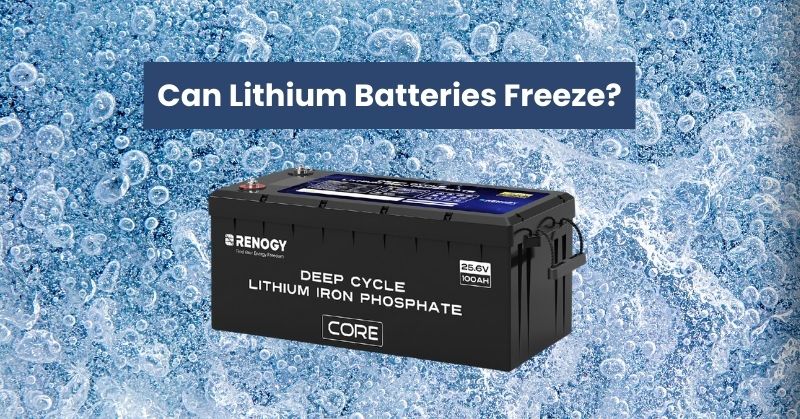
- Lithium-ion batteriesperform well in low temperatures. They stay functional without freezing.
Features To Consider For Winter Use
- Cold Cranking Amps (CCA)rating shows how well battery starts engines in cold.
- Sealed designsavoid moisture and ice buildup inside battery.
- Maintenance-free batteriesreduce risk of damage from freezing fluids.
- Proper insulationand battery warmers help keep temperature steady.

Credit: www.nytimes.com
Routine Maintenance For Winter Protection
Generator batteries can freeze in very cold weather, causing damage and failure. Regular maintenance helps keep batteries charged and protected from freezing temperatures. Checking battery health and storing it properly prevents winter issues.
Regular Inspection And Testing
Check the battery often during cold months. Look for cracks or leaks on the battery case. Test the battery voltage using a multimeter. A healthy battery should show around 12.6 voltsor more. Low voltage means the battery may freeze easier. Keep the battery fully charged to stop freezing. Cold weather makes batteries weaker and slow to start.
Cleaning And Securing Battery Connections
Dirty or loose battery connections cause starting problems. Clean the terminals with a wire brush to remove dirt and corrosion. Use a mixture of baking soda and water to neutralize acid. Dry the terminals well before reconnecting. Tighten the clamps so they don’t move. Secure connections help the battery work better in cold weather.
Frequently Asked Questions
Can Generator Batteries Freeze In Cold Weather?
Yes, generator batteries can freeze if temperatures drop below freezing. Low electrolyte levels increase freezing risk. Proper maintenance and insulation help prevent freezing damage.
What Happens If A Generator Battery Freezes?
A frozen battery may crack or leak acid, causing permanent damage. It loses charging ability and can fail to start the generator. Immediate thawing and inspection are necessary to avoid further issues.
How To Prevent Generator Battery Freezing?
Keep batteries fully charged and electrolyte levels topped up. Store batteries in insulated, temperature-controlled areas during winter. Use battery warmers or blankets for added protection in extreme cold.
Can Frozen Generator Batteries Be Repaired?
Frozen batteries often suffer irreversible damage. Thawing can restore temporary function but cracks or leaks reduce lifespan. Replacing the battery is usually the best solution for reliability.
Conclusion
Generator batteries can freeze in very cold weather. Frozen batteries lose power and may stop working. Protect batteries by keeping them warm and dry. Check battery charge often in winter months. Use insulated covers or store batteries indoors. Taking simple steps helps your generator stay ready.
Avoid battery damage and ensure your power source lasts. Stay prepared for cold weather without battery worries.