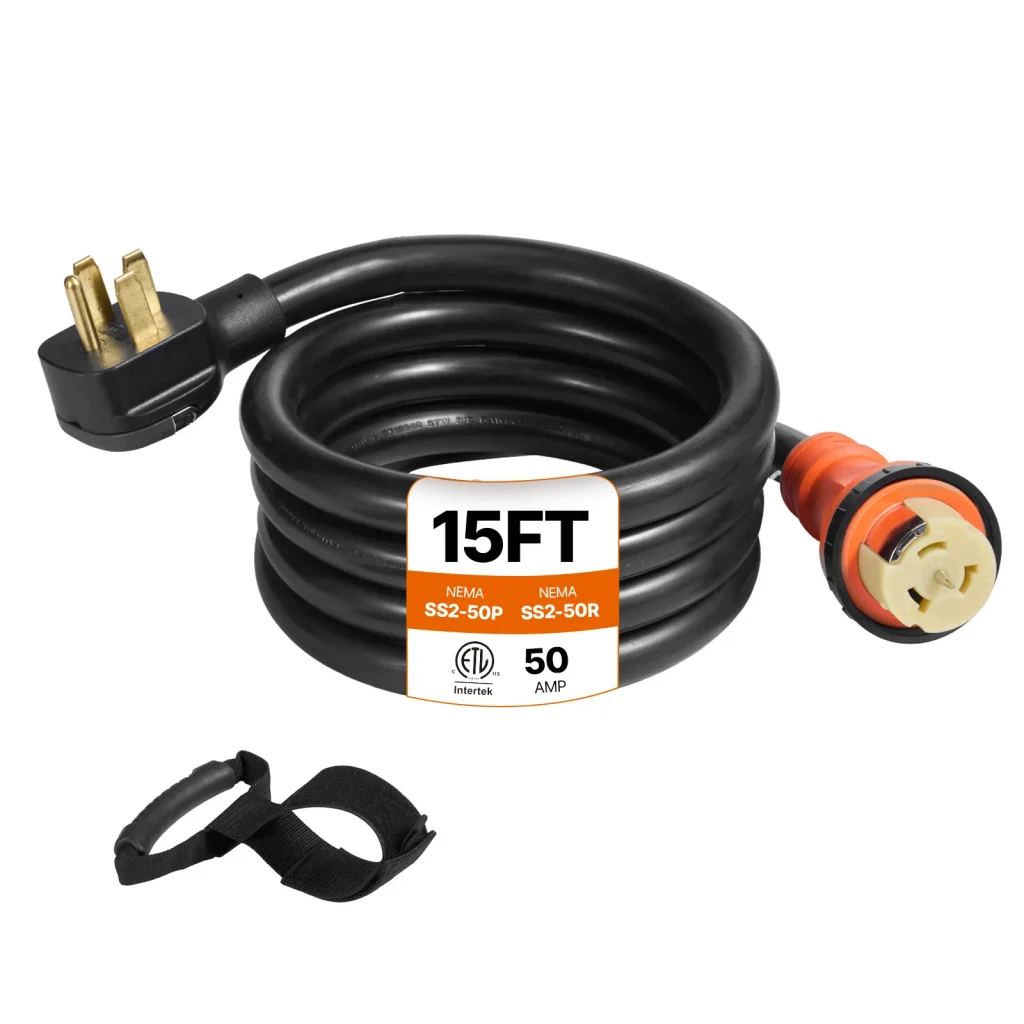
Are you wondering if a generator cord can power multiple generators? You’re not alone.
Many people like you are trying to find the most efficient way to keep their homes or businesses running smoothly during power outages. Imagine being able to connect multiple generators with just one cord, saving time, effort, and money. It sounds like a dream come true, right?
But before you jump into action, there are crucial factors you need to consider to ensure safety and efficiency. We’ll unravel the mystery and provide you with clear, actionable insights. Get ready to discover whether your generator cord can handle the job and how you can make the most of your power solutions. Keep reading to find out more!
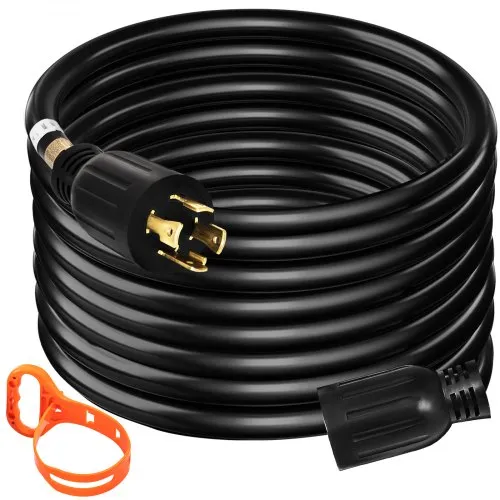
Credit: www.vevor.ca
Generator Cord Basics
Generator cords come in different typesto fit various needs. Some cords are made for small generators, while others suit large, powerful units. Choosing the right cord is important for safety and performance.
Each cord has a ratingthat shows how much power it can carry safely. Using a cord with too low a rating can cause overheatingor even fires. Check the cord’s rating before connecting it to your generator.
| Type of Cord | Typical Use | Power Rating (Amps) |
|---|---|---|
| Light Duty | Small generators, household tools | 10-15 |
| Medium Duty | Medium-sized generators, appliances | 15-30 |
| Heavy Duty | Large generators, industrial use | 30+ |

Credit: woodstockpower.com
Running Multiple Generators
Running multiple generatorsrequires careful setup. Using a single generator cord to connect more than one generator is not safeand can cause damage or injury. Generators need to be connected in parallel operationto share power correctly. This means they must be linked with a special parallel kit made for that purpose.
Parallel operation lets two generators work together. They share the load and provide more power. Both generators run at the same speed and voltage. The parallel kit controls this so power is balanced and safe.
| Cable Connection | Purpose | Important Note |
|---|---|---|
| Single Generator Cord | Connects one generator to devices | Not for multiple generators |
| Parallel Kit Cables | Links two generators for parallel use | Must match generator models |
| Heavy-Duty Extension Cords | Connects generators to load or transfer switch | Use correct gauge and length |
Safety Concerns
Using one generator cord for multiple generatorscan cause overloading risks. Each generator has a maximum power limit. Exceeding this limit may lead to cord overheatingand fire hazards. Overloading also damages your generators and connected devices.
Electrical hazards include electric shocksand short circuits. Poorly connected cords increase these risks. Always inspect cords for damage and use cords rated for your generators.
Proper grounding is essential for safety. Grounding prevents electric shockand equipment damage. Use grounding rods or connect to a grounded outlet. Never skip grounding steps to avoid accidents.
Cord Limits And Specifications
Generator cordshave limits on how much power they can carry safely. Each cord has a maximum load capacitymeasured in amps or watts. Exceeding this limit can cause overheating or damage.
Using one cord for multiple generatorsis risky because the combined load may go beyond the cord’s capacity. It is best to check the cord’s rating before connecting more than one generator.
| Cord Gauge | Maximum Load (Amps) | Recommended Use |
|---|---|---|
| 16 Gauge | 10-13 | Small tools, light loads |
| 14 Gauge | 15-20 | Medium loads, household devices |
| 12 Gauge | 20-25 | Larger tools, heavy equipment |
Long cords can cause voltage drop. This means less power reaches the generator or devices. Keep cords as short as possible to avoid power loss and overheating.
Best Practices
Selecting the right cordis key for running multiple generators safely. Use cords with high power ratingsthat match or exceed the total generator load. Avoid cords with visible damageor fraying. Choose cords with proper insulationto prevent electrical hazards.
Regular inspection and maintenance keep cords in good condition. Check for cuts, cracks, or worn plugs. Clean cords to avoid dirt buildupthat may cause overheating. Replace any cord that shows signs of wearor damage.
- Keep cords dry and away from water
- Do not overload the cord beyond its capacity
- Do not connect cords through sharp edges or heavy traffic areas
- Unplug cords by the plug, not the cord itself

Credit: www.vevor.ca
Frequently Asked Questions
Can One Generator Cord Run Multiple Generators?
No, a single generator cord cannot safely run multiple generators. Each generator requires its own dedicated cord for proper power transfer and safety.
What Risks Come From Using One Cord For Multiple Generators?
Using one cord for multiple generators risks electrical overload, fire hazards, and equipment damage. It can cause unsafe power surges and connection failures.
How Do I Safely Connect Multiple Generators?
Use separate cords for each generator and a proper transfer switch. This ensures safe power distribution and prevents electrical hazards or damage.
Are Special Cords Needed For Multiple Generators?
Yes, heavy-duty cords rated for the generator’s output are necessary. Using the right cords prevents overheating and ensures efficient power transfer.
Conclusion
Using one generator cord to run multiple generators is not safe or wise. Each generator needs its own proper connection for power and safety. Sharing cords can cause overloads, damage, or even fire. Always check the generator’s manual for correct setup.
Keep safety first to avoid accidents and equipment problems. Proper wiring helps your generators work well and last longer. Remember, a simple setup keeps everything running smooth and secure. Choose the right cord for each generator to protect your home and devices.