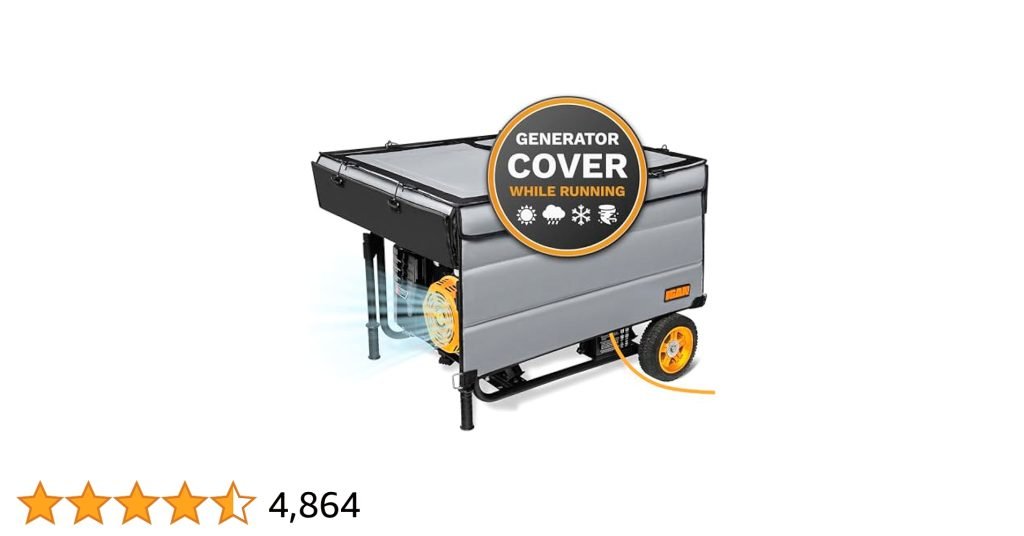
Are you worried about your generator getting buried under heavy snow during winter? Snow buildup can cause serious problems, from making it hard to start your generator to damaging its parts over time.
You might be wondering if using a generator cover is the simple solution you need to keep your equipment safe and ready to go. You’ll discover how a generator cover works against snow accumulation and whether it’s really worth using.
Keep reading to find out how you can protect your generator and avoid costly repairs this snowy season.

Credit: www.amazon.ca
Snow Impact On Generators
Snowcan cause many problems for generators. It can block air vents and stop the engine from cooling properly. This may lead to overheatingand damage.
Snow can also make it hard for the generator to start. Wet snow can freeze and make parts stick or become slippery. This can stop the generator from working well.
- Blocked airflowcauses overheating.
- Frozen parts may stop the generator.
- Snow buildup adds weight and pressure.
- Wet snow can cause electrical issues.
Role Of Generator Covers
Generator covershelp protect generators from snow and ice. They stop snow from piling up and keep the generator dry. This can prevent damage and make starting the generator easier in cold weather.
Different types of coversoffer various levels of protection:
- Hard coversare made from plastic or metal. They are strong and block snow well.
- Soft coversuse waterproof fabric. They are easy to put on and remove but less sturdy.
- Custom coversfit specific generator models for better protection.
Materialsshould be waterproof and durable. Designs with vents help stop moisture buildup inside. Covers with secure fasteners prevent wind from blowing them away.
Effectiveness Against Snow
Generator coverscreate a barrier that stops snow from settling directly on the machine. They block snowflakes and ice from piling up, keeping the generator cleaner and easier to use. The cover also protects from wind-driven snow, which can clog parts and cause damage.
Snow buildup on a generator can cause trouble. A cover helps by shedding most snow off its surface. It also slows down ice formation, which can freeze moving parts and affect performance. This protection makes the generator last longer and work better in winter.
| Limitations of Using Covers | Explanation |
|---|---|
| Not fully waterproof | Some covers may let moisture through, risking rust or damage. |
| Snow can pile around base | Snow may still build up around the generator’s base, causing issues. |
| Wind can blow off covers | Strong winds might move or remove covers if not secured well. |
| Needs regular removal | Snow must be cleared from cover surface to avoid damage. |

Credit: www.amazon.ca
Installation Tips
Place the generator cover where snow can easily slide off. Avoid spots under heavy tree branches that drop snow or ice. Choose a flat surface to keep the cover steady. Make sure the cover fits well to block snow from entering.
Use strong ties or straps to keep covers in place during strong winds. Check the cover often to tighten loose parts. Heavy snow or wind can blow covers away if not secured well. Weights or sandbags can help hold the cover down. Keep vents clear for proper air flow, even with the cover on.
Maintenance Strategies
A generator cover can help reduce snow buildup on your generator. Regular snow removal is still very important. Snow can get heavy and damage the cover or the generator underneath. Clearing snow often keeps the generator safe and working well.
Checking the cover for any tears or holes is key. Damaged covers let snow and moisture in. This can cause rust or electrical problems. Fix small tears quickly to stop bigger damage. Choose a cover made from strong, waterproof material for best protection.
- Remove snow gently to avoid damaging the cover.
- Check the cover after every snowstorm.
- Look for holes, tears, or loose parts.
- Replace or repair the cover if needed.
Alternative Solutions
Shelters and enclosuresprovide strong protection against snow. They keep the generator dry and free from heavy snow buildup. These structures are usually made from metal, plastic, or wood. They block wind and snow from reaching the machine.
Heated generator options help avoid freezing and snow buildup. These generators come with built-in heaters or heating pads. The heat melts snow and ice on contact. This keeps the generator ready to use at all times.
| Solution | Benefits | Considerations |
|---|---|---|
| Shelters and Enclosures | Keeps snow off and protects from wind | Needs space and may cost more upfront |
| Heated Generators | Prevents snow and ice buildup automatically | Uses extra energy and can be pricier |
Safety Precautions
Carbon monoxideis a deadly gas that can build up near generators. Never run a generator inside a house or garage. Always place it outside, far from doors and windows.
Keep the area around the generator clear to allow fresh airto flow freely. This helps stop carbon monoxide from collecting. A generator cover can help protect from snow, but it must not block airflow.
Check the exhaust direction and keep it away from places where people stay. Using carbon monoxide detectors near the generator area adds an extra layer of safety.
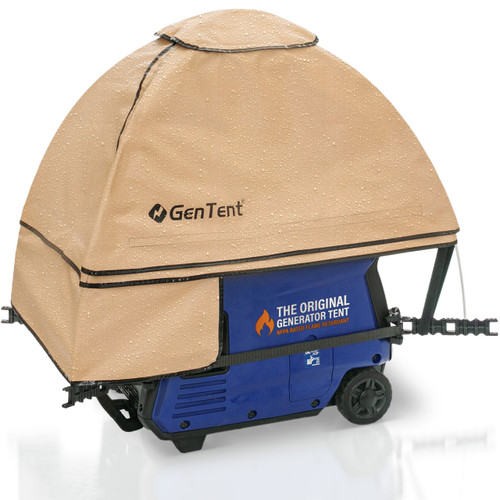
Credit: www.totalhomesupply.com
Frequently Asked Questions
How Does A Generator Cover Prevent Snow?
A generator cover acts as a shield against snow, preventing accumulation on the generator. Made from weather-resistant materials, it offers protection from moisture and debris. By keeping snow away, it ensures the generator’s components remain dry and functional, reducing potential damage and maintaining efficiency during snowy conditions.
Are Generator Covers Waterproof?
Yes, many generator covers are waterproof. They are designed to repel moisture and shield the generator from rain, snow, and ice. Waterproof covers help in maintaining the generator’s longevity by preventing water ingress, which could lead to corrosion or electrical issues over time.
Can Snow Damage A Generator?
Yes, snow can potentially damage a generator. Accumulated snow can lead to moisture buildup, causing rust and electrical problems. It can also block ventilation, leading to overheating. Using a protective cover or enclosure helps to mitigate these risks and ensure optimal performance during winter.
What Materials Are Best For Generator Covers?
Generator covers should be made from durable, weather-resistant materials like polyester or vinyl. These materials offer protection against harsh weather conditions, including snow, rain, and UV rays. Ensure the cover is breathable to prevent condensation, which can cause internal damage to the generator.
Conclusion
A generator cover can help stop snow from piling up on your machine. It keeps the generator dry and safe from cold weather. Snow and ice can cause damage or make it hard to start. Using a cover saves time and effort in cleaning snow off.
Always pick a cover that fits well and is made for outdoor use. Protecting your generator means it works better when you need it most. Simple steps like this keep your power source ready all winter long.