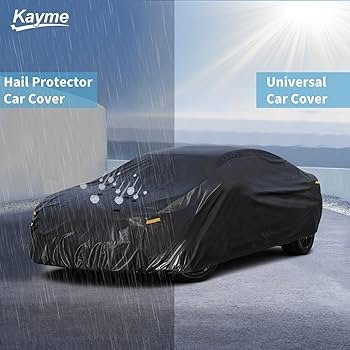
Imagine this: a storm rolls in, the wind picks up, and suddenly, hailstones start pounding everything in sight. Your car is safely tucked away in the garage, but what about your generator outside?
Is it protected from this icy onslaught? You might wonder if your generator cover can truly stand up to the battering of hail. This concern isn’t just about protecting an investment; it’s about ensuring your backup power source remains reliable when you need it most.
You’re not alone in asking this question. Many people, like you, want peace of mind knowing their generator can withstand the elements, especially when unpredictable weather strikes. We’ll explore the resilience of generator covers against hail and what you can do to ensure your equipment stays safe. Stick with us as we uncover crucial insights that might just save you from costly repairs or replacements.

Credit: www.gothicarchgreenhouses.com
Hail Damage Risks
Hail can cause serious damageto generators and their covers. The size and speed of hailstones affect the damage level. Smaller hail may only leave dents, while larger hail can crack or break covers.
Generator parts made of plastic or thin metal are the most at risk. The cover protects the engine, fuel tank, and control panel. A damaged cover can expose these parts to weather and dirt, leading to more problems.
| Type of Hail Impact | Possible Damage |
|---|---|
| Small Hail (under 1 inch) | Dents and minor scratches on the cover |
| Medium Hail (1-2 inches) | Cracks or holes in cover; possible damage to exposed parts |
| Large Hail (over 2 inches) | Severe cover damage; risk to engine and control panel |
- Plastic coverscrack easily under strong hail.
- Metal coversmay dent but offer better protection.
- The control panelis fragile and can stop working if hit.
- Fuel tankscan leak if damaged.

Credit: www.amazon.com
Materials For Hail Resistance
Durable coversprotect generators from hail damage effectively. Materials like heavy-duty polyesterand vinylare common choices. These fabrics resist punctures and tears well. Some covers have reinforced stitchingto improve strength. Covers with thick layersabsorb the impact of hail better than thin ones.
Protective coatingsadd extra defense. A waterproof layerkeeps moisture out, preventing rust. Special coatings can make the cover hail-resistantby hardening the surface. UV protectionalso helps covers last longer in the sun.
| Material | Benefit |
|---|---|
| Polyester | Strong and tear-resistant |
| Vinyl | Waterproof and durable |
| Reinforced stitching | Increases cover strength |
| Protective coatings | Enhance hail and UV resistance |
Design Features For Protection
Strong materials and thick padding help generator covers resist hail damage. Designs often include impact-absorbing layers to protect against heavy hailstones. Good covers fit tightly, preventing dents and scratches during storms.
Reinforced Structures
Generator covers often use strong metal framesto resist hail damage. These frames keep the cover from breaking under pressure. Some covers include extra layers of steelor heavy-duty plasticto add more protection. The structure is made to absorb the impact and stop dents or holes.
Weatherproof Seals
Seals on generator covers are made to keep out rain, snow, and hail. They use rubber or silicone gasketsto close gaps tightly. This stops water and small hailstones from entering. These seals also help keep the generator dry and working well in bad weather.
Testing And Standards
Impact resistance ratingsshow how well generator covers handle hail. These ratings test the cover’s strength against objects hitting it hard. Covers with high ratings can stop hail from making holes or cracks.
Tests use different sizes of hail or balls dropped on the cover at set speeds. This simulates real hail impact. Materials like thick plastic or metal usually score better.
| Rating | Hail Size | Impact Speed | Material Strength |
|---|---|---|---|
| Class 1 | 1 inch | 10 mph | Low |
| Class 2 | 1.5 inch | 15 mph | Medium |
| Class 3 | 2 inch | 20 mph | High |
Certification processes check if covers meet standards. They test durability, water resistance, and impact protection. Certified covers give peace of mind during storms.
Installation Tips
Place the generator cover so it fully protects the unit from above. Make sure the cover does not touch the generator directly. This helps avoid scratches and dents during hail. Leave some space for air to flow. Proper air flow prevents heat build-up under the cover.
Secure the cover well to stop it from flying away in strong wind. Use straps or tie-downs around the base. Check the cover often and tighten the straps as needed. A loose cover can get damaged or let hail inside.
- Check the cover fits the generator size.
- Keep the cover clean and dry.
- Use wind-resistant clips or cords.
- Store the generator in a shaded area if possible.
Maintenance For Longevity
Regular inspections keep the generator cover safe and strong. Check the cover for any cracks, holes, or tears. Small problems can grow bigger if left alone. Look closely after bad weather, especially hailstorms. Catching damage early saves money and effort later.
Repair damage quickly to avoid bigger issues. Use patch kits or waterproof tape for small holes. Replace parts that are torn or missing. Fixing damage helps the cover protect the generator well. A good cover keeps water, dirt, and hail away.
Alternative Protection Methods
Shelters and enclosuresoffer strong protection for generators. They shield against hail and other weather elements. These structures are usually made of metal or heavy plastic. They can be custom-built or bought ready-made.
Temporary covers are a quick solution. They include thick tarps or padded blankets. These covers absorb the impact of hail stones. They are easy to put on and remove. But they do not offer as much protection as shelters.
| Protection Type | Material | Benefits | Limitations |
|---|---|---|---|
| Shelters and Enclosures | Metal, Heavy Plastic | Strong, Durable, Long-term | Costly, Less Portable |
| Temporary Covers | Thick Tarps, Padded Blankets | Affordable, Easy to Use | Less Protection, Short-term |

Credit: www.amazon.com
Frequently Asked Questions
Can A Generator Cover Protect Against Hail Damage?
Yes, a quality generator cover can protect against hail damage. It acts as a shield, absorbing impact and preventing dents or cracks on the generator surface.
What Materials Make Generator Covers Hail-resistant?
Hail-resistant generator covers are made from durable materials like heavy-duty vinyl or reinforced polyester. These materials offer strong impact resistance and weather protection.
How Thick Should A Generator Cover Be To Withstand Hail?
A generator cover with a thickness of at least 0. 5 mm provides good protection against hail. Thicker covers absorb impact better, reducing damage risks.
Can A Generator Cover Prevent Internal Damage From Hail?
While a cover protects the exterior, it may not fully prevent internal damage. Proper housing and placement are also essential for internal component safety.
Conclusion
A good generator cover can protect against hail damage. It keeps your generator safe from heavy rain and strong winds too. Choose a cover made from tough, weather-resistant material. Make sure it fits well and covers all parts. Regularly check the cover for any holes or tears.
This simple step helps your generator last longer. Protect your investment with the right cover. Stay prepared for storms without worry. Safety and durability go hand in hand. A small effort now saves big repair costs later.