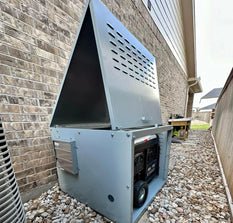
Have you ever wondered if your generator enclosure can be customized to fit your unique needs? You’re not alone.
Many people like you are discovering the benefits of tailoring their generator enclosures to better suit their specific requirements. Whether it’s about improving aesthetics, enhancing functionality, or boosting durability, customizing your generator enclosure can offer numerous advantages. But how exactly can this be done, and what should you consider before making changes?
Stick around as we dive into the possibilities and help you make the best decision for your setup. Your perfect generator enclosure might just be a few adjustments away.
Credit: mericametal.com
Benefits Of Custom Generator Enclosures
Custom generator enclosuresoffer several benefits that improve their function and appearance. They provide enhanced protectionby shielding the generator from weather, dust, and debris. This keeps the machine safe and working longer.
Noise reduction is another key benefit. Custom enclosures use materials and design to lower sound levels. This makes the generator quieter and less disturbing to people nearby.
Ventilation is optimizedin a custom enclosure. Proper airflow helps keep the generator cool. This prevents overheating and improves performance.
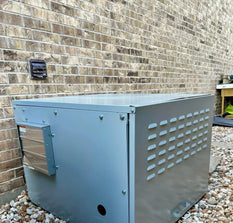
Finally, these enclosures allow for better aesthetic integration. They can match the style and color of the building or surroundings. This makes the generator look neat and less obtrusive.

Credit: www.andersenmp.com
Materials For Custom Enclosures
Custom generator enclosures use different materialsfor strength and protection.
Steelis strong and durable. It protects well from impacts and weather. Galvanized steel stops rust, lasting longer outdoors.
Aluminumis light and resists rust. It is easy to move and install. Good for areas with high moisture.
Composite materialsmix plastics and fibers. They are strong, light, and resist corrosion. These materials can be shaped easily.
Weather-resistant coatingshelp protect any enclosure. They stop rust, water, and sun damage. Powder coating is common and lasts long.
Design Features To Consider
Generator enclosures can be customizedto fit specific needs. Size and shape can be adjusted to match the generator and space available. This helps in efficient placementand use of space.
Access and maintenance panels are important. They allow easy entry for repairs and checks without removing the entire enclosure. This saves timeand effort.
Cooling and ventilation systems keep the generator from overheating. Proper airflow is essential to maintain the generator’s performance. Custom vents or fans can be added to improve cooling.
Soundproofing elements reduce noise. Different materials can be used to make the enclosure quieter. This is useful for installations near homes or offices.
Customization Process Steps
Assessing generator requirementsmeans checking size, power, and noise limits. This helps decide the enclosure’s shape and material. Safety needs and weather conditions are also important.
Consulting with manufacturerslets you share your needs and ask questions. They give advice on options and costs. Clear communication ensures the enclosure fits well.
Design drafting and approvalinvolves creating a detailed plan. You can see the shape, size, and parts. Approving the design means it meets your needs and rules.
Fabrication and installationstarts after design approval. Skilled workers build the enclosure carefully. Installation places it securely near the generator for best use.
Common Customization Challenges
Customizing generator enclosures often faces challenges like fitting specific sizes and meeting noise reduction needs. Balancing weather protection with ventilation can also be tricky during modifications.
Budget Constraints
Customizing a generator enclosure can be costly. Many times, the budget limitsthe choice of materials and design. This means some features may be left out to stay within budget. Planning carefully helps avoid unexpected expenses.
Material Availability
The right materialsmay not always be easy to find. Some special metals or coatings take time to source. This can delay the project or increase costs. Local availability is important to keep the work on track.
Compliance With Regulations
Enclosures must follow local laws and safety rules. These rules protect people and the environment. Meeting these standards can limit design options. It is important to check all regulations early in the process.
Balancing Functionality And Design
The enclosure must be both useful and good-looking. Sometimes, a very stylish design can reduce practical use. Finding the right balance keeps the generator safe and easy to access. Practical features should not be ignored for style.
Maintenance Tips For Custom Enclosures
Regular inspectionshelp spot problems early. Check for rust, cracks, or loose parts. Keep an eye on seals and hinges to ensure they work well.
Cleaning and upkeepkeep the enclosure looking good and working properly. Remove dirt and debris often. Use mild soap and water. Avoid harsh chemicals that can harm the surface.
Repairing damagesquickly stops small issues from growing. Fix dents, scratches, and broken locks as soon as noticed. This protects the generator inside and keeps the enclosure safe.
Updating featureskeeps the enclosure useful. Add vents or fans to improve airflow. Upgrade locks for better security. Change paint or covers to match new needs.
Case Studies Of Custom Enclosures
Custom generator enclosures fit many needs. In residential areas, they blend with home styles. Quiet designs keep noise low. Weatherproof materials protect from rain and snow.
In commercial places, enclosures must be strong and safe. They often include locks and vents for safety. Sizes vary to match business power needs.
| Industrial Use | Custom Features |
|---|---|
| Factories and plants | Extra cooling, heavy-duty doors, noise reduction |
| Construction sites | Portable designs, dust protection, impact resistance |
| Remote locations | Solar panels, extra batteries, weatherproofing |

Credit: www.enerconpower.com
Frequently Asked Questions
Can Generator Enclosures Be Custom Designed?
Yes, generator enclosures can be custom designed to fit specific size, material, and ventilation needs. Customization ensures optimal protection and performance.
What Materials Are Used For Custom Generator Enclosures?
Custom enclosures use steel, aluminum, or composite materials. These provide durability, weather resistance, and noise reduction tailored to your requirements.
How Does Customization Improve Generator Performance?
Customization enhances airflow, noise control, and weather protection. This leads to better cooling, quieter operation, and longer generator lifespan.
Are Custom Enclosures More Expensive Than Standard Ones?
Custom enclosures may cost more due to tailored features and materials. However, they offer better protection and efficiency, often saving costs long-term.
Conclusion
Generator enclosures can be customized to fit many needs. You can choose size, color, and materials. Custom options help protect your generator from weather and noise. They also improve safety and look better in your space. Custom enclosures make your generator work well and last longer.
Choosing the right one depends on your location and use. This way, you get a solution made just for you. Customization offers practical benefits and peace of mind. It’s a smart choice for any generator owner.