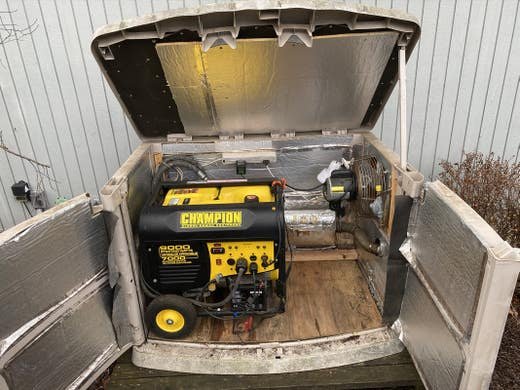
Imagine the convenience of maximizing your space without compromising on functionality. If you’ve ever wondered whether generator enclosures can be stacked, you’re not alone.
This question is more common than you might think, especially if you’re looking to optimize your storage area or outdoor space. You might be looking at your generator enclosure right now, thinking about the possibilities. Before you make any moves, it’s crucial to know the benefits, risks, and best practices.
You’ll find all the answers you need to make an informed decision. Stay with us, and by the end, you’ll have a clear understanding of whether stacking generator enclosures is the right choice for you.
Generator Enclosure Basics
Generator enclosures protect the generator from weather and noise. They also help keep it safe from dust and debris. Different types of enclosures serve different needs.
- Weatherproof enclosures:Shield from rain, snow, and sun.
- Soundproof enclosures:Reduce noise levels significantly.
- Ventilated enclosures:Allow air flow to prevent overheating.
- Custom enclosures:Made to fit special requirements.
Materials used affect durability and weight. Common materials include:
| Material | Benefits | Drawbacks |
|---|---|---|
| Steel | Strong, durable, good for heavy use | Heavy, can rust if not coated |
| Aluminum | Lightweight, rust-resistant | Less strong than steel |
| Fiberglass | Corrosion-resistant, good sound insulation | Can crack under heavy impact |
Stacking Generators: Key Considerations
Stacking generatorscan cause weight and stabilityproblems. Each generator is heavy and needs a strong base. Stacking them might lead to uneven weightdistribution. This can cause the whole setup to fall or tilt.
Ventilationis very important for generators. They produce heat and fumes that must escape. Stacking blocks airflow, causing overheatingand poor air quality. Proper air circulation helps the generator work well and last longer.
Maintenance accessmust be easy. If generators are stacked, reaching parts for repair or checks becomes hard. This can delay fixing problems and increase downtime. Space around each unit is needed for safe, quick service.
Safety Risks Of Stacking
Stacking generator enclosures can cause fire hazards. Heat may build up between units and cause sparks. Fuel or oil leaks trapped between enclosures increase fire risks. Proper airflow is blocked, making it harder to cool the generators. This can lead to overheating and fires.
Stacking affects structural integrity. The weight of one enclosure on another can cause damage. It may lead to cracks or bends in the metal. This weakens the whole setup and may cause it to collapse. Proper support and design are needed to avoid this risk.
Noise and emissions become a problem when enclosures are stacked. Sound waves bounce between units, making noise louder. Exhaust fumes may get trapped, causing poor air quality. This can harm people nearby and violate safety rules.

Credit: www.reddit.com
Best Practices For Safe Stacking
Stacking generator enclosures requires strong supportto hold the weight safely. Use metal framesor reinforced palletsdesigned for heavy loads. Avoid stacking on weak surfaces to prevent accidents.
Secure the enclosuresusing straps or locks to stop them from moving. This keeps them steady during wind or vibrations. Proper securing reduces risks of damage or injury.
Good airflow is essential. Leave space between stacked units to let air flow freely. Proper ventilation stops overheating and keeps generators working well.
Alternative Solutions To Stacking
Stacking generator enclosures can cause safety and ventilation issues. Placing enclosures side-by-sideoffers better air flow and easier access for maintenance. This arrangement also lowers the risk of damage or overheating.
Modular enclosure designs allow for flexible setups. You can add or remove sections based on your needs. These designs save space while keeping generators safe and cool.
| Feature | Side-by-Side Arrangement | Modular Enclosure Designs |
|---|---|---|
| Space Efficiency | Good for wider areas | Expandable and adaptable |
| Ventilation | Better airflow between units | Designed for optimal cooling |
| Maintenance | Easy access to each generator | Sections can be isolated for work |
| Safety | Lower risk of stacking hazards | Built with safety standards |

Credit: adaptainer.co.uk
Expert Tips For Installation
Choosing a flat and stable ground is key for stacking generator enclosures. The surface must support the weight without sinking or tilting.
Clear the area of debris and obstacles to ensure safety and ease of installation. Good airflow around enclosures prevents overheating.
Experts with experience in generator setups help avoid costly mistakes. They ensure proper stacking and secure fastening of enclosures.
Professional help also ensures compliance with local safety codes and regulations.
- Check for signs of rust or damage on the enclosure surface.
- Inspect fasteners and seals for tightness and wear.
- Look for proper ventilation and clear air paths.
- Ensure electrical connections remain secure and protected.
Credit: www.powerequipmentforum.com
Frequently Asked Questions
Can Generator Enclosures Be Safely Stacked?
Generator enclosures are not designed for stacking. Stacking can cause instability and damage. It also blocks ventilation, leading to overheating. Always place enclosures side-by-side for safety and optimal performance.
What Are The Risks Of Stacking Generator Enclosures?
Stacking generator enclosures risks structural damage and safety hazards. It restricts airflow, causing overheating and equipment failure. Additionally, stacked units can collapse, posing injury risks. Proper placement ensures durability and operator safety.
How Should Generator Enclosures Be Arranged?
Generator enclosures should be arranged side-by-side with adequate spacing. This allows proper ventilation and easy maintenance access. Follow manufacturer guidelines for installation to ensure safety and optimal generator function.
Does Stacking Affect Generator Enclosure Ventilation?
Yes, stacking generator enclosures blocks ventilation openings. Poor airflow increases heat buildup, reducing generator efficiency and lifespan. Proper ventilation is crucial to maintain safe operating temperatures.
Conclusion
Stacking generator enclosures is not recommended for safety reasons. It can block ventilation and cause overheating. Proper space around the generator keeps it cool and running well. Always follow the manufacturer’s guidelines for installation. Use sturdy, separate bases for each enclosure.
Safety and efficiency come first in any setup. Choose a layout that allows easy access for maintenance. Keeping these points in mind helps avoid damage and accidents. Your generator will last longer and work better this way. Safety matters most when dealing with power equipment.