Are you considering using a generator indoors and wondering if an enclosure could make it safe? You’re not alone.
Many homeowners and businesses face the same dilemma when dealing with power outages or needing a reliable energy source. The idea of having a generator running inside sounds convenient, but safety concerns often hold us back. What if there was a way to enjoy the benefits of indoor power without compromising on safety?
We’ll explore whether a generator enclosure can be the solution you’ve been searching for. Discover the truth about using generator enclosures indoors, and learn how you can make an informed decision to keep your home or business powered up safely. Stay with us as we delve into the details that could change the way you think about indoor generators.
Generator Enclosures And Indoor Use
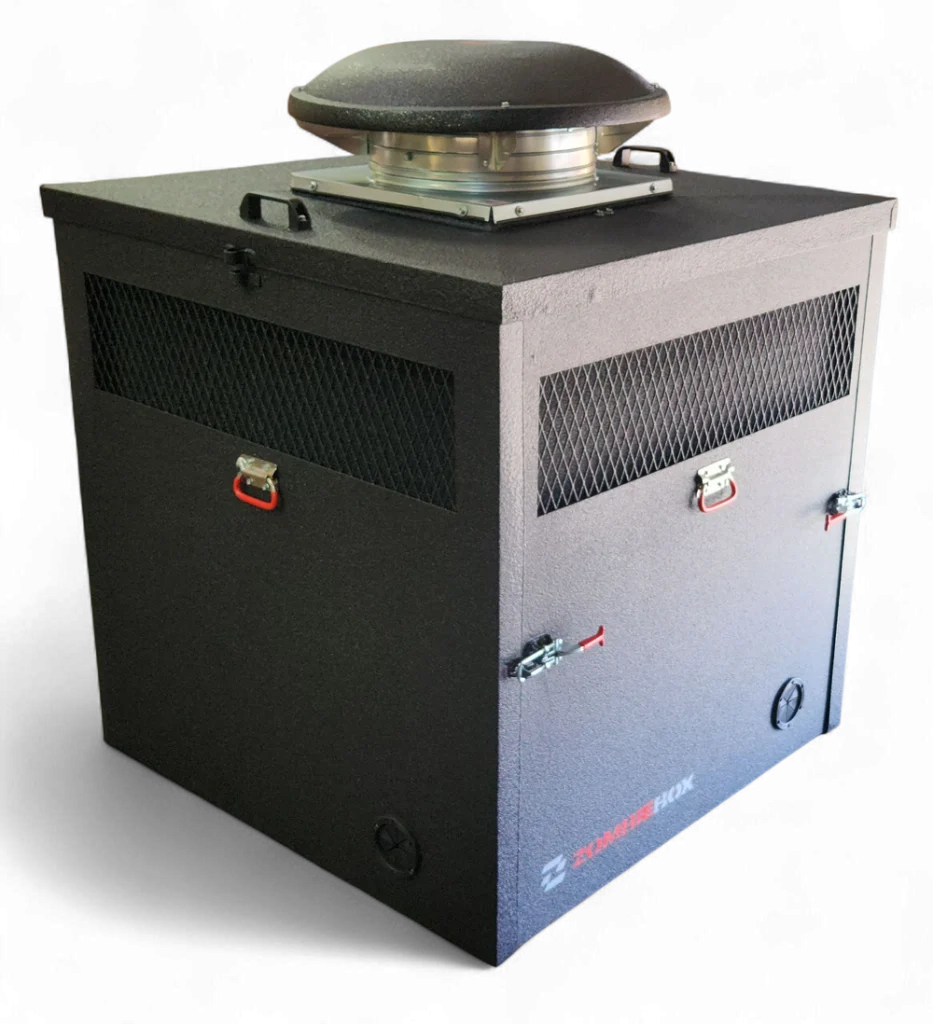
Generator enclosures come in different typesto protect the machine. Some are weatherprooffor outdoor use. Others are soundproofto reduce noise. Certain enclosures are made for indoor use, with special vents and fire-resistant materials.
Indoor installation needs careful planning. Proper ventilationis critical to avoid carbon monoxide buildup. Noise control is also important to keep the area quiet. The enclosure must allow easy access for maintenanceand fuel refills. Fire safety rules must be followed strictly.
| Enclosure Type | Use | Key Features |
|---|---|---|
| Weatherproof | Outdoor | Water-resistant, protects from rain and dust |
| Soundproof | Indoor/Outdoor | Noise reduction, insulated walls |
| Fire-resistant | Indoor | Heat-resistant, proper ventilation |
Credit: solarpowerstore.ca
Risks Of Using Generators Indoors
Carbon monoxide (CO)is a deadly gas produced by generators. It has no smell or color. Breathing CO indoors can cause sickness or death. Proper ventilation is crucial to avoid CO buildup.
Generators can cause fires and explosionsif fuel leaks or spills occur. Sparks or heat from the generator may ignite flammable materials nearby. Always keep fuel away and store it safely.
- Noisefrom generators can disturb people and pets.
- Vibrationcan damage floors or walls over time.
- Noise and vibration levels vary by generator model.
Safety Tips For Indoor Generator Use
Proper ventilationis essential to prevent buildup of dangerous gases. Open windows or use exhaust fans to allow fresh air flow. Avoid sealing the room completely. Carbon monoxide detectors must be installed nearby for safety.
Regular maintenancekeeps the generator running smoothly. Check oil levels and air filters often. Clean the generator to prevent dust and dirt buildup. Test the generator regularly to ensure it works well in emergencies.
Correct fuel storagereduces fire risks. Store fuel in approved containers away from living areas. Keep fuel in a cool, dry place and away from heat sources. Only store the amount needed for short-term use.
Regulations And Codes To Follow
Local building codes set the rules for using generator enclosures indoors. These codes often require proper ventilation and fire safety measures. Without following these rules, using a generator inside can be dangerous.
National safety standards provide guidelines on installation and operation. They focus on preventing carbon monoxide poisoning and fire risks. Generators must be placed in areas that allow fresh air flow.
| Aspect | Requirement |
|---|---|
| Ventilation | Must allow fresh air to prevent gas build-up |
| Fire Safety | Use fire-resistant materials and clearance space |
| Noise Control | Follow local noise limits for indoor use |
| Carbon Monoxide Detectors | Install detectors near generator location |
Alternative Solutions For Indoor Power Needs
Battery backup systemsstore electrical energy for use during power outages. They operate quietly and do not emit fumes, making them safe for indoor use. These systems can power essential devices like lights, fans, and small appliances. Charging happens from the main power or solar panels. Battery backups require little maintenance and provide instant powerduring blackouts.
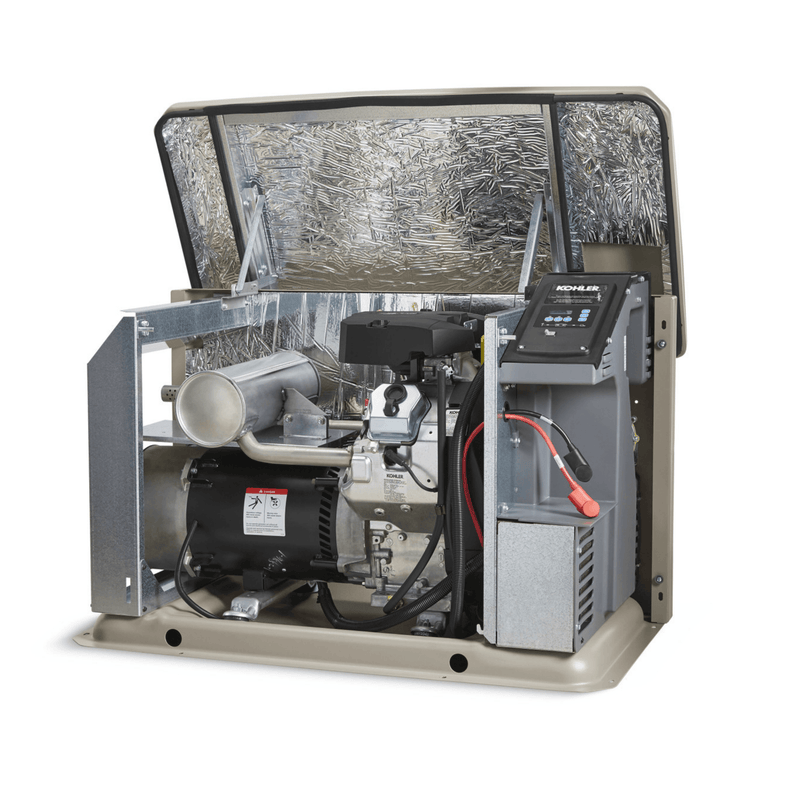
Inverter generatorsproduce cleaner power suitable for sensitive electronics. They are smaller, quieter, and more fuel-efficientthan traditional generators. Many models have safety features that allow limited indoor use with proper ventilation. These generators can run laptops, TVs, and other devices without risk of damage.

Credit: truegear.com.au

Credit: www.angi.com
Frequently Asked Questions
Can A Generator Enclosure Be Safely Used Indoors?
Yes, but only if the enclosure is specifically designed for indoor use. Proper ventilation and exhaust management are essential to prevent carbon monoxide buildup. Always follow manufacturer guidelines and local codes to ensure safety.
What Are The Benefits Of Using A Generator Enclosure Indoors?
Indoor generator enclosures reduce noise, protect the unit from dust, and improve aesthetics. They also help contain fumes when properly ventilated. This setup enhances safety and extends the generator’s lifespan.
How Do I Ventilate A Generator Enclosure Indoors?
Use exhaust vents or fans to direct fumes outside. Ensure fresh air intake to prevent overheating. Proper ventilation is critical to avoid dangerous gas accumulation and maintain efficient generator performance.
Are There Special Enclosures For Indoor Generator Use?
Yes, indoor generator enclosures are designed with fire-resistant materials and built-in ventilation. They comply with safety standards to manage exhaust and noise effectively, making them suitable for indoor environments.
Conclusion
Generator enclosures can protect your device from dust and rain. Still, using them indoors needs care. Proper ventilation is key to avoid harmful fumes. Always follow safety rules and local laws. Choose enclosures made for indoor use only. Keep the area around the generator clear and dry.
Regular checks help spot problems early. A safe setup means peace of mind and long-lasting power. Remember, safety always comes first with indoor generators.