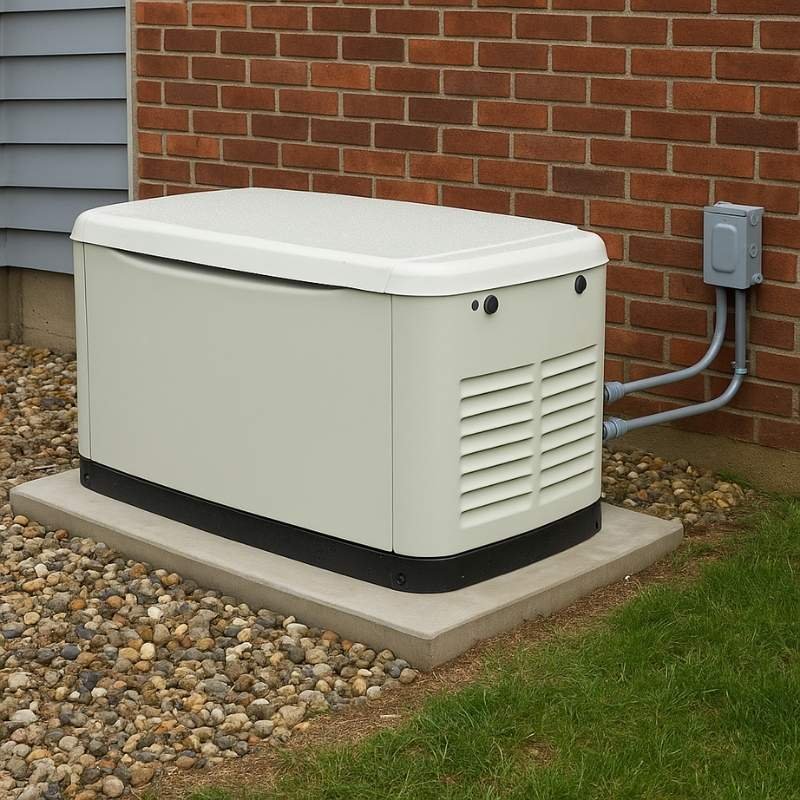
Imagine this: you’re enjoying a quiet afternoon when suddenly, the loud rumble of a generator shatters your peace. It’s not just the noise; it’s the vibrations that seem to shake the very walls of your home.
If you’ve ever dealt with this, you know how disruptive it can be. But what if there was a simple solution to this all-too-common problem? Enter the generator enclosure. You might wonder, “Can a generator enclosure really prevent vibration? ” This article is here to answer that burning question.
By the end, you’ll discover how a seemingly simple enclosure can transform your generator from a noisy nuisance into a silent partner, allowing you to reclaim your tranquil space. Ready to learn more? Let’s dive in and explore how you can achieve a quieter, more peaceful environment.
Generator Vibrations And Noise
Generator vibrationscome from several sources. The enginecreates shaking due to moving parts. Imbalancein the rotating parts also causes vibrations. Loose componentsinside the generator add to this issue. The mounting basemight transmit vibrations to the ground or building.
These vibrations affect performanceby causing wear and tear on parts. They may lead to damageor failureif not controlled. Noise often comes with vibrations, which can be annoying and harmful.
- Engine noise:Loud sounds from the motor’s combustion.
- Exhaust noise:Gases leaving the generator create noise.
- Mechanical noise:Moving parts rubbing or hitting each other.
- Airflow noise:Fans and cooling systems produce sounds.
Role Of Generator Enclosures
Generator enclosuresplay a key role in reducing vibrationscaused by running generators. They act like a strong box that holds the generator tightly. This stops the generator from shaking too much and causing noise or damage.
Enclosures are made from materialsthat absorb shock and sound. Common materials include steel, aluminum, and soundproof foam. These materials help stop vibrations from spreading to the ground or nearby walls.
Design features also help reduce noise and vibration:
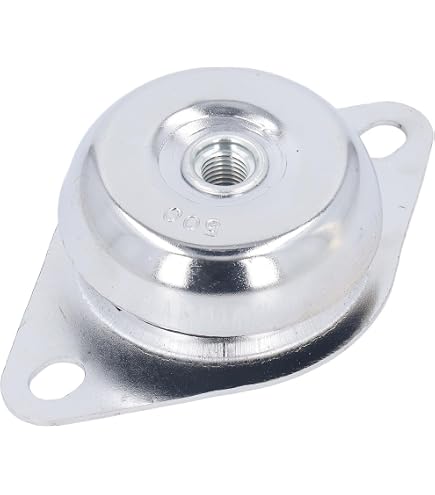
- Rubber mountsinside the enclosure absorb vibrations.
- Thick wallsblock sound waves.
- Ventilation openingsare designed to reduce noise escape.
- Sealed doorskeep sound and vibrations inside.
Effective Noise Control Strategies
Generator enclosures help reduce noise but do not fully stop vibration. Isolation techniquesare key to control vibration effectively. These methods separate the generator from the building or ground.
- Use of vibration dampeners:Rubber mounts and pads absorb shaking. They lower the vibration transferred to the floor or walls.
- Proper installation practices:Secure mounting and level placement reduce extra movement. Tight bolts and balanced setup keep the generator stable.
Combining enclosure with isolation methods offers better noise and vibration control. Enclosures block sound while dampeners and good setup limit shaking.
Credit: www.amazon.ca
Maintenance For Vibration Control
Routine inspections help find loose bolts and worn parts early. Tight bolts reduce shaking and noise. Check the enclosure for cracks or damage that may cause vibration.
Tightening and balancing components keep the generator steady. Balanced parts spin smoothly, cutting down vibration. Tighten screws and mounts to secure all pieces firmly.
Replacing worn parts is important for smooth operation. Old bearings or mounts can cause more shake. Swap out damaged parts quickly to keep vibrations low and protect the generator.
Additional Noise Reduction Tips
Placing generators far from living spaces helps reduce noise and vibration. A solid, flat base keeps the generator steady and cuts vibration.
Using plants and bushes around the generator acts as a natural sound barrier. Walls or fences can block noise from reaching homes.
- Acoustic panels absorb sound waves and lower noise levels.
- They are easy to install around the generator area.
- Panels work best when placed on walls or fences near the generator.

Credit: www.whjlmech.com

Credit: generatordieselchina.com
Frequently Asked Questions
Can A Generator Enclosure Reduce Vibration Effectively?
Yes, a generator enclosure can reduce vibration by isolating and dampening noise. It minimizes structural transmission and protects surrounding areas from vibration damage.
How Does Vibration Affect Generator Performance?
Vibration can cause wear and tear, leading to mechanical failures. It also reduces efficiency and increases noise, impacting overall generator lifespan.
What Materials Help In Vibration Control In Enclosures?
Materials like rubber mounts, acoustic foam, and vibration isolators are effective. They absorb and reduce vibration, enhancing generator stability and noise reduction.
Are All Generator Enclosures Designed To Prevent Vibration?
Not all enclosures focus on vibration control. Specialized enclosures include vibration isolation features, while basic models may only provide weather protection.
Conclusion
A generator enclosure can help reduce vibration significantly. It acts as a barrier that absorbs and blocks shaking. This makes the generator run smoother and quieter. It also protects nearby structures from damage caused by constant shaking. Enclosures come in different sizes and materials, fitting many generator types.
Choosing the right enclosure is important for best results. Overall, using a generator enclosure is a smart step to control vibration and improve performance. It keeps the environment calm and the generator safe. Worth considering for anyone using a generator regularly.