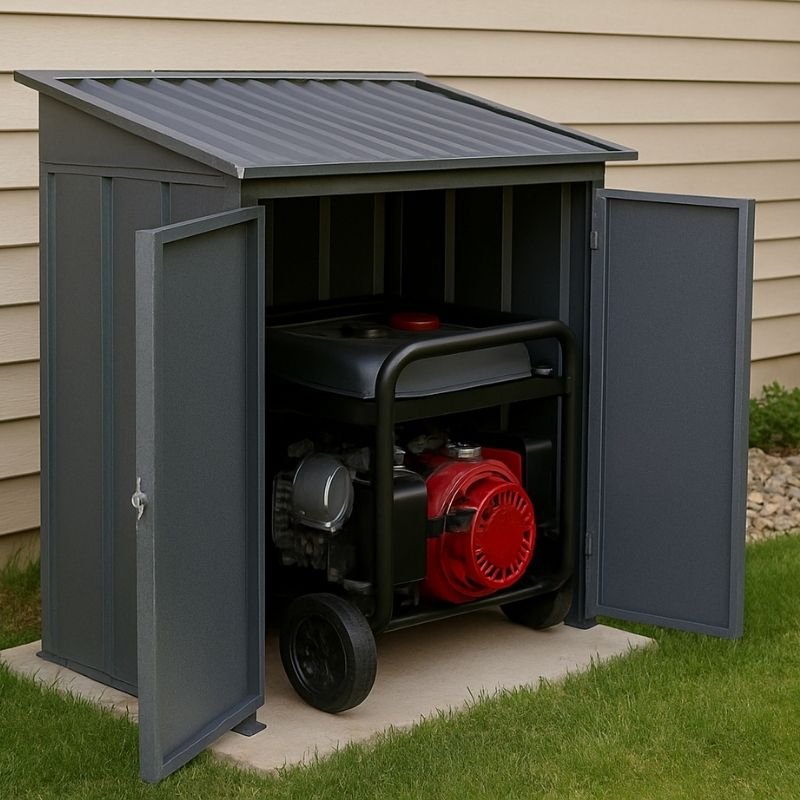
Imagine you’re in the middle of a storm, and your power goes out. The only thing standing between you and a complete blackout is your trusty generator.
But have you ever wondered how your generator stands up against the harsh elements like rain, snow, or scorching heat? Enter the generator enclosure—a potential game-changer for safeguarding your power source. You might be asking, “Can a generator enclosure really protect my generator from the weather?
” You’re not alone in this curiosity. Understanding how to effectively shield your generator can save you from costly repairs and ensure it runs smoothly when you need it most. We’ll delve into the ins and outs of generator enclosures and reveal how they can keep your generator safe from Mother Nature’s unpredictable moods. Stay with us as we uncover why this investment might just be the peace of mind you need.

Credit: www.amazon.com
Benefits Of Generator Enclosures
Generator enclosuresprovide strong weather protection. They keep rain, snow, and dust away from the generator. This helps the generator last longer and work better. The enclosure also stops wind from blowing into the engine parts.
Noise from generators can be loud and annoying. Enclosures help by reducing noise. They block and absorb sound, making the area quieter. This is good for homes and workplaces near the generator.
Safety is very important around generators. Enclosures offer enhanced safetyby keeping people away from hot or moving parts. They also protect the generator from damage and theft.

Credit: www.amazon.com
Types Of Generator Enclosures
Metal enclosuresare strong and protect generators from harsh weather. They resist rain, snow, and wind well. These enclosures also help reduce noise. They need little maintenance and last a long time.
Polymer enclosuresare made from plastic materials. They are lightweight and easy to move. These enclosures resist rust and corrosion. They are good for wet and salty environments. They also provide good sound insulation.
Custom-built optionsfit specific needs. They can be made in different sizes and shapes. These enclosures offer extra features like better ventilation or security. Custom designs help protect generators in unique places.
Weather Elements Affecting Generators
Rain and moisturecan cause rust and short circuits in generators. Water inside the generator can damage parts and stop it from working.
Snow and icebuild-up can block air vents and cause the generator to overheat or freeze. Ice can also crack parts and make the generator unsafe.
Wind and dustcarry dirt that can clog filters and wear down moving parts. Strong winds can also blow debris into the generator, causing damage.
Features That Boost Weather Resistance
Sealing and insulationkeep water and dust out. They stop cold or hot air from entering. This protects the generator from weather damage. Good seals also reduce noise and improve energy use.
Ventilation systemshelp cool the generator. They let hot air escape and fresh air in. This stops overheating and keeps the engine running well. Proper airflow prevents moisture buildup inside the enclosure.
Corrosion-resistant materialslike stainless steel or coated metals last longer. They resist rust caused by rain or humidity. These materials keep the enclosure strong and safe in harsh weather.
Installation Tips For Maximum Protection
Proper placement of the generator enclosure is key for weather protection. Choose a spot away from heavy rain, direct sun, and strong winds. Keep the enclosure elevated to avoid water damage from flooding or puddles. Ensure there is enough space around it for air circulationand easy access.
The foundation must be stable and levelto support the enclosure’s weight. Use concrete or solid pads to prevent sinking or tilting. Secure the enclosure firmly with anchors or boltsto stop movement during storms or strong winds. This also reduces noise and vibration.
Regular maintenance helps keep the enclosure effective. Check for cracks, rust, or loose parts often. Clean debris from vents and seals to maintain proper airflowand prevent moisture buildup. Replace worn weather stripping to keep rain and dust out.
Common Misconceptions About Enclosures
Generator enclosuresdo help protect from rain, snow, and dust. But they do not make generators fully weatherproof. Some enclosures can trap heat, causing overheating. Proper ventilation is needed to keep the generator cool.
Many believe enclosures block all noise. In reality, noise is reduced but not eliminated. The material and design affect how much sound is muffled.
| Myth | Reality |
|---|---|
| Enclosures make generators fully weatherproof | Enclosures protect from weather but are not 100% waterproof |
| Enclosures prevent overheating | Without ventilation, enclosures can cause heat buildup |
| Enclosures block all noise | They reduce noise but do not stop it completely |
Choosing The Right Enclosure For Your Needs
Consider the weather conditionswhere the generator will be placed. Rain, snow, wind, and sun can damage the generator without proper protection. Choose an enclosure that offers water resistanceand ventilationto avoid overheating. Also, think about dust and debris in the area.
Check the sizeof your generator before selecting an enclosure. It should fit well without being too tight or too loose. Make sure the enclosure has space for cablesand maintenance access. Compatibility with your specific model is key.
Set a budgetbefore shopping. Enclosures come in many prices depending on material and features. Metal enclosures are durable but cost more. Plastic ones may be cheaper but less strong. Balance cost with protection needs.

Credit: customskirting.com
Frequently Asked Questions
Can A Generator Enclosure Protect From Rain And Snow?
Yes, a generator enclosure shields the generator from rain and snow. It prevents water damage and ensures reliable operation in wet conditions.
Does An Enclosure Reduce Generator Noise Levels?
Yes, enclosures significantly reduce generator noise. They contain sound and vibrations, making the generator quieter and less disruptive.
Are Generator Enclosures Weatherproof And Durable?
Most generator enclosures are weatherproof and built with durable materials. They withstand harsh weather like wind, rain, and UV exposure effectively.
How Does A Generator Enclosure Improve Safety?
A generator enclosure protects users from hot surfaces and moving parts. It also prevents debris and animals from entering, enhancing operational safety.
Conclusion
A generator enclosure offers solid protection from rain, wind, and snow. It keeps your generator safe and helps it last longer. Enclosures reduce noise and stop dust or dirt from causing damage. They also improve safety by keeping people away from hot or moving parts.
Choosing the right enclosure depends on your climate and generator size. Overall, using an enclosure is a smart way to protect your generator from bad weather. It gives peace of mind and keeps your power running when you need it most.