Imagine a peaceful afternoon, the sun is shining, and you’re lounging in your backyard with a good book. Suddenly, the loud, persistent hum of a generator disrupts the tranquility.
If you’ve ever been in this situation, you know how frustrating generator noise can be. But what if there was a simple way to reduce that noise and reclaim your peace? You’ll discover how a generator enclosure could be your perfect solution.
Not only does it promise to muffle the disruptive sounds, but it also offers additional benefits that might surprise you. Curious to find out more? Keep reading to learn how this small change can make a big difference in your outdoor experience.

Credit: www.reddit.com
Noise Sources In Generators
Generators create noise from several main parts. The engine noiseis often loud. It sounds like a steady roar or hum. This noise comes from the engine running and working hard.
Exhaust noisehappens as hot gases leave the generator. It can be sharp or deep sounds. These noises are caused by pressure and air flow in the exhaust pipe.
Mechanical vibrationsalso add noise. Moving parts inside the generator shake and make sounds. These vibrations can travel to the ground or nearby surfaces, making more noise.
Each noise source adds to the total sound level. Controlling them helps reduce overall noise from generators.

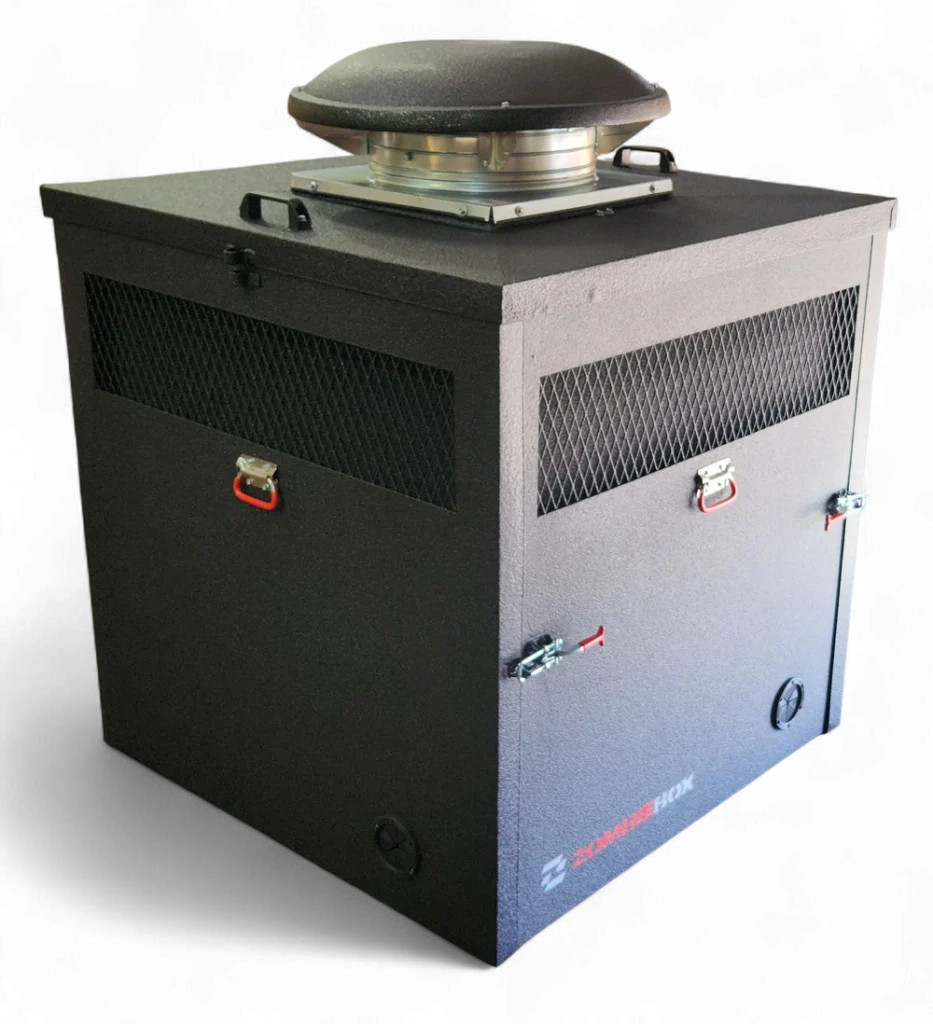
Credit: www.zombiebox.com
Role Of Generator Enclosures
Generator enclosureshelp to cut noise by blocking sound waves. They also protect the generator from weather and dust. Using the right materialsis key to reducing noise.
Material typesinclude metal, fiberglass, and composite panels. Metals are strong but may need extra insulation. Fiberglass is light and absorbs sound well. Composite panels mix materials for better sound control.
Design featuresfocus on sealing gaps and using double walls. These stop sound from escaping. Proper ventilation keeps the generator cool without noise leaks.
Soundproofing techniquesuse foam, mats, and barriers inside the enclosure. These absorb and block noise. Adding sound baffles around vents lowers sound even more.
Benefits Of Enclosures For Noise Reduction
Generator enclosureshelp to lower noise levelsby blocking sound waves. They can reduce the noise by several decibels, making the environment quieter.
This improves comfortfor people nearby. Less noise means less stress and better focus at work or home. It also helps workers avoid hearing problems caused by loud sounds.
Enclosures help with compliance to noise regulations. Many areas have rules about how loud machines can be. Using an enclosure keeps the generator within allowed noise limits. This prevents fines and complaints.
Installation Tips For Effective Noise Control
Proper placement of the generator enclosure is key to reducing noise. Place it away from windows and living areas to limit sound reaching inside. Choose a flat, stable surface to keep the enclosure steady.
Sealing gaps around the enclosure helps trap noise inside. Use weatherstripping or foam tape to fill cracks and openings. This stops sound from escaping and reduces vibrations caused by air leaks.
Vibration isolation lowers noise by stopping shaking parts from touching hard surfaces. Use rubber mounts or pads under the generator and enclosure. These absorb vibrations and stop sound from traveling through the ground or walls.
Additional Noise Control Methods
Mufflers and silencershelp cut down generator noise by reducing exhaust sounds. They fit onto the exhaust pipe and lower loud blasts. This makes the generator run quieter and less disturbing.
Acoustic barriersblock noise from spreading. These barriers can be walls or panels made from sound-absorbing materials. They stop the noise from reaching nearby areas and make the environment more peaceful.
Regular maintenancekeeps the generator running smoothly and quietly. Clean filters, tight bolts, and proper oil levels prevent extra noise caused by wear or loose parts. A well-kept generator is less noisy and lasts longer.
Common Mistakes To Avoid
Ignoring ventilation needs can cause serious problems. Generators produce heat and fumes. Without proper airflow, these build up inside the enclosure. This leads to overheating and unsafe conditions. Always plan for enough vents or fans.
Using inadequate materials reduces noise reduction effectiveness. Thin or cheap materials let sound escape easily. Use dense, sound-absorbing materials like foam or mass-loaded vinyl. These block and absorb noise better.
Poor installation practices can ruin an enclosure’s purpose. Gaps, loose panels, and bad seals allow noise to leak out. Make sure all parts fit tightly and are securely fastened. Proper sealing is key to keeping noise down.

Credit: www.amazon.com
Frequently Asked Questions
How Effective Are Generator Enclosures In Noise Reduction?
Generator enclosures significantly reduce noise by using sound-absorbing materials. They block and absorb engine sounds, lowering noise levels by up to 50%. This makes generators quieter and more neighborhood-friendly, enhancing comfort in residential and commercial areas.
What Materials Are Used In Noise-reducing Generator Enclosures?
Noise-reducing enclosures use materials like acoustic foam, mass-loaded vinyl, and soundproofing composites. These materials absorb and block sound waves efficiently. They also provide weather protection, making enclosures durable and effective in minimizing generator noise.
Can Generator Enclosures Improve Generator Efficiency?
Yes, enclosures can improve efficiency by protecting generators from weather and debris. This protection ensures optimal performance and reduces maintenance needs. Additionally, quieter operation reduces noise pollution without compromising generator power output.
Are Generator Enclosures Suitable For All Generator Types?
Most generator enclosures are designed to fit various sizes and types, including portable and standby generators. Custom options are available for unique models. This flexibility ensures noise reduction benefits across different generator setups.
Conclusion
Generator enclosures help lower noise levels effectively. They block and absorb sound from the generator. This makes the environment quieter and more comfortable. Enclosures also protect the generator from weather and damage. They are a smart choice for homes and businesses.
Choosing the right enclosure improves both safety and peace. Noise reduction matters for health and daily life. Quiet generators make work and rest easier. Overall, enclosures offer a simple way to reduce noise. They bring calm without losing power.