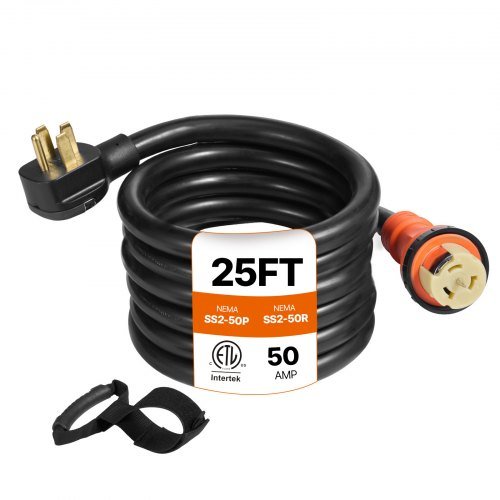
When you’re setting up your workshop, power is everything. You need reliable and safe electricity to keep your tools running smoothly.
But here’s a question you might be pondering: Can a generator extension cord really be the solution for your workshop’s power needs? This isn’t just about plugging in and hoping for the best—it’s about ensuring safety, efficiency, and convenience. Imagine the frustration of your tools not performing optimally or, worse, risking a power surge.
You deserve to work in a space where power issues are the least of your worries. We’re diving into the practicality, benefits, and potential pitfalls of using a generator extension cord in your workshop. Stick around, because by the end, you’ll have the insights you need to power up with confidence.
Credit: www.vevor.com
Choosing The Right Extension Cord
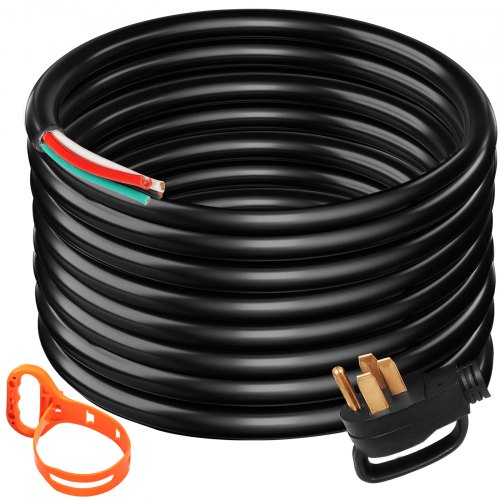
Choosing the right extension cord is key for workshop safety and efficiency.
Cord length and gaugeaffect power delivery. Longer cords need thicker wires (lower gauge number) to avoid voltage drop. Too thin wire can cause overheating.
Outdoor vs indoor cordsdiffer in insulation and durability. Outdoor cords resist moisture, sunlight, and rough use. Indoor cords are lighter but less protected. Using outdoor cords in workshops is safer.
Amp rating considerationsensure the cord can handle the tool’s power needs. Check the tool’s amp draw and pick a cord with equal or higher amp rating. Overloading cords can cause fires or damage.
Credit: www.vevor.com
Generator Compatibility
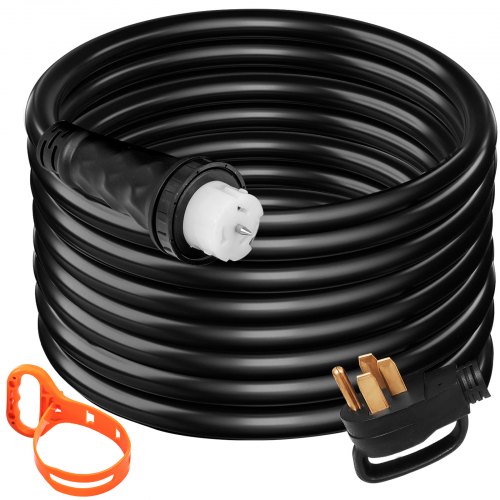
Choosing the right extension cordis key for safe generator use. The cord’s power ratingmust match or exceed the generator’s output. Using a cord with lower capacity can cause overheatingand damage.
The cord’s length affects power delivery. Longer cords may reduce power flow. Use cords designed for outdoor and heavy-dutyuse to ensure durability.
- Check the generator’s wattagebefore selecting a cord.
- Choose cords with a thicker gaugefor higher power needs.
- Avoid using cords with damaged insulationor connectors.
To avoid power overload, do not exceed the generator’s rated output. Overloading risks fireand equipment damage. Use a cord that can handle the total wattage of all devices connected.
Workshop Power Needs
Choosing the right extension cord for your generator is key to safe workshop power. Extension cords must handle the generator’s wattage to avoid overheating or power loss. Using cords made for heavy loads ensures tools run smoothly and safely.
Assessing Tool Requirements
Each tool has its own power need. Check the label on every tool to find the watt or amp rating. Add these numbers for all tools you use at once. This helps to know how much power you will need.
Calculating Total Load
Use this simple table to calculate total load:
| Tool | Power (Watts) | Quantity | Total Power (Watts) |
|---|---|---|---|
| Drill | 500 | 1 | 500 |
| Sander | 300 | 1 | 300 |
| Lights | 100 | 3 | 300 |
| Total Load | 1100 Watts |
This number shows how much power your workshop tools need. Always choose a generator and cord that can handle this load safely.
Safety Precautions
Inspect cordscarefully before use. Look for cracks, cuts, or exposed wires. Damaged cords can cause electric shocksor fires. Replace any cord that shows signs of wear or damage. Use cords rated for outdoor and heavy-dutyuse when working in a workshop.
Groundingis key for safety. Always connect the generator and extension cord to a proper ground. This prevents electric shocks by directing electricity safely to the earth. Use a grounding rod or follow the generator’s grounding instructions. Never skip grounding steps.
- Keep cords dry.Water can cause short circuits or electric shocks.
- Cover connectionswith plastic or waterproof covers.
- Store cordsin a dry place when not in use.
- Do not use cordsin wet or damp conditions without proper protection.
Cord Usage Best Practices
Keep cords away from walkways to avoid tripping hazards. Use cable covers or tape to secure cords on the floor. Regularly check cords for damage or wear. Replace damaged cords immediately to prevent accidents.
Prevent cord overheating by using cords rated for your generator’s power. Avoid running cords through wet or hot areas. Do not coil cords tightly during use; this can cause heat buildup. Use cords with proper thickness for longer distances.
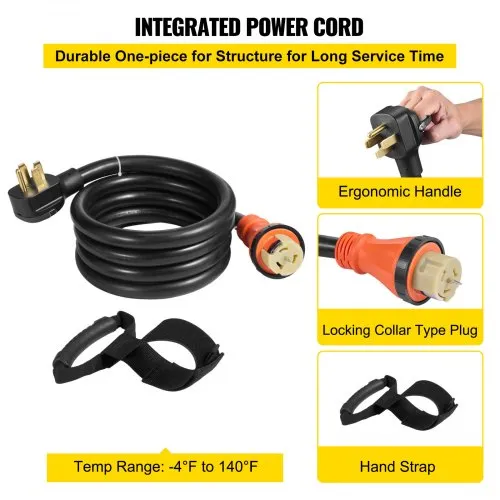
Store cords properly to extend their life. Coil cords loosely and avoid sharp bends. Keep cords in a dry, cool place away from sunlight. Use cord reels or hooks for neat storage and to prevent tangling.
Credit: www.vevor.com
Common Mistakes To Avoid
Using undersized cordscan cause overheating and fire risks. Always choose cords with the right thicknessfor your tools. Thin cords can’t handle high power.
Overloading circuitsmakes breakers trip and damages equipment. Never plug too many devices into one outlet. Spread the load to avoid problems.
Ignoring manufacturer guidelinesmay void warranties. Follow all instructions for safe use. This ensures your tools and cords last longer.
Frequently Asked Questions
Can I Use A Generator Extension Cord In My Workshop?
Yes, you can use a generator extension cord in your workshop. Ensure it matches your generator’s power rating and is heavy-duty. Proper gauge and length prevent voltage drops and overheating, keeping your tools safe and efficient.
What Gauge Extension Cord Is Best For Workshops?
A 12 or 10-gauge extension cord is best for workshops. These thicker cords safely handle high power tools and heavy loads. Using the right gauge prevents overheating and power loss during operation.
How Long Can A Generator Extension Cord Be?
Generator extension cords can safely be up to 100 feet long. Longer cords risk voltage drop, reducing tool performance. Always choose the shortest possible cord that fits your workshop needs.
Are Generator Extension Cords Safe For Power Tools?
Yes, generator extension cords are safe for power tools when properly rated. Use cords designed for outdoor or heavy-duty use. Check the cord’s amp rating matches or exceeds your tool’s requirements.
Conclusion
Using a generator extension cord in your workshop can be safe and effective. Choose a cord with the right length and thickness. Check its power rating matches your tools. Always avoid overloading the cord to prevent damage. Keep cords dry and away from sharp edges.
Regularly inspect cords for wear or damage. Taking these simple steps helps keep your workshop running smoothly. Safety matters most when using any electrical equipment. A good extension cord can make your work easier and safer.