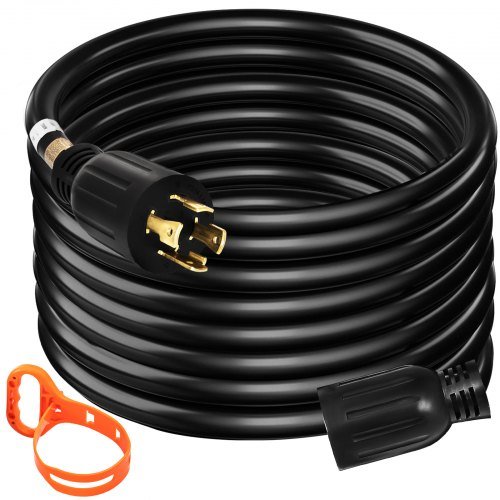
Have you ever found yourself in the middle of a power outage, only to wonder if you can use a generator extension cord indoors? If so, you’re not alone.
Many people face the same dilemma, especially when the lights go out and the fridge starts warming up. Before you make a decision, it’s crucial to understand the potential risks and benefits involved. This article will delve into the safety aspects, practical considerations, and expert advice on using generator extension cords indoors.
By the end, you’ll have the insights you need to keep your home powered up safely and effectively. Keep reading to ensure you’re making the right choice for your family’s safety and convenience.
Credit: www.vevor.ca
Generator Extension Cord Basics
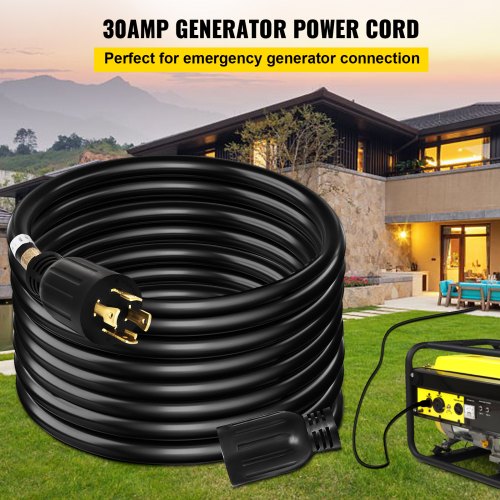
Generator extension cordscome in various types. Each type suits different needs. Some cords are made for indoor use, others for outdoor use. Outdoor cords are usually thicker and have better insulation to protect against weather. Indoor cords are thinner and not built for harsh conditions.
| Type | Use | Cord Rating | Length |
|---|---|---|---|
| Indoor Cord | Inside homes, dry places | Lower amps, lighter gauge | Short to medium (6-25 feet) |
| Outdoor Cord | Outside, wet or rough areas | Higher amps, heavy gauge | Medium to long (25-100 feet) |
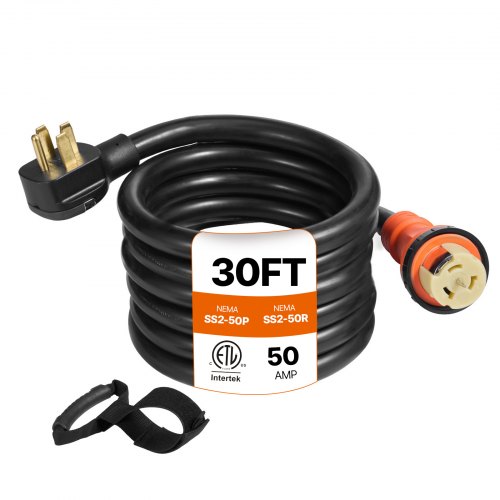
Choosing the right cord depends on cord ratingand length. Too long or thin cords can cause power loss or overheating. Always check the amp ratingto match your generator’s power output. For safety, use cords rated for outdoor use if the cord will be outside.
Credit: www.vevor.ca
Indoor Use Risks
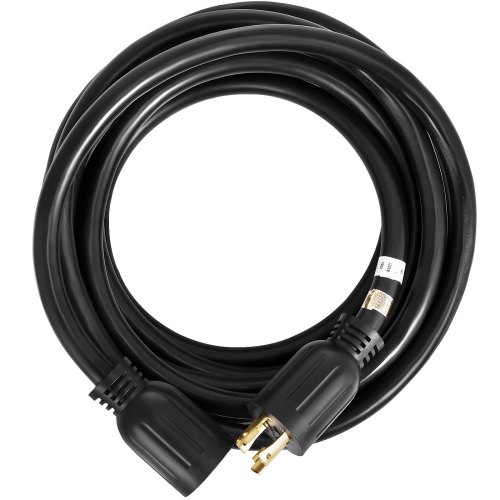
Using a generator extension cord indoorscan be very dangerous. One major risk is carbon monoxide poisoning. Generators produce this gas, which is invisible and deadly. It can build up quickly inside homes.
Fire hazardshappen because extension cords can overheat or spark. This can start fires if the cord is damaged or used incorrectly. Always check cords for any damage before use.
Electrical shock risksincrease indoors. Water or moisture can cause cords to short circuit. This can lead to shocks or even electrocution. Keep cords dry and away from water.
- Carbon monoxide is colorless and odorless.
- Extension cords can get very hot.
- Damaged cords cause sparks and shocks.
- Never use outdoor cords in wet places.
Safe Practices Indoors
Proper ventilationis essential when using a generator extension cord indoors. Generators produce harmful fumes that can cause serious health problems. Always run the generator near an open window or door to let fresh air in and fumes out.
For cord placement, keep the extension cord away from water, heat sources, and heavy foot traffic. Avoid running cords under rugs or carpets to prevent overheating. Use cords with proper insulation and the correct length to reduce risks.
- Avoid overloadsby checking the generator’s power rating.
- Do not connect too many devices to one extension cord.
- Use cords rated for outdoor and heavy-duty use.
- Inspect cords regularly for damage or wear before use.
Choosing The Right Cord
Choosing the right cordis key for safety and performance. The gaugeof the wire must match the amp ratingof the generator and devices. A lower gauge number means a thicker wire that carries more current. Using a cord with too thin a gauge can cause overheating and fires.
Look for cords with weatherproof features. These cords have durable insulation to resist moisture and damage. Even indoors, moisture can be present in basements or garages. Weatherproof cords add an extra layer of protection.
Consider the lengthof the cord carefully. Longer cords cause voltage drop, reducing power to devices. Keep the cord as short as possible but long enough to reach your generator safely. Using too long a cord can harm your equipment.
Alternative Power Options
Battery-powered solutionsoffer a quiet and clean way to get power indoors. These devices are portableand easy to use. They come in various sizes and can power small appliances for hours. Batteries do not produce fumes, making them safe for indoor use.
Indoor-safe generatorsare designed with special featuresto prevent carbon monoxide buildup. They usually have better ventilationand carbon monoxide detectors. These generators allow safe operation inside or in enclosed spaces.
Uninterruptible Power Supplies (UPS)provide instant backup power. They are best for computers and small devices. UPS units keep devices running during power cuts without any noise or fumes. They are compact and easy to set up indoors.
Credit: www.vevor.com
Emergency Preparedness
Smoke and carbon monoxide (CO) detectorsmust be tested regularly. Replace batteries every six months. These devices save lives by alerting you early. Keep detectors clean and free from dust. Place them near sleeping areas and kitchens.
Check all emergency equipment before use. Inspect cords and plugs for damage. Make sure generators run smoothly. Have fuel stored safely and away from living spaces. Practice turning off generators properly to avoid hazards.
Follow safe shutdown rules:
- Turn off appliances first.
- Switch off the generator last.
- Wait a few minutes before restarting.
- Never refuel while the generator runs.
Frequently Asked Questions
Can Generator Extension Cords Be Safely Used Indoors?
No, generator extension cords are not safe for indoor use. They can cause carbon monoxide buildup and electrical hazards. Always use them outdoors in well-ventilated areas to prevent health risks and fire hazards.
What Types Of Extension Cords Are Suitable For Indoor Use?
Use cords labeled for indoor use only, with proper insulation and lower amperage ratings. Generator cords are heavy-duty and designed for outdoor use, so avoid using them inside your home.
How To Prevent Hazards When Using Generator Cords Indoors?
Avoid using generator cords indoors to prevent hazards. If necessary, ensure proper ventilation, use carbon monoxide detectors, and never block exits. Prioritize safety by following manufacturer guidelines and local regulations.
Are There Specific Safety Tips For Indoor Generator Use?
Generators should not be operated indoors due to toxic fumes. Instead, run generators outside, away from windows and doors. Always use outdoor-rated extension cords and keep the generator dry.
Conclusion
Generator extension cords can be used indoors, but with care. Choose cords designed for indoor use to avoid risks. Keep cords away from water and heat sources. Always check the cord’s rating matches your generator’s power. Never overload the cord to prevent hazards.
Proper use keeps your home safe and your power steady. Stay alert and follow safety rules. Safety first, every time.