
Imagine waking up each morning to the warm Florida sun, knowing that its rays are powering your home. It’s a dream scenario, isn’t it?
But the question remains: can your home actually generate enough solar power in Florida? With the Sunshine State boasting abundant sunlight, you’re probably curious if it’s possible to harness this energy efficiently. You’re likely concerned about energy bills and environmental impact, and solar power seems like an attractive solution.
You’ll discover whether Florida’s sunny reputation can translate into real savings and sustainability for your home. We’ll explore the potential benefits, the challenges you might face, and the factors that will influence your home’s ability to generate solar power. Get ready to unlock the secrets of solar energy in Florida and transform your house into a powerhouse of renewable energy.

Credit: environmentamerica.org
Solar Potential In Florida
Florida’s abundant sunshine offers a great chance for homes to generate solar power. Many homes can produce enough energy to meet their daily needs, thanks to the state’s sunny climate and advanced solar technology. This makes solar panels a practical option for reducing electricity bills and promoting sustainability.
The Solar Potential in Florida is immense, making it one of the most promising locations for harnessing solar energy. With its abundant sunshine and flat landscapes, Florida provides an ideal environment for solar panels to efficiently generate power. Whether you’re a homeowner considering solar panels or simply curious about renewable energy, Florida’s potential offers exciting possibilities.Sunshine State Advantage
Florida, often called the “Sunshine State,” lives up to its name with an average of 237 sunny days each year. This abundance of sunlight is a significant advantage for solar energy generation. Imagine your home powered by the same sun that brightens your vacations. Investing in solar panels in Florida means you’re tapping into a reliable and renewable energy source. More sunlight means more power, and that can translate to lower electricity bills.Regional Climate Impact
While Florida’s climate is a boon for solar energy, it’s essential to consider its regional climate nuances. Frequent summer thunderstorms can temporarily reduce solar output. However, with modern technology, solar systems are designed to withstand such weather and continue generating power efficiently. The mild winters in Florida also contribute positively. Unlike colder regions, Florida doesn’t experience snow, which can cover panels and reduce efficiency. This means your solar system can continue to perform optimally throughout the year. Have you thought about how much energy your roof could generate? With Florida’s solar potential, the answer might surprise you. By harnessing this resource, you’re not just saving money but also contributing to a sustainable future.Solar Technology At Home
Harnessing solar technology at home is an exciting journey that allows you to tap into Florida’s abundant sunshine. The Sunshine State offers a unique opportunity to generate a substantial amount of solar power, potentially reducing or even eliminating your electricity bills. As you consider this sustainable shift, understanding the different types of solar panels and their efficiency is crucial.
Types Of Solar Panels
Choosing the right solar panel is like picking a reliable friend for your energy needs. There are several types to consider:
- Monocrystalline Panels:Known for their high efficiency and sleek look, these panels are made from a single crystal structure. They perform well even in low sunlight conditions.
- Polycrystalline Panels:These are made from multiple silicon crystals and offer a more budget-friendly option. While slightly less efficient, they are a popular choice for residential installations.
- Thin-Film Panels:Flexible and lightweight, these are perfect for unconventional spaces. However, they generally offer lower efficiency compared to the crystalline panels.
Which type resonates with your home’s needs and your budget?
Efficiency And Performance
Efficiency is a key factor when selecting solar panels because it determines how much sunlight your panels can convert into usable electricity. Monocrystalline panels usually lead the pack with efficiency rates between 15-20%. Polycrystalline panels follow closely, offering 13-16% efficiency.
Thin-film panels, while versatile, typically have lower efficiency rates of about 10-12%. Yet, they can be a great fit for larger rooftops or unique architectural designs. Consider the available space and your energy goals to decide which panel type will perform best for your home.
Have you thought about how much energy your household uses daily, and how solar power could meet those demands?
Energy Needs Assessment
Assessing energy needs helps determine if a Florida home can generate enough solar power. Florida’s abundant sunshine offers great potential for harnessing solar energy efficiently. Proper evaluation ensures optimal solar panel installation to meet household energy demands.
Household Consumption Patterns
Every household has unique energy usage patterns. Consider your daily activities: Do you often use large appliances like dishwashers and washing machines? Are there electric vehicles being charged at home? Evaluate your monthly electricity bills to identify patterns. Seasonal changes might affect your consumption, with air conditioning being a significant factor in Florida’s hot climate. This analysis gives a realistic view of your energy habits.Calculating Solar Requirements
Once you understand your consumption, it’s time to calculate the solar power you’ll need. Start by noting your average monthly kilowatt-hour (kWh) usage from your electricity bills. Use this data to estimate the size of the solar system required. Online calculators can provide a preliminary estimate, but consulting with a solar professional ensures precision. Remember, a larger system isn’t always better. It’s about matching your energy needs with the right solar output. Will your system cover current usage, or do you plan for future increases, perhaps due to an expanding family or additional appliances? By addressing these questions, you’re better equipped to make informed decisions about solar energy in your Florida home.Financial Considerations
When considering solar power for your Florida home, the financial aspects are crucial. Solar panels promise a future of reduced energy bills and increased home value. But how do you weigh the initial costs against the potential savings? Let’s delve into the financial considerations you should keep in mind.
Cost Of Installation
Installing solar panels in Florida can be a significant upfront investment. The average cost ranges from $15,000 to $25,000. However, this amount can vary based on the size of your system and energy needs.
Many homeowners are surprised to learn about federal tax credits and state incentives that can reduce these costs. These incentives can help lower your initial outlay by up to 30%. It’s worth investigating local grants or rebates that might be available.
Think about financing options. Some companies offer solar loans or leases, which can spread the cost over several years. Would this make the transition easier for your budget?
Return On Investment
The return on investment (ROI) for solar panels is a major selling point. Typically, homeowners see significant savings on their energy bills, sometimes up to 70%. This can translate into thousands of dollars saved over the lifespan of the panels.
Consider the long-term benefits. Solar panels often increase your property’s value, a hidden benefit that many overlook. If you sell your home, potential buyers may be willing to pay more for a property with reduced energy costs.
Calculate the payback period. Most systems pay for themselves within 6 to 10 years. Are you ready to make a smart long-term investment?
Government Incentives
Florida homeowners can tap into government incentives to boost solar power generation. Sunny weather enhances solar energy production, potentially meeting household needs. Incentives reduce installation costs, making solar power an attractive option for residents.
Government incentives play a crucial role in solar power adoption in Florida. They make solar panels more affordable for homeowners. These incentives come from both state and federal programs. This financial support can significantly reduce installation costs. Residents can benefit from various tax credits and rebates, making solar energy a viable option.Tax Credits And Rebates
Florida homeowners can access valuable tax credits for solar installations. The federal solar investment tax credit (ITC) offers a significant benefit. This credit allows you to deduct a portion of your solar costs from taxes. As of now, the ITC covers 30% of the installation costs. Rebates further decrease the financial burden. Some local utilities offer rebates to encourage solar power use. These incentives lower initial expenses, making solar energy more appealing.State And Federal Programs
Florida supports solar power through various programs. The state’s Solar Energy System Incentives Program provides grants. These grants assist with the cost of solar installations. Federal programs also play a part. The U.S. Department of Energy offers initiatives to support solar energy. These programs aim to make solar more accessible to all. By utilizing these resources, Floridians can reduce their energy bills. They can also contribute to a greener environment.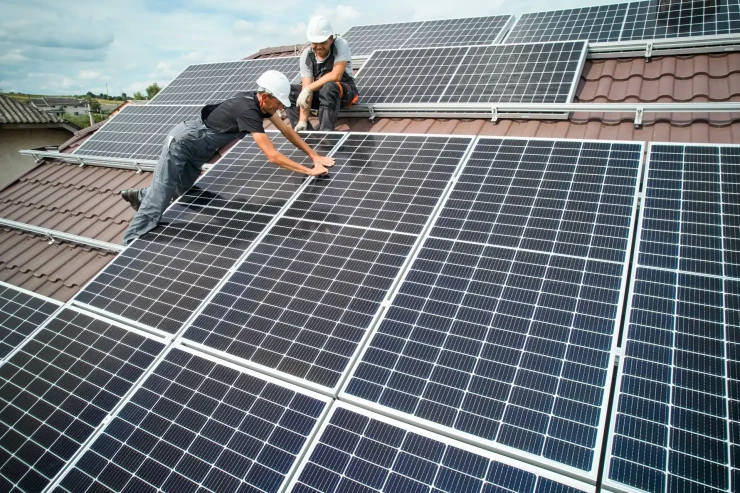
Credit: www.renewableenergyhub.co.uk
Challenges And Limitations
Solar power is a promising energy solution in Florida, often dubbed the “Sunshine State” for its abundant sunlight. Yet, generating sufficient solar energy to power a home comes with its own set of challenges and limitations. Understanding these hurdles can help you make informed decisions when considering solar installations.
Weather Variability
Florida’s weather is famously unpredictable. While the state enjoys plentiful sunshine, it also experiences frequent rain and stormy days. This variability can impact the consistency of solar energy production. On cloudy or rainy days, solar panels may generate less power, making it essential to have backup energy solutions in place.
Consider how you will manage energy needs during hurricane season. The storms can last days and significantly reduce solar output. Would having a battery storage system be the answer to these unpredictable fluctuations?
Space And Installation Issues
Not every home in Florida has the ideal roof for solar panel installation. Homes with shaded areas or awkward roof angles may struggle to maximize solar energy capture. Before installation, assess your roof’s potential for solar panels. Is there enough space to meet your energy needs?
Moreover, homeowners associations (HOAs) might have regulations affecting solar installations. It’s wise to check any restrictions that could impact your plans. Would working with a local solar contractor help navigate these barriers more smoothly?
Success Stories
Florida, the Sunshine State, is buzzing with success stories of homeowners who have harnessed solar power to meet their energy needs. These inspiring accounts reveal how solar panels are not just a sustainable choice but a financially savvy investment. As you explore these stories, think about the potential impact solar energy could have on your home and savings.
Case Studies In Florida
In Orlando, the Martinez family installed solar panels and saw their electricity bill drop by 80%. Their home now generates more energy than it consumes, allowing them to sell excess power back to the grid. The savings have been redirected towards family vacations and home improvements.
Meanwhile, in Miami, a retired couple invested in solar energy to reduce their monthly expenses. They now enjoy significant savings and the peace of mind that comes with contributing to environmental sustainability. Their success story has inspired neighbors to follow suit.
Lessons Learned
These success stories highlight the importance of choosing the right solar provider. Quality installation and reliable service can make a huge difference in long-term performance and savings.
Another crucial lesson is understanding local regulations and incentives. By leveraging Florida’s solar tax credits and rebates, homeowners can maximize their return on investment.
Consider your home’s energy needs and roof space. Tailoring solar solutions to your specific circumstances leads to optimal results. How would solar power transform your energy consumption and financial health?
Credit: www.renewableenergyhub.co.uk
Future Of Solar In Florida
The sunshine state of Florida is not just a paradise for beach lovers—it’s also rapidly becoming a hotspot for solar energy. With abundant sunshine almost year-round, homeowners are increasingly looking at solar power as a viable option. But what does the future hold for solar energy in Florida?
Technological Innovations
Solar technology is advancing at a breathtaking pace. Imagine solar panels that are not only more efficient but also more affordable. Companies are investing heavily in research to create panels that can capture more sunlight even on cloudy days.
Battery storage solutions are evolving too, making it possible to store excess power for nighttime use. The innovations don’t stop there. Concepts like solar shingles and transparent solar cells could soon become household staples.
Have you considered how these advancements could transform your energy needs? The future of solar in Florida promises not only efficiency but also aesthetic appeal, blending seamlessly with modern architecture.
Growth Predictions
The solar industry in Florida is set for exponential growth. With more homeowners opting for solar installations, experts predict a significant increase in solar capacity. Florida’s solar market is expected to grow by double digits annually, fueled by favorable policies and incentives.
Local governments are stepping up their game by offering tax breaks and rebates, making solar installations more financially feasible. This growth isn’t just about numbers. It’s about empowering you with the freedom to control your energy consumption.
How do you envision your home contributing to Florida’s solar future? Investing in solar today could mean substantial savings and energy independence tomorrow.
Frequently Asked Questions
Is It Worth It To Get Solar In Florida?
Yes, installing solar in Florida is worth it. The state offers ample sunshine, tax incentives, and lower energy bills. Solar panels increase property value and provide long-term savings. Florida’s net metering allows excess energy to be sold back to the grid, enhancing financial benefits.
Can A House Be 100% Solar Powered?
Yes, a house can be 100% solar powered with efficient solar panels and energy storage systems. Proper planning and installation ensure sufficient energy generation. Battery storage systems help maintain power supply during cloudy days or nights. Sustainable practices enhance self-sufficiency and reduce reliance on the grid.
Can You Go Off Grid With Solar In Florida?
Yes, you can go off-grid with solar in Florida. Reliable solar panels and battery storage make it feasible. Ensure compliance with local regulations and permits. Consult professionals to design an efficient system tailored to your energy needs.
Why Is My Electric Bill So High When I Have Solar Panels?
Solar panels may not cover all energy needs, especially during cloudy days or peak usage times. Check system efficiency and energy consumption habits. Ensure proper installation and maintenance of panels to maximize output. Monitor energy usage patterns to identify high consumption sources and adjust accordingly.
Conclusion
Florida’s sunny climate offers great potential for solar power. Many homes can benefit from solar panels. These panels harness the sun’s energy effectively. Costs for solar installation are reducing. Savings on energy bills are appealing. Homeowners can gain more energy independence.
Solar power contributes to a greener planet. It’s a smart choice for long-term benefits. Consideration of roof space is crucial. Also, check local regulations and incentives. Solar power in Florida is promising. It offers clean, renewable energy for households. Start exploring solar options today.