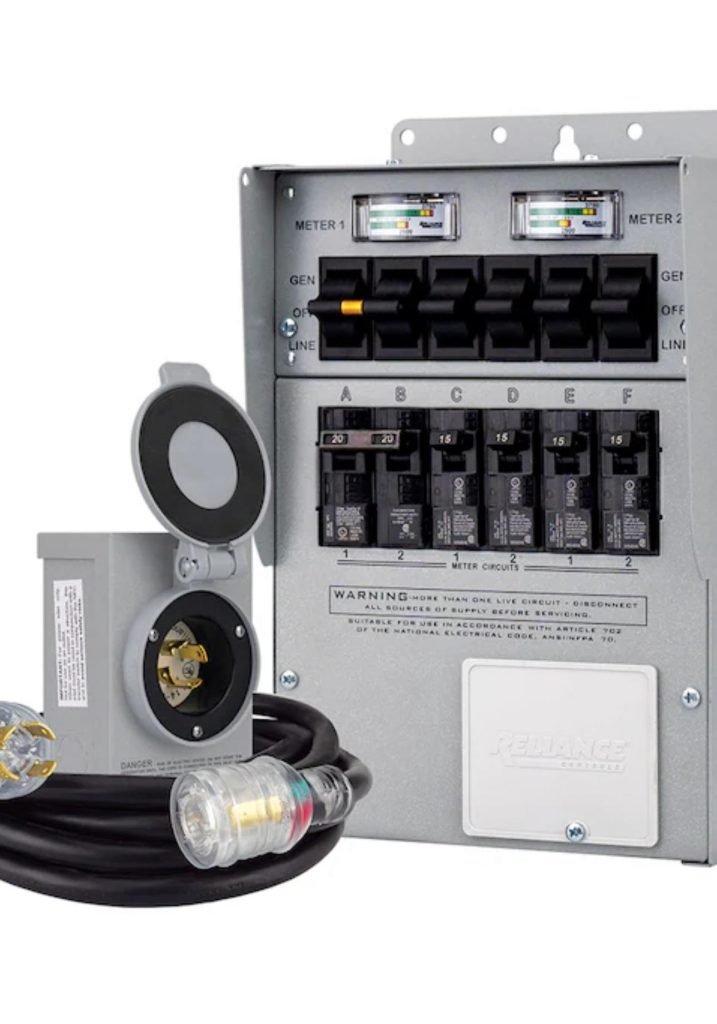
Are you considering adding more circuits to your transfer switch? Whether you’re looking to enhance your home’s power management or simply want to ensure uninterrupted electricity during outages, expanding your transfer switch capacity can be a smart move.
But before you dive in, it’s crucial to understand the ins and outs of this process. In this guide, we’ll explore the possibilities, benefits, and potential challenges of adding more circuits. By the end, you’ll know exactly what steps to take, ensuring your home remains powered no matter what.
Stick with us as we unravel this electrifying topic, ensuring you make informed and effective decisions for your home’s electrical needs.

Credit: www.onesto-ep.com
Basics Of Transfer Switches
A transfer switchsafely shifts power between a main source and a backup. It helps keep power flowing during outages. This device prevents power from coming from both sources at once. That keeps people and equipment safe.
Types Of Transfer Switches
- Manual transfer switchesneed someone to flip a switch to change power sources.
- Automatic transfer switcheschange power sources by themselves when they detect an outage.
- Open transition switchesbriefly disconnect power before switching sources.
- Closed transition switchesswitch power without any break in the flow.
How Transfer Switches Work
Transfer switches connect a generator or alternate power source to your home or building. When power from the main source stops, the switch moves to the backup. It does this quickly to keep devices running. Once main power returns, the switch moves back.
Common Applications
- Homes with backup generators for power outages.
- Hospitals that need constant electricity.
- Data centers to protect computers and servers.
- Businesses with critical equipment requiring no downtime.
Circuit Capacity Limits
The load ratingof a transfer switch shows the maximum power it can handle. Exceeding this limit can cause overloadand damage. Always check the manufacturer specificationsfor the exact circuit capacity. These specs guide safe use and prevent electrical issues.
Adding more circuits than the transfer switch supports can strain the electrical system. It may cause frequent trips or system failure. The switch and connected wiring must handle the total load safely. Consider the impact on your home’s wiringand breaker panel.
| Factor | Details |
|---|---|
| Load Rating | Maximum power the switch can safely handle |
| Manufacturer Specifications | Guidelines on circuit limits and installation |
| Electrical System Impact | Risk of overload, wiring damage, and breaker trips |
Adding Circuits Safely
Check the capacityof your current transfer switch. It must handle the extra circuitssafely. Know the maximum amperageit supports. Also, verify the breaker slotsavailable.
Choose componentsthat match your transfer switch brand and model. Use compatible breakersand wiring. This avoids electrical hazardsand equipment damage.
- Hire a licensed electricianfor installation.
- Ensure local electrical codesare followed.
- Turn off power before starting work.
- Test circuits after installation for safety.
Potential Risks And Challenges
Adding extra circuits to a transfer switch can cause overloading risks. This happens when the total electrical load goes beyond the switch’s limit. Overload can lead to tripped breakersor even damage to your electrical system.
Code compliance issuesarise when circuits are added without following local electrical rules. These rules ensure safety and proper operation. Ignoring them may lead to legal problemsand voided warranties.
Troubleshooting problemsbecome harder with more circuits. Identifying which circuit causes a fault can take more time. This may lead to longer downtimeand extra repair costs.
Upgrading Transfer Switches
Adding circuits to a transfer switch depends on your power needs. Upgradewhen your current switch cannot handle new loads safely. This usually happens if you add big appliances or tools.
Choose a switch that fits your home’s power use. Look for one with enough capacityand slotsfor future circuits. The switch must match your generator’s output and your main panel.
Installation needs careful planning. Make sure to follow local electrical codes. It is safer to hire a licensed electrician. They can avoid problems and ensure proper wiring.
Credit: www.costco.ca
Maintenance And Testing
Routine inspections help catch problems before they grow. Check for loose connections and signs of wear. Look for dirt or moisture that can cause damage. Keep the transfer switch clean and dry for best performance.
Testing procedures confirm the switch works correctly. Test the switch under load to see if it transfers power smoothly. Use a multimeter to check voltage and continuity. Regular tests help find faults early and avoid power loss.
Ensuring long-term reliability means scheduling inspections and tests often. Keep records of maintenance activities. Replace parts that show wear or damage. Proper care extends the life of the transfer switch and keeps circuits safe.

Credit: www.reddit.com
Frequently Asked Questions
Can I Add More Circuits To My Existing Transfer Switch?
Yes, you can add more circuits if the transfer switch supports expansion. Check the switch’s capacity and consult a licensed electrician before upgrading.
What Limits The Number Of Circuits On A Transfer Switch?
The main limit is the transfer switch’s rated capacity. Adding circuits beyond its capacity risks overload and safety issues.
Is Professional Installation Required For Adding Circuits To Transfer Switch?
Yes, always hire a licensed electrician. They ensure safe, code-compliant installation and prevent electrical hazards during circuit additions.
How Do I Know If My Transfer Switch Can Handle More Circuits?
Review the manufacturer’s specifications or user manual. It will state maximum circuit capacity and expansion options clearly.
Conclusion
Adding more circuits to a transfer switch needs careful thought. Check the switch’s capacity first. Overloading can cause safety risks and damage. Always follow electrical codes and guidelines. Consult a professional electrician when unsure. Proper installation keeps your system safe and reliable.
Planning helps avoid costly mistakes later. Stay informed and maintain your transfer switch well. This ensures power transfers smoothly during outages. Simple steps make a big difference in safety. Take your time and choose the right solution.