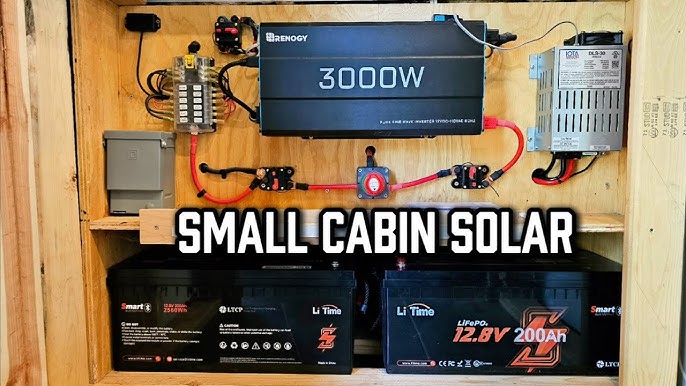
Imagine having the power to harness the sun’s energy right in your backyard, without relying on anyone else. You might be wondering, “Can I build my own solar generator system?”
The answer is not only yes, but it might be easier than you think. As you read on, you’ll discover the simple steps to create your own solar power solution that can save you money and reduce your carbon footprint.
You’ll learn why this DIY project is becoming a popular choice for homeowners and how it can be tailored to fit your personal energy needs. Whether you’re a seasoned DIY enthusiast or just curious about renewable energy, this article will guide you through the essentials. Get ready to unlock the potential of solar energy and take control of your power supply!

Credit: m.youtube.com
Benefits Of A Diy Solar Generator
Building your own solar generator system offers cost savings and customization. It’s an eco-friendly way to power your devices, reducing reliance on traditional energy sources. Perfect for those who enjoy hands-on projects and want to harness renewable energy.
Building your own solar generator system offers numerous advantages. It empowers you to harness renewable energy while saving money. Creating a DIY solar generator is both rewarding and practical. It serves as an excellent project for learning about solar power. Below are some compelling benefits of building your own solar generator.Cost Savings
Building a solar generator yourself can be more affordable. Commercial solar systems can be expensive. By sourcing parts individually, you manage costs better. DIY projects often allow you to use recycled materials. This approach saves money and reduces waste.Customization
DIY solar generators are customizable. Tailor the system to meet your energy needs. Choose components that suit your lifestyle. Whether for camping or home use, adjust the size and capacity. Personalization ensures efficiency and satisfaction.Educational Experience
Creating your solar generator is a learning journey. It enhances your knowledge of renewable energy. You understand how solar panels convert sunlight to electricity. This hands-on experience boosts technical skills. It’s a practical way to learn about sustainable energy.Environmental Impact
DIY solar generators reduce reliance on fossil fuels. They harness clean, renewable energy from the sun. This choice minimizes carbon footprint. It contributes positively to environmental conservation efforts. A personal solar system is a step towards sustainability.Independence And Reliability
Owning a solar generator provides energy independence. It ensures power during outages or in remote areas. Reliable energy access becomes a reality. You’re no longer solely dependent on the grid. This autonomy is both empowering and practical.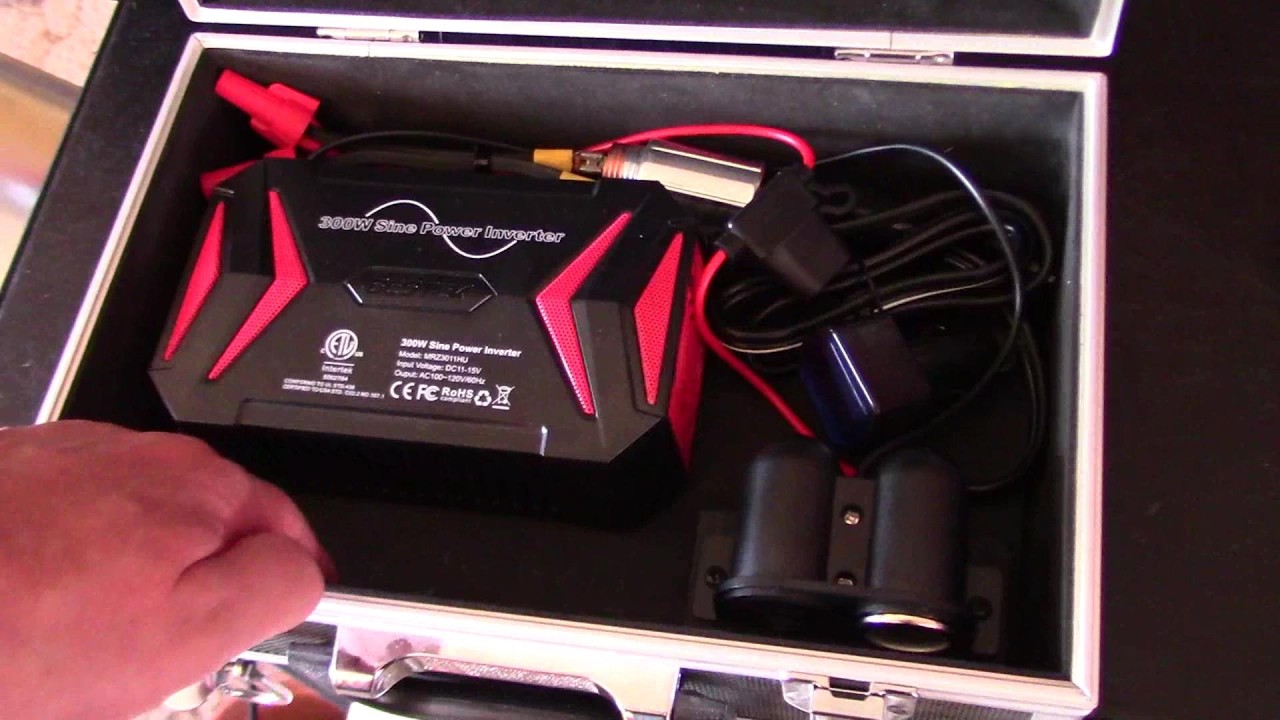
Credit: www.youtube.com
Essential Components
Building your own solar generator system can be an exciting and rewarding project. But before you dive in, it’s crucial to understand the essential components that make up a solar generator. Each part plays a vital role in harnessing the sun’s energy and converting it into electricity you can use. Let’s break down these components to help you get started on your solar journey.
Solar Panels
Solar panels are the heart of your solar generator. They capture sunlight and convert it into electricity. When choosing panels, consider the wattage and efficiency. Higher efficiency panels generate more power even in less sunlight, which is ideal if space is limited. You might be surprised how much power you can generate on a sunny day with just a few panels.
Battery Storage
Batteries store the electricity generated by your solar panels. This allows you to use power even when the sun isn’t shining. You’ll need to consider the battery’s capacity and lifespan. Opt for deep-cycle batteries designed for repeated charging and discharging. This ensures you have a reliable power source when you need it.
Inverter
An inverter is essential for converting the direct current (DC) produced by solar panels into alternating current (AC), which powers most household appliances. Choose an inverter that matches your energy needs. A pure sine wave inverter is ideal for sensitive electronics, ensuring smooth and efficient operation. Have you thought about what type of appliances you’ll power with your solar setup?
Charge Controller
The charge controller is often overlooked but is crucial in regulating the power going into the battery. It prevents overcharging and extends battery life. Look for a charge controller with maximum power point tracking (MPPT) technology. This optimizes energy harvest from the solar panels, especially during variable weather conditions. Have you considered how you will maximize your solar system’s efficiency?
Each component is a critical piece of the puzzle, and understanding their roles will help you design an efficient and effective solar generator system. By carefully selecting and assembling these parts, you can harness the sun’s power and take a step towards energy independence.
Choosing The Right Solar Panels
Choosing the right solar panels is crucial for your solar generator system. The panels you select will determine efficiency and energy output. Understanding different types and their features helps make an informed choice.
Types Of Solar Panels
Solar panels come in various types, each with unique properties.
- Monocrystalline Panels:Made from single silicon crystals. Known for high efficiency and sleek design.
- Polycrystalline Panels:Made from multiple silicon crystals. Usually cheaper but less efficient.
- Thin-Film Panels:Flexible and lightweight. Ideal for unconventional spaces but less efficient.
Efficiency And Wattage
Panel efficiency measures how well it converts sunlight into electricity. Higher efficiency panels produce more power.
Wattage indicates the energy output capacity. Choosing panels with suitable wattage ensures your system meets energy needs.
Evaluate efficiency and wattage to match your energy goals and budget.
Battery Selection
Selecting the right battery is crucial for building your own solar generator system. Consider battery type, capacity, and lifespan. Ensure compatibility with solar panels for efficient energy storage.
Selecting the right battery for your solar generator system is a crucial step in ensuring efficiency and longevity. The battery you choose not only determines the capacity and lifespan of your system but also its overall performance. Making an informed choice can mean the difference between a reliable power source and frequent headaches.Types Of Batteries
When it comes to solar generators, three main types of batteries often come up: lead-acid, lithium-ion, and saltwater. – Lead-acid batteries are the most affordable and have been around the longest. They are reliable but require regular maintenance and have a shorter lifespan. – Lithium-ion batteries are more modern, boasting longer lifespans and requiring little to no maintenance. They are, however, more expensive upfront. – Saltwater batteries are the new kids on the block, offering an eco-friendly option with no heavy metals. They’re safe and easy to recycle but are less common and can be harder to find. Each type has its pros and cons, and your choice will depend on your specific needs and budget.Capacity And Lifespan
Capacity is measured in kilowatt-hours (kWh) and determines how much energy your battery can store. Think about how much energy you need daily. A smaller capacity might be sufficient for a weekend camping trip, but for home backup, you’ll need something more robust. The lifespan of a battery is another key factor. Lithium-ion batteries typically last longer, often up to 10 years, whereas lead-acid batteries might need replacing after 3-5 years. Consider how often you want to replace your battery and whether you’re willing to pay more upfront for a longer lifespan. What if your battery doesn’t match your energy needs? You might end up with power shortages or, conversely, excess energy that goes unused. So, it’s crucial to get this balance right from the start. Ultimately, your choice in battery selection should reflect your energy needs, budget, and environmental values.Inverter Options
Exploring inverter options is crucial for building a solar generator system. Choose wisely to match your energy needs. Proper selection ensures efficient power conversion for your DIY setup.
Inverter options are crucial for building a solar generator system. They convert DC power from solar panels into AC power for home use. Choosing the right inverter ensures your system runs efficiently and safely.Pure Sine Wave Vs. Modified Sine Wave
Pure sine wave inverters produce smooth, even voltage. They are ideal for sensitive electronics like laptops and TVs. Modified sine wave inverters are less expensive. They work well for simpler devices like lights and tools. Pure sine wave inverters provide cleaner power. This reduces the risk of damage to electronics. Modified sine wave inverters may cause noise and overheating in certain devices.Sizing The Inverter
Proper inverter sizing is essential. Calculate your total wattage needs first. Add up the wattage of all devices you plan to power. Choose an inverter with a higher capacity to ensure efficiency. This avoids overloading and potential damage. Inverter size impacts the overall cost and performance. A too-small inverter will struggle, while an oversized one wastes energy.Charge Controller Types
Building a solar generator system requires understanding charge controllers. There are mainly two types: PWM and MPPT. PWM controllers are cost-effective for small systems, while MPPT controllers are efficient for larger setups. Selecting the right type ensures optimal energy management.
Building your own solar generator system involves understanding various components, including charge controllers. These devices ensure that your solar panels charge your battery efficiently and safely. Without a proper charge controller, your system might overcharge or undercharge your battery. There are different types of charge controllers, each with its own advantages and considerations.Pwm Vs. Mppt
Pulse Width Modulation (PWM) controllers are simpler and more affordable. They regulate the battery charging process by pulsing power to the battery. This method works best for smaller systems or when cost is a concern. Maximum Power Point Tracking (MPPT) controllers are more advanced and efficient. They adjust the voltage to extract maximum power from solar panels. MPPT controllers are ideal for larger systems where efficiency is crucial.Sizing The Controller
Choosing the right size controller is essential for your system’s performance. Start by calculating the total amperage of your solar array. Ensure your controller can handle this amperage comfortably. Consider future expansion. Opt for a controller that supports additional panels if needed. Check voltage compatibility. The controller should match your battery’s voltage requirements.Connecting The System
Building your own solar generator system can be a rewarding project. Connect solar panels, batteries, and an inverter to create a sustainable energy source. This setup offers a practical solution for powering small devices and reducing reliance on the grid.
Connecting your solar generator system is a crucial task. It ensures the panels, batteries, and inverter work together seamlessly. This part involves several components that need careful handling. Proper connection is essential for efficient energy production.Wiring And Safety
Wiring connects all parts of your solar system. Use wires suited for outdoor conditions. They should be insulated to prevent short circuits. Secure them with clips to avoid tangling. Safety is a top priority. Always turn off your system during wiring. Wear gloves and safety glasses for protection. Double-check connections before powering up.Testing And Troubleshooting
Testing verifies your system’s functionality. Start by checking the voltage output from solar panels. Ensure it matches the expected levels. Test the battery charging process. It should be smooth without interruptions. If issues arise, troubleshooting is key. Look for loose connections or damaged wires. Use a multimeter for precise measurements. Fix any faults promptly to maintain system health.Cost Considerations
Building your own solar generator system involves careful budgeting for components like panels, batteries, and inverters. Cost varies based on system size and quality of materials. DIY projects can save money, but initial expenses may be significant.
Building your own solar generator system can be an exciting venture, but understanding the cost considerations is crucial. It’s not just about the upfront investment; it’s about weighing the long-term savings and benefits. By carefully analyzing the expenses involved, you can ensure that your DIY solar project is both cost-effective and efficient.Budgeting For Components
When planning your solar generator, you need to account for various components like solar panels, batteries, an inverter, and charge controllers. Prices for these items can vary widely based on quality and capacity. Consider starting with a basic setup and upgrading as needed. For instance, you might find that a few high-efficiency panels meet your current needs and leave room for expansion. Shopping around for deals or refurbished parts can also help stretch your budget further. Remember to include additional costs for wiring, mounting hardware, and safety equipment. These smaller expenses can add up quickly but are essential for a functioning system.Potential Savings
A solar generator can lead to significant savings on electricity bills over time. By generating your own power, you reduce reliance on the grid and can even eliminate your electricity costs entirely. Consider how much sunlight your location receives annually. More sun means more energy, which translates to greater savings. Additionally, government incentives and tax credits can offset initial costs. Check for local programs that could reimburse part of your expenses or offer other financial benefits. Building your own solar generator can also increase your property’s value. Prospective buyers often see solar systems as a desirable feature, potentially boosting resale value. What if you could cut your electricity bill in half or even eliminate it? The initial investment might seem daunting, but the long-term financial benefits can make it worthwhile.Maintenance Tips
Building your own solar generator system can be a rewarding project. Start by researching the necessary components and tools. Regular maintenance, like cleaning panels and checking connections, ensures efficiency.
Maintaining your solar generator system ensures its efficiency and longevity. Regular upkeep prevents unexpected breakdowns and maximizes energy output. Here are some key maintenance tips to keep your solar system in top shape.Regular Checks
Inspect your solar panels monthly. Look for dirt, debris, or damage. Keep the panels clean for optimal sunlight absorption. Ensure all connections are tight and corrosion-free. A quick visual check can prevent major issues.Battery Care
Batteries are crucial for energy storage. Monitor their charge and discharge cycles. Avoid complete discharge to extend battery life. Check for any leaks or corrosion at terminals. Clean and tighten connections regularly. Proper battery care boosts system efficiency.Legal And Regulatory Aspects
Understanding local laws is crucial before building a solar generator system. Research permits, zoning restrictions, and safety standards. Compliance ensures your system is legally sound and functional.
Building your own solar generator system can be an exciting project, offering both environmental benefits and potential cost savings. However, navigating the legal and regulatory aspects is crucial to ensure your system is safe and compliant. Let’s explore some key considerations you need to keep in mind.Permits And Inspections
Before you start assembling your solar generator, you may need to obtain certain permits. Local building codes often require permits for installing solar panels or any electrical systems. Check with your city or county office to find out the specific requirements. Inspections are typically part of the permitting process. An inspector will verify that your setup meets safety standards. This step is crucial, as it protects both you and your property from potential hazards.Grid-tie Considerations
If you’re planning to connect your solar generator system to the grid, there are additional regulations to consider. Utility companies often have specific requirements for grid-tied systems to ensure they don’t disrupt the electricity network. You’ll likely need to install a grid-tie inverter, which converts the DC power from your solar panels into AC power that the grid can use. Be sure to discuss your plans with your utility provider early on. They can provide guidance on interconnection agreements and any fees that might apply. Have you thought about how these legal aspects might impact your timeline or budget? Being prepared can save you from unexpected surprises and ensure a smooth installation process.
Credit: shopsolarkits.com
Frequently Asked Questions
Is It Cheaper To Build Your Own Solar Generator?
Building your own solar generator can be cheaper. It saves on labor costs and allows customization. DIY kits and components are often more affordable than pre-made systems. You can tailor the generator to your needs, potentially lowering expenses further. Research and planning help in achieving cost-effectiveness.
Can I Build My Own Solar Generator?
Yes, you can build your own solar generator. Gather solar panels, batteries, and an inverter. Connect them properly to store and convert energy. Ensure safety measures are followed. Research components and instructions for efficiency. This DIY project can save costs and offer renewable energy solutions.
How Long Will A 1000 Watt Solar Generator Run A Refrigerator?
A 1000 watt solar generator can power a refrigerator for about 8-12 hours. This depends on the refrigerator’s energy consumption and usage. Always check your refrigerator’s wattage to ensure compatibility with the generator for optimal performance. Efficient energy management can extend runtime.
How Big Of A Solar Generator Do You Need To Power A House?
A solar generator needs 5,000 to 10,000 watts to power a house. Calculate based on energy usage and appliances. Consider battery capacity, inverter size, and solar panel efficiency for optimal performance. Consult a professional to assess specific needs and ensure a reliable setup for your home.
Conclusion
Building your own solar generator system is possible and rewarding. It saves money and reduces your carbon footprint. Start small and expand as you learn. Research is key. Gather all necessary tools and materials. Follow safety guidelines closely. Enjoy the process of assembling your system.
Monitor its efficiency over time. Adjust and improve as needed. Your efforts contribute to a sustainable future. Embrace this eco-friendly project. Share your experiences with others. Inspire them to try it too. A brighter, cleaner world awaits. Dive into solar energy today.
Your journey begins with a single step.