Imagine this: you’ve invested in a solar power system to embrace green energy and reduce your electricity bills. It’s a sunny day, and your solar batteries are working hard, soaking up all that radiant energy.
But then, clouds roll in, or night falls, and your energy supply is not as robust as you’d like. You might wonder, “Can I charge my solar batteries with a generator? ” This thought might have crossed your mind during a power outage, or perhaps you’re just curious about maximizing your energy independence.
Whatever the reason, understanding how to efficiently use a generator alongside your solar setup could be the key to uninterrupted power. We’ll explore the feasibility, benefits, and potential challenges of using a generator to charge your solar batteries. Stick around to uncover the truth about this intriguing energy combo and how it could empower your home or business.
Credit: yourenergyanswers.com
Charging Solar Batteries With Generators
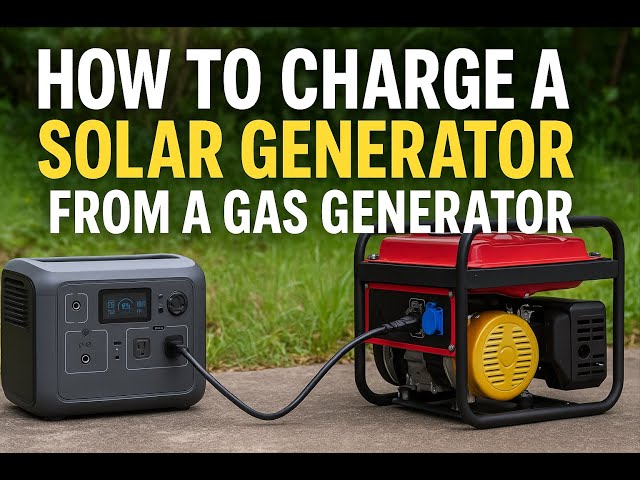
Charging solar batteries with a generator is possible. Connect the generator to an inverter, then to the battery. This method provides power when sunlight is not available. Ensure compatibility between the generator and battery system for efficient charging.
Charging solar batteries with a generator can be practical. Especially during cloudy days or emergencies. Generators provide a reliable power source. They can help keep solar systems running smoothly. This method ensures that your solar batteries are always ready.Compatibility And Requirements
Not all generators are suitable for charging solar batteries. Check if your generator can provide the necessary voltage and current. Most solar battery systems have specific charging requirements. Using an incompatible generator can damage your batteries. To avoid issues, use a generator with a compatible inverter. This helps maintain the correct charging conditions.Safety Precautions
Safety is crucial when charging batteries. Place the generator outdoors to prevent carbon monoxide buildup. Ensure that the area is dry and well-ventilated. Check all cables and connections for wear or damage. Faulty wires can cause short circuits. Keep children and pets away from the generator while in use. Always follow the manufacturer’s instructions. Proper handling prevents accidents and prolongs battery life.Types Of Generators Suitable For Solar Batteries
Charging solar batteries with a generator is possible using different types. Inverter generators offer cleaner energy, ideal for sensitive solar systems. Portable generators provide versatility, while diesel generators ensure reliable power for larger setups.
Portable Vs. Standby Generators
Portable generators offer flexibility and mobility. They’re easy to transport and use wherever needed. Ideal for temporary power needs or remote locations. They’re usually compact and user-friendly. However, they may have limited power output. Standby generators provide a permanent solution. They automatically start during a power outage. These generators offer higher power output. Suitable for large solar battery systems. They’re more expensive but efficient for long-term use.Inverter Generators
Inverter generators are known for their efficiency. They provide stable power output, protecting battery health. They’re quieter and more fuel-efficient than traditional generators. Ideal for sensitive electronics and solar batteries. Inverter generators adjust engine speed to the power required. This feature reduces noise and fuel consumption. They’re compact, lightweight, and easy to operate.Steps To Charge Solar Batteries With A Generator
Charging solar batteries with a generator is possible by using an inverter or battery charger. Ensure compatibility between the generator and solar battery system. Connect the generator to the inverter or charger, then charge the batteries safely.
Charging solar batteries with a generator is a useful backup. It ensures continuous power during cloudy days or at night. Follow these simple steps to efficiently charge your solar batteries using a generator. This guide will help you connect and monitor the charging process effectively.Connecting Your Generator
First, ensure the generator’s output matches the battery’s voltage. This prevents damage. Use a high-quality charge controller between the generator and the battery. This regulates the charging voltage. Connect the generator to the charge controller with appropriate cables. Then, connect the charge controller to the battery. Secure all connections to avoid power loss or short circuits.Monitoring The Charging Process
Keep an eye on the battery’s charge level. Overcharging can harm the battery. Use a multimeter to check the voltage regularly. Adjust the generator’s runtime based on the battery’s needs. Listen for any unusual sounds from the generator. Check for overheating or other issues. Turn off the generator when the battery is fully charged. This preserves battery health and extends its lifespan.
Credit: www.reddit.com
Benefits Of Using A Generator
Charging solar batteries with a generator provides a reliable power backup during cloudy days. This method ensures uninterrupted energy supply, keeping essential devices running smoothly. It’s a practical solution for maintaining battery health and efficiency when sunlight is insufficient.
Enhanced Energy Independence
Imagine not having to rely solely on the sun for power. By using a generator, you create an additional layer of energy independence. It’s like having a backup plan that keeps you covered during cloudy days or nighttime. This independence means less worry about power outages disrupting your daily life. You maintain control over your energy supply, tailoring it to your specific needs without waiting for the weather to cooperate.Backup Power Solutions
Generators provide a reliable backup power source when solar energy isn’t enough. This is especially useful during emergencies or prolonged periods of bad weather. Think about the peace of mind knowing that your essential appliances can keep running. Whether it’s keeping the fridge cold or ensuring your home stays illuminated, a generator steps in when your solar setup needs a helping hand. Have you ever wondered how to keep your power constant during a power cut? A generator might just be the solution you’re looking for. Using a generator also extends the lifespan of your solar batteries. By preventing them from deep discharging, you ensure they stay healthy longer. This dual approach of solar and generator not only boosts efficiency but also saves you money in the long run.Challenges And Considerations
Charging solar batteries with a generator presents unique challenges. While combining these technologies offers flexibility, it also requires careful planning. Ensuring efficiency and sustainability is key. Consider several factors before proceeding.
Fuel Consumption
Generators rely on fuel to operate. This can lead to increased costs. Frequent refueling becomes a necessity. The type of fuel used affects the overall expense. Gasoline, diesel, and propane vary in price and availability. Calculate the fuel needed for optimal charging. This helps manage expenses effectively.
Environmental Impact
Generators emit pollutants during operation. This can harm the environment. Exhaust fumes contribute to air pollution. Noise pollution is another concern. Using a generator for long periods increases these impacts. Consider the generator’s efficiency and emissions. Opt for models with lower environmental footprints.

Credit: www.facebook.com
Alternatives To Generator Charging
Charging solar batteries with a generator offers flexibility during low sunlight periods. This method can ensure reliable power supply, especially in off-grid areas. Combining both systems can provide a balanced energy solution, minimizing downtime and enhancing efficiency.
Charging your solar batteries with a generator is a feasible option, but there are more sustainable alternatives you might consider. Exploring different methods can not only save on fuel costs but also reduce your environmental footprint. Have you thought about how much cleaner and efficient other solutions could be?Grid Power Charging
If your home or business is connected to the power grid, using grid power to charge your solar batteries is a straightforward option. – Convenience: It provides a consistent source of energy without the noise and maintenance of a generator. – Cost Efficiency: Especially useful if you have access to off-peak rates, which can drastically reduce your electricity bills. – Reliability: During periods of low solar production, grid power ensures your batteries are fully charged and ready for use. Imagine enjoying a quiet evening without the roar of a generator. That’s the kind of peace grid power can bring while keeping your batteries topped up.Hybrid Systems
Hybrid systems seamlessly combine solar panels with other energy sources, offering flexibility and resilience. – Solar and Wind: Pairing solar panels with wind turbines can maximize energy collection, regardless of the weather. – Smart Management: These systems often include smart controllers that optimize charging, ensuring your batteries are charged efficiently. – Backup Assurance: With multiple sources, you have a built-in backup, reducing the risk of power shortages. Think about the freedom and independence a hybrid system offers. You can harness the power of nature, guaranteeing energy availability even when the sun isn’t shining. Embrace these alternatives and redefine your approach to energy consumption. Isn’t it time to consider how these options can enhance your solar setup?Frequently Asked Questions
Can I Use My Generator To Charge My Solar Battery?
Yes, you can use a generator to charge your solar battery. Ensure compatibility with the battery’s voltage and capacity. Use a suitable charge controller to prevent overcharging and damage. Always follow the manufacturer’s instructions for safe operation.
What Size Generator To Charge Solar Battery?
Choose a generator with output matching your solar battery’s voltage and capacity needs. Typically, a 2,000 to 3,000-watt generator is suitable for most solar battery charging requirements. Consult your battery specifications to ensure compatibility and optimal performance.
Can You Charge Lithium Batteries With A Generator?
Yes, you can charge lithium batteries with a generator. Ensure the generator has a compatible inverter. Use a battery charger that matches the lithium battery specifications for safe charging. Always monitor the charging process to prevent overcharging or damage.
Can I Connect A Generator To My Solar System?
Yes, you can connect a generator to your solar system. Use a transfer switch to safely integrate both. Ensure compatibility with your system’s voltage and capacity. This setup provides backup power during low solar output or outages. Consult a professional for installation to avoid damage and ensure efficiency.
Conclusion
Charging solar batteries with a generator is possible and useful. It offers flexibility when sunlight is scarce. Ensure compatibility between the generator and solar battery system. Always follow safety precautions to avoid damage. Regular maintenance keeps both devices efficient. This method supports energy needs in challenging times.
Remember, solar energy remains the primary source. Generators act as a helpful backup. Proper usage extends battery life. Invest in quality equipment for better results. This approach helps maintain power stability. Explore different options to find what suits you best.