Have you ever wondered if you can connect a generator to your solar system? You’re not alone.
Many homeowners like you are exploring ways to enhance their solar setups. A generator can offer flexibility and assurance, especially during cloudy days or unexpected power outages. Imagine never having to worry about running out of power, even when the sun isn’t shining.
We’ll unlock the secrets to combining these energy sources effectively, giving you peace of mind and uninterrupted power. Let’s dive in and discover how you can make your solar system even more reliable.
Basics Of Solar Systems
Combining a generator with a solar system requires careful planning. A transfer switch is essential for safe operation. This setup ensures seamless power supply during cloudy days or high energy demand.
Understanding the basics of solar systems is essential if you’re considering connecting a generator to your setup. Solar systems are becoming increasingly popular as people seek sustainable energy solutions. However, integrating a generator can provide a safety net during times when solar power isn’t sufficient. Before diving into the details of connecting these systems, let’s break down the foundational elements of how solar systems work.Components Of Solar Systems
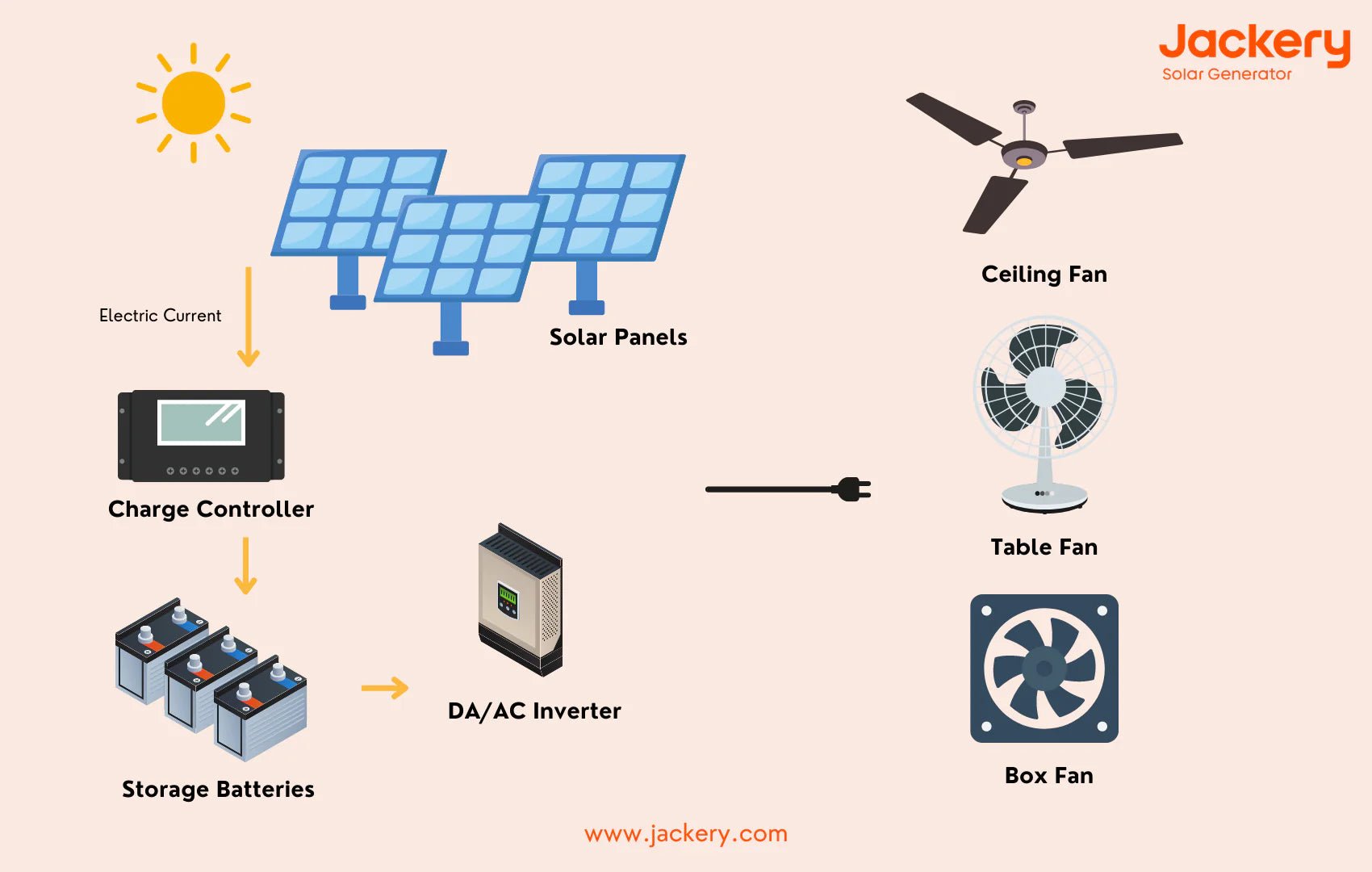
Solar systems consist of several key components that work together to harness and utilize solar energy. – Solar Panels: These are the most visible part of the system. They capture sunlight and convert it into electricity. – Inverter: Converts the direct current (DC) generated by the panels into alternating current (AC), which is used by most home appliances. – Battery Storage: Stores excess energy for use during cloudy days or at night. – Charge Controller: Regulates the voltage and current coming from the solar panels to prevent batteries from overcharging. – Metering and Monitoring System: Tracks the energy production and consumption, helping you optimize usage. Each component plays a crucial role in ensuring your solar system operates efficiently.How Solar Systems Work
At its core, a solar system captures sunlight and transforms it into electricity. The process starts with solar panels absorbing sunlight and generating DC electricity. This DC power then flows to the inverter, where it’s converted into AC electricity, ready to power your home. If you have a battery storage system, any surplus energy is stored for later use. This setup allows you to use solar power even when the sun isn’t shining. A reliable monitoring system is vital as it helps you understand how much energy you’re producing and using. Ever wondered how much sunlight you really need to power your home? Regular monitoring can give you those insights. By grasping these basics, you can better appreciate how a generator might fit into your solar system, offering backup power when needed.
Credit: www.youtube.com
Generators And Their Functions
Connecting a generator to a solar system is possible and enhances energy reliability. This setup ensures consistent power supply during low sunlight or high demand periods. Proper integration requires compatible equipment and professional guidance to ensure safety and efficiency.
Types Of Generators
Generators come in various types, each suited for different needs. Portable generators are compact and perfect for emergencies or small power needs. They are easy to move around and can provide electricity during a power outage. Standby generators are larger, permanent fixtures installed outside your home. They automatically start when there’s a power failure, providing seamless energy transition. They are ideal for homes requiring a consistent power supply. Inverter generators are quieter and more efficient, making them suitable for sensitive electronics. They adjust the engine speed according to the power required, saving fuel and reducing noise.Benefits Of Using Generators
Generators offer numerous advantages that enhance your solar system. They provide an immediate power source when solar panels can’t meet demand, ensuring you’re never left in the dark. They can also power essential appliances and systems during extended cloudy periods or at night, maintaining comfort and safety in your home. Moreover, using a generator can reduce reliance on the grid, offering an environmentally friendly solution by complementing your solar system. It’s a strategic investment that can save money in the long run while increasing energy resilience. Have you ever considered how reliable your energy supply is during extreme weather conditions? Generators might just be the missing piece in your energy puzzle.Compatibility Factors
Connecting a generator to your solar system can be a practical solution. It ensures power availability even during cloudy days or at night. Before proceeding, understanding compatibility factors is essential. These factors ensure a smooth integration between your generator and solar system. Let’s delve into these important considerations.
Electrical Compatibility
Electrical compatibility is crucial for a successful connection. Check the voltage output of your generator. It must match the solar system’s input requirements. Incompatible voltages can damage your equipment. Ensure the generator’s power capacity meets your energy needs. Too little power won’t suffice. Too much can overload the system. Consider the type of inverter used in your solar setup. Some inverters may not support generator connections.
Safety Concerns
Safety is paramount when connecting a generator to your solar system. Use a transfer switch to prevent back-feeding. Back-feeding can pose serious risks to utility workers. Ensure all connections are secure and insulated. Loose connections can cause electrical hazards. Always follow manufacturer guidelines for installation. Incorrect installation can void warranties and lead to accidents. Regularly inspect the system for wear or damage. Regular maintenance promotes safety and efficiency.
Credit: www.jackery.com
Benefits Of Combining Generators With Solar Systems
Connecting a generator to a solar system ensures power reliability during cloudy days or nighttime. Generators complement solar panels by providing backup energy, enhancing overall system efficiency. This combination offers flexibility, reducing dependence on the grid while ensuring continuous electricity supply.
Combining generators with solar systems offers many advantages. This hybrid approach enhances energy security and can be more cost-efficient. By integrating these systems, homeowners gain the best of both worlds. Solar panels harness renewable energy, while generators provide backup power during low solar output. This combination ensures continuous energy supply regardless of weather conditions or grid issues.Enhanced Energy Security
Solar panels depend on sunlight to generate power. But, cloudy days or nighttime can limit their effectiveness. A generator steps in during these times, ensuring you always have power. This is especially useful during power outages. With both systems, you reduce the risk of losing electricity. It provides peace of mind and constant energy availability.Cost Efficiency
Running a generator constantly can be expensive due to fuel costs. Solar energy, on the other hand, is free once panels are installed. By combining both, you can optimize costs. Use solar for daily needs and the generator only when necessary. This reduces fuel expenses and minimizes wear and tear on the generator. Over time, this strategy saves money and increases the lifespan of both systems.Installation Considerations
Ensure compatibility between your generator and solar system. Check the inverter’s capacity for handling additional loads. Proper wiring and a transfer switch are essential for safe installation.
Necessary Equipment
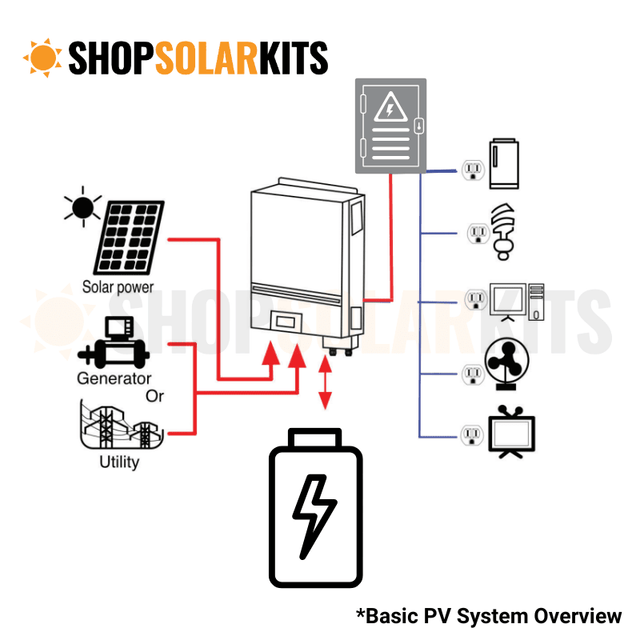
When connecting a generator to your solar setup, you need the right equipment to ensure compatibility and safety. – Inverter: Your solar system likely already has one, but ensure it’s compatible with generator inputs. – Transfer Switch: This device helps manage the power flow between your solar system and generator, preventing back-feeding which can be hazardous. – Battery Storage: While optional, having a battery can store excess energy generated, providing you with more control and efficiency. Having the necessary equipment is like having the right tools in a toolbox—without them, you might find yourself in a fix.Professional Installation Tips
Engaging a professional to install your generator can save you headaches and ensure everything runs smoothly. – Certification Matters: Choose a certified electrician familiar with solar systems and generators. Their expertise can prevent costly mistakes. – Site Assessment: A professional can evaluate your site for optimal generator placement, considering factors like noise and accessibility. – Safety First: Experts prioritize safety, ensuring all connections are secure and systems are grounded correctly to prevent electrical hazards. Imagine having peace of mind knowing that your setup is as safe and efficient as possible. Could you put a price on that assurance?
Credit: shopsolarkits.com
Potential Challenges
Connecting a generator to a solar system can pose challenges like compatibility issues. Ensuring proper integration is crucial to avoid technical problems. Additionally, safety protocols must be followed to prevent damage to equipment and ensure system efficiency.
Connecting a generator to a solar system might seem like a smart choice. Yet, it comes with potential challenges that you should consider. Understanding these challenges can help you make informed decisions and avoid pitfalls.Technical Issues
Integrating a generator with solar panels can be complex. Compatibility between the generator and inverter is crucial. If they don’t match, it might lead to power inefficiencies. This can affect the overall performance of your solar system. Wiring is another concern. Incorrect connections can cause damage or pose safety risks. Generators produce alternating current (AC) while solar panels produce direct current (DC). Converting between AC and DC requires specific equipment. Without it, your system may fail. Monitoring systems can also face issues. They may not recognize the generator, affecting energy management. Skilled professionals are often needed for installation. This adds to the complexity and cost.Regulatory Compliance
Local regulations can affect generator and solar system connections. Permission may be needed before installation. Some regions have strict rules on generator emissions. Your generator must comply to avoid penalties. Safety standards must be met. This includes installing safety switches and circuit breakers. Regulations may vary greatly by location. What works in one area may not be allowed in another. Consulting local authorities or experts is important. They can guide you through necessary permits and requirements. Failure to comply can result in fines or system shutdowns.Maintenance And Monitoring
Maintaining and monitoring your solar system when connected to a generator is essential for ensuring seamless operation and longevity. Regular check-ups and monitoring systems are crucial to prevent mishaps and optimize performance. These efforts can save you from unexpected outages and costly repairs, while enhancing efficiency. Let’s dive into the nuts and bolts of routine checks and monitoring systems.
Routine Checks
Routine checks are the backbone of a healthy solar-generator setup. They help spot potential issues before they escalate. Start by inspecting cables and connectors for wear and tear. Ensure they are securely fastened and free from damage. This simple step can prevent power interruptions.
Examine the generator’s fuel and oil levels regularly. Running out of fuel can abruptly halt power supply, causing inconvenience. Maintaining optimal oil levels ensures smooth operation and prevents engine damage. Make this part of your monthly checklist.
Clean your solar panels to maximize efficiency. Dust and debris can drastically reduce their ability to capture sunlight, leading to power loss. A quick wipe-down can make a difference, especially during dry seasons.
Monitoring Systems
Investing in a robust monitoring system can transform how you manage your solar-generator connection. These systems provide real-time data on energy production and consumption. You’ll know exactly how much power is being generated and used, allowing you to make informed decisions.
Consider smart apps that alert you to any discrepancies or failures. These can notify you immediately if your generator stops working or your solar panels are underperforming. Being proactive with these alerts can prevent larger issues down the line.
Do you have a centralized display panel? It’s worth setting up one that integrates your solar and generator data. This panel can offer a clear overview of your power system’s health, enabling quick adjustments. A centralized system saves time and prevents the headache of juggling multiple data sources.
Regular maintenance and monitoring aren’t just chores—they’re essential for peace of mind. What strategies will you adopt to keep your solar-generator system running smoothly?
Future Trends
The future of connecting generators to solar systems looks promising. As technology evolves, new solutions make integration easier and more efficient. People want reliable energy sources, so combining solar and generators is becoming popular.
Technological Advancements
New innovations improve the efficiency of solar systems and generators. Smart inverters now allow seamless integration. These devices manage power flow between solar panels, batteries, and generators. This ensures optimal performance and reduces energy waste. Battery technology is also advancing. Better storage solutions mean more reliable backup power. This is crucial during cloudy days or at night.
Hybrid systems are gaining attention. They combine solar, battery, and generator power into one system. This setup offers flexibility and reliability. Users can switch between energy sources based on availability and cost. Monitoring systems are becoming more user-friendly. Real-time data helps users track energy usage and savings.
Market Outlook
The demand for integrated solar and generator systems is growing. More homeowners and businesses seek energy independence. They want to reduce reliance on the grid and cut energy costs. The market for hybrid systems is expected to expand. Lower costs and better technology drive this trend. Governments are supporting clean energy solutions. Incentives and rebates make these systems more affordable.
Solar technology continues to become more accessible. Prices for solar panels and generators are decreasing. This makes it easier for people to adopt these systems. Installers and manufacturers are expanding their offerings. They provide tailored solutions for different energy needs. As more people adopt these systems, the market will continue to grow. This growth brings more innovation and better solutions for consumers.
Frequently Asked Questions
Can I Hook Up A Generator To My Solar Panels?
You cannot directly connect a generator to solar panels. Use an inverter for safe integration. Ensure compatibility between components for efficient power management. Consult a professional to avoid damage and ensure safety. Proper installation can allow solar and generator systems to work together seamlessly.
Can I Run A Generator And Solar At The Same Time?
Yes, you can run a generator and solar system together. Ensure proper synchronization to prevent electrical issues. Use transfer switches or hybrid inverters for seamless integration. This setup enhances energy reliability and efficiency, especially during power outages or high energy demands.
Consult a professional for safe installation.
How Many Solar Panels To Run A Generator?
The number of solar panels needed to run a generator depends on the generator’s wattage. Calculate the generator’s power requirement and divide by a solar panel’s wattage to determine the quantity. Typically, one solar panel generates around 250-400 watts, so adjust accordingly based on your generator’s specifications.
How Big Of A Solar Generator Do You Need To Power A House?
To power a house, a solar generator needs at least 5,000 to 7,000 watts. This capacity covers essential appliances and lighting. Calculate your energy needs accurately by checking your electricity bills. Consider battery storage for backup during cloudy days. Consult a professional for personalized recommendations.
Conclusion
Connecting a generator to your solar system can enhance power reliability. It allows for flexibility during cloudy days or high energy demand. Ensure compatibility between your generator and solar setup. Consult with a professional for a seamless connection. This step prevents potential system damage.
Balance is crucial; both systems must work in harmony. Consider costs and benefits before proceeding. Safety must always come first. Proper planning ensures efficient energy use and peace of mind. Embrace this solution for uninterrupted power, regardless of weather conditions.
Your energy independence becomes more achievable with the right approach.