
Imagine the freedom of harnessing the sun’s power with solar panels while still having a trusty gas generator on standby. You might be wondering if it’s possible to combine these two energy sources and what benefits they might bring to your home or business.
The good news is that you can have both, and it’s easier than you might think. Picture yourself enjoying the peace of mind that comes with knowing you’re prepared for anything. Whether the sun is shining or it’s a cloudy day, you’ll have the energy you need.
By reading further, you’ll discover how solar panels and gas generators can work together seamlessly, providing you with a reliable energy solution that suits your unique needs. Dive into this article to explore the possibilities and find out how you can maximize efficiency and save money. Your energy future starts now, and it’s brighter than ever!
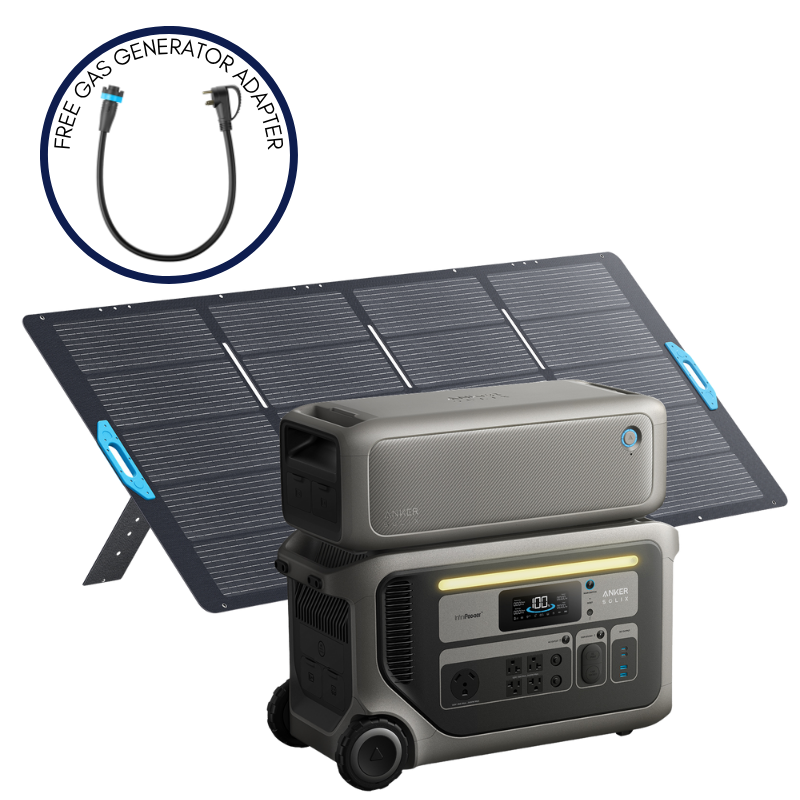
Credit: offgridsource.com
Benefits Of Combining Solar Panels And Gas Generators
Solar panels paired with gas generators offer reliable energy and cost savings. Enjoy consistent power even during cloudy days. Embrace eco-friendly solutions while ensuring your home stays powered during outages.
Combining solar panels with a gas generator can offer a unique blend of benefits for energy-conscious homeowners. This hybrid approach can provide reliable power while optimizing energy efficiency and sustainability. It’s like having the best of both worlds—where you not only save on electricity bills but also ensure you’re never left in the dark during a power outage.Enhanced Energy Security
When you combine solar panels with a gas generator, you significantly enhance your energy security. Solar panels harness energy from the sun, which is abundant and free. However, on cloudy days or during nighttime, a gas generator can step in to fill the energy gap. This combination ensures that your home remains powered regardless of weather conditions or grid failures. Imagine the peace of mind knowing your home is always backed up by two reliable energy sources.Cost Savings On Utility Bills
One of the most appealing benefits is the potential cost savings on your utility bills. Solar panels reduce your dependency on grid electricity, lowering your monthly expenses. Meanwhile, a gas generator can provide a cost-effective backup during peak usage times when energy rates are higher. Over time, the initial investment in solar panels and a gas generator can pay for itself through these savings. You might find yourself allocating that saved money towards something more meaningful, like a family vacation.Environmental Impact Reduction
By utilizing solar panels, you are already contributing to a reduction in your carbon footprint. Adding a gas generator ensures that your reliance on fossil fuels is minimized, as the generator is only used when necessary. This combination not only provides you with energy security but also supports a more sustainable lifestyle. Have you considered how your energy choices impact the planet? This hybrid system can be your step toward responsible energy consumption.Flexibility And Convenience
The flexibility of having both solar panels and a gas generator means you are prepared for any situation. Whether it’s a sunny day or a stormy night, you’re covered. This setup allows you to manage your energy usage more efficiently. Imagine the convenience of not having to worry about losing power when you’re working from home or hosting a gathering. This hybrid approach ensures your day-to-day activities remain uninterrupted.Increased Property Value
Investing in renewable energy sources like solar panels can increase your property’s value. Potential buyers are often attracted to homes with energy-efficient systems. Adding a gas generator further enhances this appeal by providing a reliable backup system. Think about it—would you prefer a home that guarantees power stability or one that leaves you in the dark during a storm? This dual energy system could be a key selling point if you decide to move in the future.How Solar Panels Work
Combining solar panels with a gas generator can provide reliable energy. Solar panels convert sunlight into electricity, while a gas generator offers backup power during cloudy days or night. This combination ensures a consistent power supply for your home.
How Do Solar Panels Generate Electricity?
Solar panels convert sunlight into electricity using photovoltaic (PV) cells. These cells are made from semiconductor materials, typically silicon. When sunlight hits the cells, it knocks electrons loose, creating an electric current.The Role Of Inverters In Solar Energy Systems
The electricity generated by solar panels is direct current (DC), which is not compatible with most home appliances. This is where inverters come into play. They convert DC into alternating current (AC), the type of electricity your home appliances use.Efficiency Of Solar Panels
Efficiency is a key factor to consider when evaluating solar panels. It refers to the percentage of sunlight that can be converted into usable electricity. Most residential solar panels have efficiencies between 15-20%. The higher the efficiency, the more electricity you can generate from a limited space.The Impact Of Weather And Location
Weather and location significantly affect solar panel performance. Panels are most efficient when they receive direct sunlight. Cloudy days reduce the amount of electricity generated, but don’t stop it entirely.Maintenance Of Solar Panels
Solar panels require minimal maintenance, which is another reason why they’re so appealing. Regular cleaning to remove dust and debris ensures optimal performance. Most systems come with a warranty, providing peace of mind for years to come. Are you considering solar panels for your home? Understanding their functionality is the first step in making an informed decision.How Gas Generators Function
Combining solar panels with a gas generator offers reliable energy. Gas generators provide power during cloudy days or at night. Solar panels harness sunlight, creating a sustainable and efficient energy solution.
Understanding how gas generators function can be crucial if you’re considering integrating one with your solar panels. Gas generators offer a reliable backup power source, especially during those cloudy days when solar panels might not produce enough energy. They can be an excellent addition to your energy setup, providing peace of mind when the sun isn’t shining as bright.Basic Working Principle
Gas generators convert chemical energy from fuel into mechanical energy, which is then converted into electrical energy. This process involves an internal combustion engine that ignites the gas, causing the generator to spin and produce electricity. It’s a straightforward mechanism, but the efficiency and reliability depend on the generator’s quality and maintenance.Components Of A Gas Generator
A typical gas generator includes several key components: an engine, alternator, fuel system, voltage regulator, cooling and exhaust systems, lubrication system, battery charger, and control panel. Each component plays a vital role in the generator’s operation. – Engine: Powers the generator by burning fuel. – Alternator: Converts mechanical energy into electricity. – Fuel System: Stores and supplies fuel to the engine. – Voltage Regulator: Ensures consistent voltage output.Fuel Types
Gas generators primarily use natural gas or propane. Natural gas is convenient if you already have a supply line, while propane is stored in tanks and can be more portable. Each has its benefits and considerations. Natural gas tends to be more cost-effective over time, while propane offers flexibility in storage.Benefits Of Using A Gas Generator
Gas generators provide immediate power when there is a shortfall. They are particularly useful during power outages, ensuring your home remains functional. You don’t have to worry about battery storage as much, which can be a concern with solar panels alone.Maintenance Requirements
Regular maintenance is crucial for the longevity and efficiency of a gas generator. This includes checking and refilling oil, changing filters, and ensuring the fuel system is functioning correctly. Scheduling periodic professional inspections can prevent unexpected breakdowns.Integration With Solar Panels
Combining gas generators with solar panels offers a hybrid solution to energy needs. Solar panels can handle most of your energy requirements during sunny days, while gas generators can kick in during cloudy periods or at night. This integration maximizes your energy independence and reliability. Have you ever thought about how seamlessly these two systems could work together to ensure a steady energy supply? Understanding their functionalities can help you make an informed decision, enhancing your home’s energy efficiency and resilience.Installation Considerations
Thinking about using both solar panels and a gas generator? It’s a smart way to ensure energy independence. Before you start, it’s crucial to consider how the installation process works. This section covers key aspects like space requirements and permits.
Space Requirements
Solar panels need ample space. Roofs are common places, but ground space works too. Measure your available area accurately. Consider shade from trees or buildings. Panels need direct sunlight. Gas generators require less space. They can fit in garages or sheds. Ensure proper ventilation for safety.
Permits And Regulations
Installing solar panels often requires permits. Check local building codes. Contact your municipality for guidelines. Some areas have specific solar regulations. Gas generators might need permits too. Noise regulations can affect placement. Understand emission standards in your area.
Cost Analysis
Exploring renewable energy options, combining solar panels with a gas generator can offer cost-effective solutions. Harnessing sunlight reduces electricity bills, while a gas generator provides backup power during cloudy days or nights.
Understanding the cost of having both solar panels and a gas generator is crucial. These two systems can complement each other. They provide reliable energy solutions for your home. This section explores the financial aspects of installing and maintaining these systems. It helps you make informed decisions.Initial Investment
Investing in solar panels requires upfront costs. You pay for the panels, inverter, and installation. These expenses can vary based on the panel type and system size. A typical residential solar setup can cost thousands of dollars. Conversely, a gas generator is generally cheaper initially. It requires spending on the generator unit and installation. This cost is lower than solar panel installation. Consider the size of the generator, as larger units may cost more.Long-term Savings
Solar panels offer significant savings over time. They reduce your electricity bills. They harness free energy from the sun. After the initial investment, maintenance costs are low. Many systems last over 20 years. A gas generator can be costly to operate. It requires fuel, which can be expensive. Maintenance and repairs add to the ongoing costs. Despite higher operational costs, it offers power during outages. The balance between these systems depends on your usage needs.Environmental Impact
Choosing to install solar panels alongside a gas generator can significantly affect the environment. It’s essential to understand how these decisions impact our planet. Are you considering the balance between renewable energy and traditional power sources? Let’s dive into the environmental implications of this combination.
Carbon Footprint
Solar panels are celebrated for their ability to reduce carbon emissions. By harnessing the sun’s energy, they help decrease reliance on fossil fuels. The solar energy system can dramatically cut down your carbon footprint, contributing to cleaner air and a healthier planet.
However, when a gas generator is used, it introduces carbon emissions. Even though it’s an efficient backup power source, it negates some of the carbon savings achieved by solar panels. Have you thought about how often you might need to use the generator? Minimizing its usage can optimize the environmental benefits of your solar setup.
Sustainability
Solar panels offer a sustainable solution, lasting over two decades with minimal maintenance. Their longevity ensures you are investing in a cleaner future. The production of solar panels has a relatively low environmental impact compared to other energy sources.
On the other hand, gas generators rely on non-renewable resources. Their usage implies continuous fuel consumption, which is far from sustainable. Is it possible for you to balance your power needs without over-relying on the generator? Doing so can maintain your commitment to sustainability.
Combining solar panels with a gas generator can be practical, but it requires careful consideration of the environmental impact. Are you ready to take steps towards a greener lifestyle while balancing reliability? Your choices today can pave the way for a sustainable tomorrow.
Efficiency And Reliability
Combining solar panels with a gas generator can be a strategic way to enhance your energy system’s efficiency and reliability. This dual setup offers you the best of both worlds by harnessing renewable energy while ensuring you have backup power when you need it. Imagine the peace of mind knowing your home remains powered even during extended cloudy periods or unexpected outages. Let’s delve into how this combination can be both efficient and reliable.
Energy Output
Solar panels are excellent for providing clean energy during sunny days, dramatically reducing your electricity bills. They silently soak up the sun’s rays, converting them into usable electricity without any emissions. However, their efficiency is highly dependent on weather conditions. A gas generator steps in when solar energy dips, ensuring a consistent energy output. This setup allows you to optimize energy use while minimizing dependence on the grid.
Backup Power
The unpredictability of weather means sometimes solar panels can’t generate enough power. This is where a gas generator becomes invaluable. It serves as a reliable backup, kicking in to provide power during cloudy days or at night. Think about the last time your power went out unexpectedly; having a gas generator means you won’t have to fumble in the dark or worry about food spoiling in the fridge. This combination offers peace of mind and security.
Choosing The Right System
Solar panels and gas generators can work together efficiently. Solar panels provide clean energy during the day. Gas generators offer backup power when the sun isn’t shining. This combination ensures energy reliability and sustainability for your home.
Choosing the Right System Are solar panels and a gas generator a good combo? The answer depends on several factors. Each energy source has its benefits and limitations. Knowing what you need helps you make the right choice. This section will guide you through the decision-making process.Assessing Energy Needs
First, estimate your energy consumption. Consider daily and seasonal variations. Calculate your average electricity usage in kilowatt-hours (kWh). Check past utility bills for an accurate measure. Think about future energy needs. Will you add appliances or gadgets? This step helps you decide on the size and type of your system.Evaluating Local Conditions
Next, examine your local environment. Is your area sunny or cloudy most of the time? Solar panels work best in sunny conditions. Consider the space available for installation. Roofs should face south for optimal sunlight. Look at local weather patterns and potential shading issues. Trees or buildings may cast shadows on your panels. Also, check local regulations for solar and generator use. Some areas have strict codes and permits. Understanding local conditions will guide your decision.Maintenance And Upkeep
Combining solar panels with a gas generator offers reliable energy. Regular maintenance ensures efficiency and longevity for both systems. Professional checks and timely repairs prevent unexpected issues.
Maintaining solar panels and a gas generator ensures their long-lasting performance. Proper upkeep minimizes issues and enhances efficiency. Regular attention to both systems can help avoid costly repairs. Let’s explore the key aspects of maintaining these energy solutions.Routine Checks
Routine checks are essential for both solar panels and gas generators. For solar panels, inspect for dirt or debris. Clean the panels periodically with water and a soft brush. Check for any shading or obstruction that might affect performance. Ensure all connections are secure. Gas generators need oil level checks. Change the oil according to the manufacturer’s instructions. Inspect the air filter and replace it if necessary. Check the fuel system for leaks. Start the generator occasionally to ensure it’s in working order.Troubleshooting
Troubleshooting helps identify issues early. For solar panels, watch for reduced energy output. This might indicate a problem. Inspect the inverter display for error messages. If issues persist, consult a professional. Gas generators may fail to start. Check the fuel level first. Ensure the battery is charged. Inspect the spark plug for wear. Clean or replace it as needed. If the generator still doesn’t start, seek expert advice. Regular maintenance and troubleshooting ensure your energy systems run smoothly. Keeping them in top condition can save money and stress.
Credit: www.youtube.com
Future Trends In Hybrid Energy Systems
As the energy landscape evolves, hybrid energy systems combining solar panels and gas generators are gaining traction. These systems offer the flexibility of renewable energy with the reliability of traditional power sources. But what future trends can we expect in hybrid energy systems?
Technological Advancements
Innovative technologies are making hybrid energy systems more efficient and user-friendly. Smart inverters, for example, seamlessly switch between solar and generator power, optimizing energy use. Enhanced battery storage solutions also play a crucial role, allowing you to store excess solar energy for later use.
As technology advances, new materials are being developed to improve solar panel efficiency and lifespan. Imagine panels that generate more energy even in low-light conditions. These advancements mean you can rely on your hybrid system more than ever, reducing dependence on the grid.
Market Growth
The demand for hybrid energy systems is on the rise. As more people look for sustainable and reliable power solutions, the market for solar panels and gas generators is expanding rapidly. This growth is driven by decreasing costs, making these systems more accessible to homeowners.
Government incentives and policies further fuel this trend by encouraging the adoption of renewable energy systems. With more companies entering the market, expect increased competition, leading to better prices and more innovative products.
Have you considered how a hybrid system could benefit your home? With these trends, now might be the perfect time to explore this energy solution.
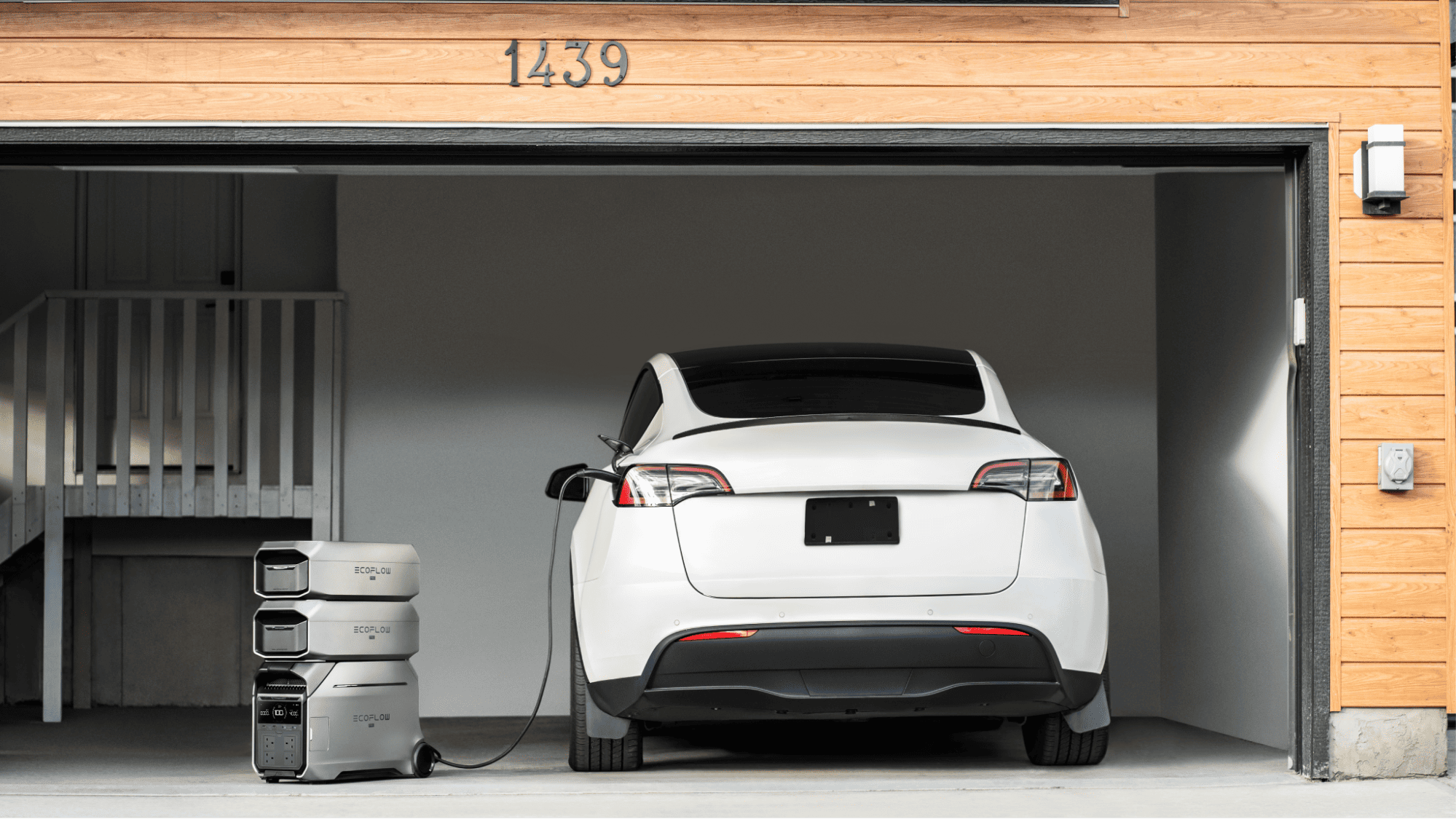
Credit: www.ecoflow.com
Frequently Asked Questions
Can You Run A Generator And Solar Panels Together?
Yes, you can run a generator and solar panels together. Use a transfer switch to manage power sources safely. This setup ensures continuous electricity during cloudy days or at night. Proper installation and synchronization are essential for optimal performance and safety.
Why Is My Electric Bill So High When I Have Solar Panels?
Your electric bill may be high due to increased energy usage, cloudy days, or inefficient solar panel performance. Check for system malfunctions or shading issues. Ensure your panels are clean and well-maintained. Review your energy consumption habits and consider upgrading your solar system for better efficiency.
Can You Have Solar And A Generac?
Yes, you can have both solar panels and a Generac generator. They work together to provide reliable energy. Solar panels generate power during the day, while the Generac generator offers backup power during outages or at night, ensuring continuous electricity supply for your home.
Can I Run A Refrigerator On Solar Power And Generator?
Yes, you can run a refrigerator on solar power and a generator. Solar panels convert sunlight into electricity, powering appliances. Generators provide backup during cloudy days or high energy demand. Proper system sizing ensures efficient operation. Consult a professional for optimal setup and reliable performance.
Conclusion
Combining solar panels and a gas generator offers flexibility and reliability. Solar panels harness the sun’s energy, cutting electricity costs. A gas generator serves as a backup, ensuring power during cloudy days. Together, they create a balanced energy solution, maximizing efficiency.
Consider your energy needs and environment before investing. Consult experts to ensure the best setup for your home. Explore options, compare costs, and think about long-term benefits. This dual approach can help maintain energy independence, keeping lights on and appliances running smoothly.
Make informed choices and enjoy a more sustainable future.