Have you ever wondered if you could install an automatic transfer switch (ATS) by yourself? You’re not alone.
Many homeowners and DIY enthusiasts are drawn to the idea of taking control of their home’s power management. After all, the convenience of an ATS is undeniable. Imagine your home seamlessly switching to backup power during an outage without you lifting a finger.
It’s tempting to think about the savings and satisfaction of doing it yourself, isn’t it? But before you grab your tools and dive in, there are a few crucial things you need to know. Understanding the ins and outs of ATS installation could save you time, money, and headaches. So, if you’re curious about whether this is a DIY project you can tackle, read on. We’ve got the insights you need to make an informed decision.
What Is An Automatic Transfer Switch
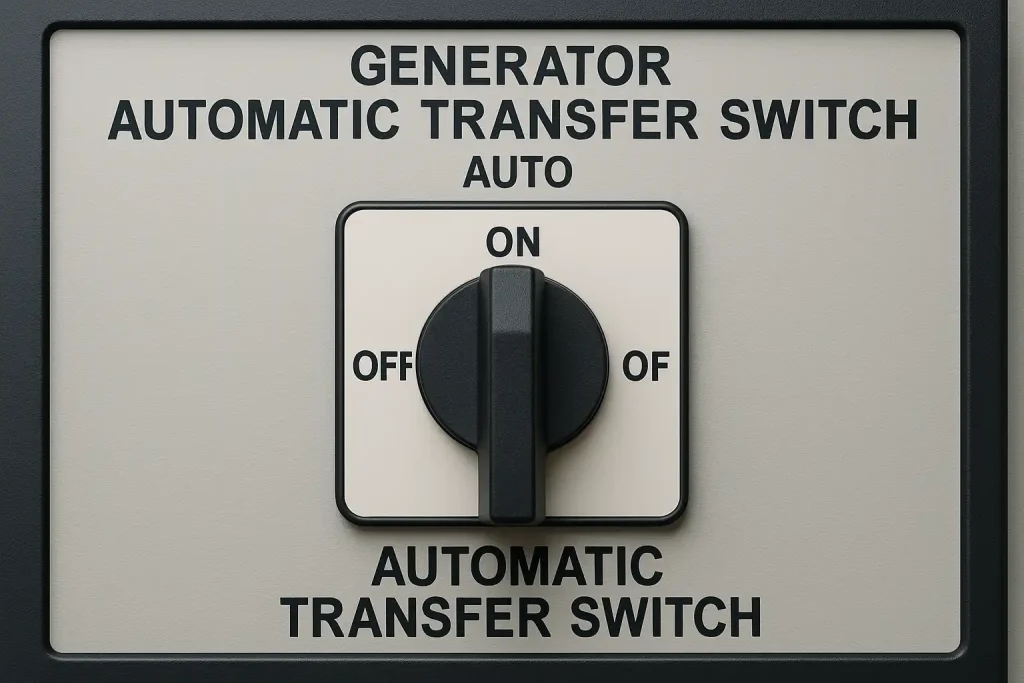
An Automatic Transfer Switch (ATS)is a device that switches power sources. It moves power from the main source to a backup generator automatically. This happens when the main power fails. The ATS keeps electricity flowing without manual help.
It is important for places that need constant power, like hospitals or stores. The switch senses when power is lost and starts the backup generator. Once the main power returns, it switches back.
- Monitors power supply continuously
- Automatically switches to backup power
- Switches back when main power returns
- Prevents power interruption
Benefits Of Installing An Ats
Automatic Transfer Switch (ATS)brings many benefits to homes and businesses. It switches powerfrom the main source to backup generators instantly. This means no power interruptionduring outages. Safety is improved by preventing backfeedto utility lines. It also protects electrical devicesfrom damage caused by sudden power loss.
An ATS saves timeand effort by making power transfer automatic. It ensures continuous powerfor important appliances like refrigerators, heaters, or medical devices. The switch works silentlywithout manual handling.
- Fast and safe power transfer
- Protects equipmentfrom damage
- Convenient and automaticswitching
- Improves safetyfor users and utility workers
- Ensures power for essential devices
Safety Precautions Before Installation
Working with electricity needs great care. Always turn off powerat the main breaker before starting. Use a voltage testerto ensure no current flows. Wear insulated glovesand protective eyewearto avoid injury. Keep tools and the work area dry to prevent shocks. Follow local electrical codesfor a safe setup. Avoid installing the switch during wet or stormy weather. Have a fire extinguisher nearby just in case. If unsure about any step, consult a licensed electrician. Safety first. No shortcuts.

Credit: www.jackery.com
Tools And Materials Needed
Installing an automatic transfer switch needs some specific tools and materials. Safety gearlike gloves and goggles protect you during work. Voltage testerchecks if power is off. A screwdriver sethelps open panels and secure wires. Wire strippers remove insulation from cables. A drilland drill bits make holes for mounting the switch. Wrenchestighten bolts and nuts. You will need copper or aluminum wiresfor connections. Electrical tape and wire nuts secure wire joints. A manual or installation guideis useful to follow proper steps. Having a multimeterhelps measure voltage and current during setup.
Gathering all these tools before starting makes the process smoother and safer.
Step-by-step Installation Guide
Installing an automatic transfer switch requires careful wiring and safety checks. Basic electrical skills help, but professional help is often safer and more reliable. Follow clear instructions to avoid mistakes and ensure proper function.
Preparing The Site
Clear the area around the main electrical panel. Make sure it is dry and free from dust. Turn off the main power supply to avoid shocks. Check the space for mounting the switch; it should be flat and strong. Gather all tools and safety gear before starting. Good lighting helps to see small wires clearly.
Wiring The Ats
Use the correct wire size for the switch and load. Connect the wires from the main panel to the ATS terminals. Tighten all screws firmly to avoid loose connections. Follow the wiring diagram provided with the ATS carefully. Label each wire to avoid confusion later.
Connecting To The Generator
Run wires from the generator to the ATS input terminals. Make sure the generator is off before connecting. Use waterproof connectors if the wires go outside. Secure wires neatly to prevent damage. Double-check connections against the generator manual.
Testing The System
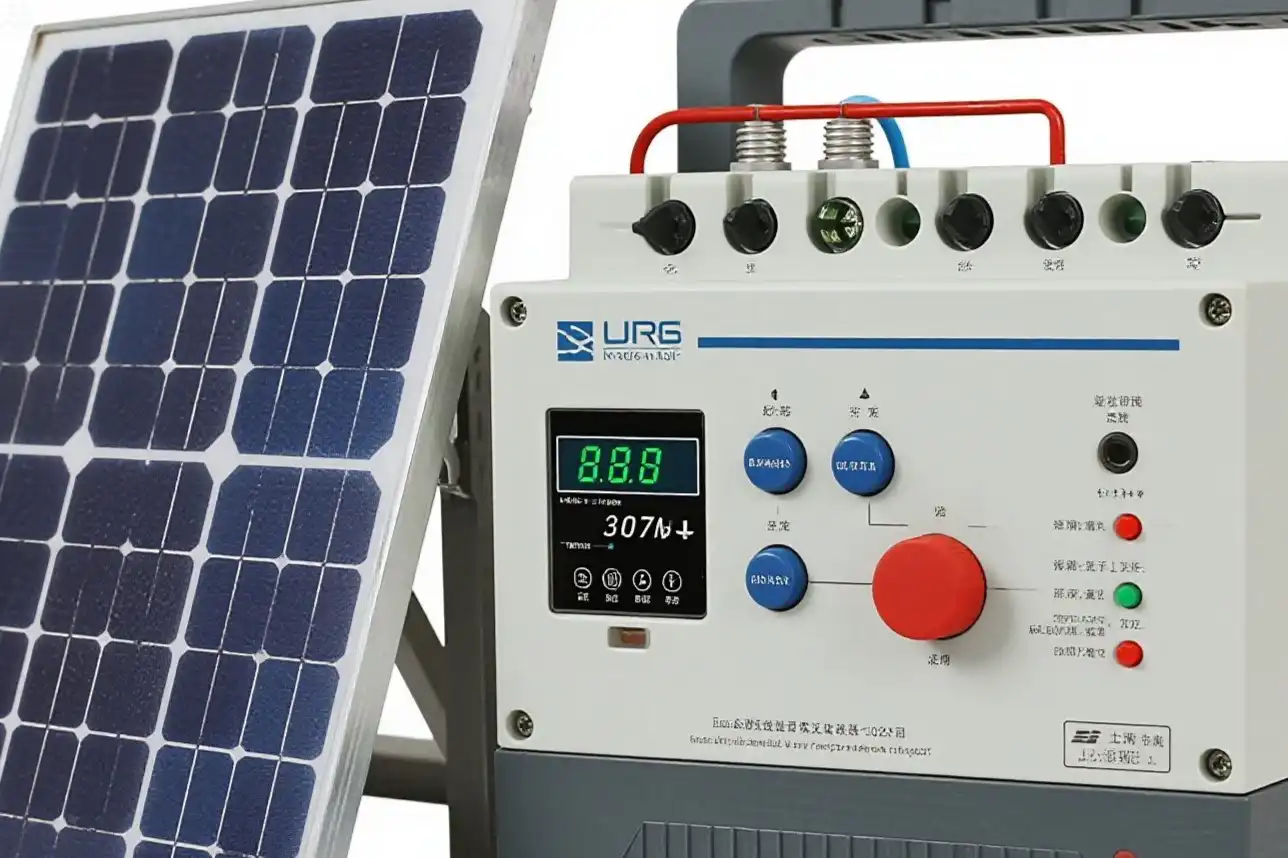
- Turn on the main power and check ATS lights.
- Start the generator and observe ATS switching.
- Make sure the load shifts smoothly to the generator.
- Turn off the generator and see if power returns to normal.
- Listen for unusual sounds or smells during testing.
Credit: www.onesto-ep.com
Common Installation Challenges
Installing an Automatic Transfer Switch (ATS)can be tricky. It needs correct wiringto avoid electrical hazards. Mistakes can cause power failuresor damage to equipment.
Finding the right locationfor the ATS is important. It must be near the power source and the generator. Space can be limited, making installation hard.
- Understanding the electrical loadhelps avoid overloads.
- Correctly connecting circuitsis essential for safety.
- Proper groundingprevents electrical shocks.
- Following local electrical codesis required by law.
Testing the ATS after installation is needed to ensure it works properly. Sometimes, professional help is best to avoid costly errors.
When To Call A Professional
Handling an automatic transfer switch (ATS) involves high voltageand complex wiring. This task demands expert knowledgeof electrical systems. Mistakes can cause serious injuryor damage to your property.
Call a professional if:
- You lack experience with electrical installations.
- The ATS involves connecting to your home’s main power line.
- Local laws require a licensed electrician to perform the work.
- You notice any signs of damaged wiringor components.
- The installation involves integrating with a generator or complex systems.
Safety is the top priority. Professionals have the right tools and training. They ensure the ATS works reliablyand meets local codes.
Maintenance Tips For Your Ats
Regularly check your Automatic Transfer Switch (ATS)for dust and debris. Keep the area around it clean and dry. Inspect connectionsto make sure they are tight and free from corrosion. Test the ATS by simulating a power outage to see if it switches correctly.
Listen for unusual noises and look for signs of wear. Replace worn parts immediately to avoid failure. Keep a log of all maintenance activities. Always turn off power before doing any work on the ATS. Use a multimeterto check voltage and current levels safely.
- Clean contacts and terminals regularly
- Check control panel lights and indicators
- Ensure batteries are charged and in good condition
- Verify the switch operates smoothly without delay
- Schedule professional inspections yearly for safety

Credit: www.ecoflow.com
Frequently Asked Questions
Can I Install An Automatic Transfer Switch Myself Safely?
Yes, you can install it if you have electrical experience. However, improper installation risks electrical hazards and voids warranties. Hiring a licensed electrician ensures safety and code compliance.
What Tools Are Needed To Install An Automatic Transfer Switch?
Basic tools include screwdrivers, wire strippers, voltage testers, and pliers. You may also need a drill, conduit bender, and safety gear. Proper tools ensure a smooth and safe installation process.
How Much Time Does Diy Transfer Switch Installation Take?
Installation typically takes 2 to 4 hours for an experienced person. Time varies based on system complexity and wiring needs. Rushing can cause mistakes, so allocate enough time for careful work.
Is A Permit Required To Install An Automatic Transfer Switch?
Most local codes require a permit for transfer switch installation. This ensures inspections and compliance with safety standards. Check with your local building department before starting the project.
Conclusion
Installing an automatic transfer switch yourself can save money and add convenience. Still, it needs careful planning and safety checks. Mistakes may cause electrical hazards or damage. Hiring a professional ensures the switch works properly and safely. Understand your skills and tools before starting.
Safety should always come first with electrical projects. Choose the best option for your home and peace of mind.