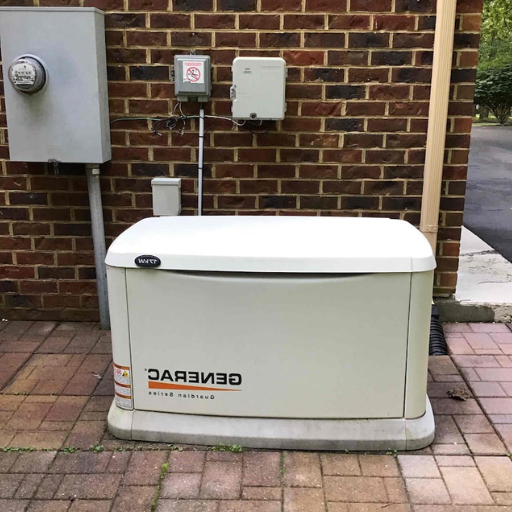
Are you considering the idea of installing your own standby generator? Perhaps you’re dreaming of a home that’s never left in the dark, even when the power goes out.
The thought of tackling this project on your own might seem both exciting and daunting. You might be wondering if it’s a task you can handle or if it’s better left to the professionals. Understanding your capabilities, the potential risks, and the benefits of doing it yourself are crucial.
We’ll explore whether installing your own standby generator is a feasible DIY project. Keep reading to discover the essential steps, the common pitfalls to avoid, and expert insights to help you make an informed decision. Your home’s power security could be just a few steps away.
Choosing The Right Generator
Standby generators come in different types. Some run on natural gas, others on propaneor diesel. Choose based on what fuel is easy to get and store.
Sizing a generator is very important. Too small won’t power your home. Too big wastes money. Add up the watts of devices you want to run during an outage. This helps find the right size.
| Fuel Type | Pros | Cons |
|---|---|---|
| Natural Gas | Continuous supply, clean burning | Needs gas line, may not work if gas shuts off |
| Propane | Stores well, portable | Needs tank refilling, can be costly |
| Diesel | Powerful, good for large loads | Loud, needs fuel storage, emits fumes |
Tools And Materials Needed
Essential toolsinclude a wrench set, screwdrivers, pliers, and a drill. A voltage tester and wire strippers are also important for safe electrical work. Having a tape measure and level helps ensure proper placement.
Safety gearis crucial. Use insulated gloves and safety goggles to protect yourself. Ear protection is useful when the generator runs loud. Wear sturdy shoes and a hard hat for extra safety.
Additional suppliesmay consist of grounding rods, electrical conduit, and wire connectors. Fuel lines and a fuel stabilizer keep the generator running smoothly. Make sure to have weatherproof covers to protect the unit.
Preparing The Installation Site
Selecting the right locationis key for your standby generator. Choose a spot that is dry, well-ventilated, and close to your home. Avoid places near windows or doors to keep fumes away from living areas.
Site clearancemeans removing all debris, plants, and objectsthat could block or damage the generator. The area should be flat and free from anything that might cause problems during installation or operation.
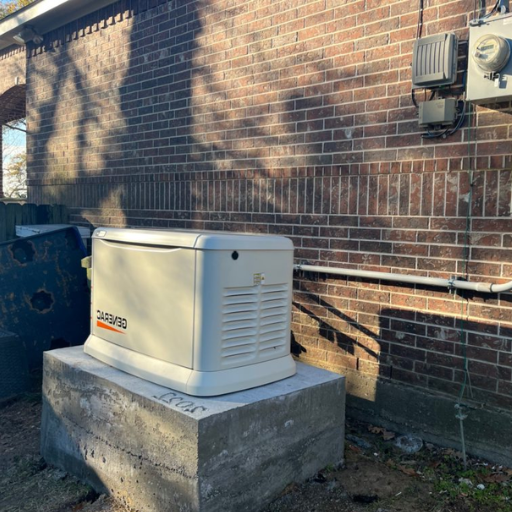
Foundation setupinvolves making a solid base. Use concrete or a strong platform to keep the generator stable. This helps stop vibrations and protects the unit from water or dirt.

Credit: www.angi.com
Electrical Considerations
Understanding your electrical panel is crucialfor installing a standby generator. Check the panel’s capacity and make sure it can handle the generator’s power output. A panel with enough spacefor new circuits is best.
Transfer switch installation is key to safely connect the generator to your home wiring. It isolates the generator power from the utility lines. This prevents backfeed, which can be dangerous for utility workers and your equipment.
Basic wiring knowledge helps to connect the generator correctly. Use properly rated wiresand follow local electrical codes. Secure all connections tightly and avoid any loose wiring for safety.
| Task | Important Points |
|---|---|
| Electrical Panel | Check capacity, space for circuits |
| Transfer Switch | Prevents backfeed, isolates power |
| Wiring | Use rated wires, follow codes, secure connections |
Step-by-step Installation Process
Open the box carefully and check all parts inside. Look for any damage or missing pieces. Read the manual to understand the parts and tools needed.
Choose a flat and dry place outside. Keep the generator close to your home’s power source. Make sure it is away from windows and vents for safety.
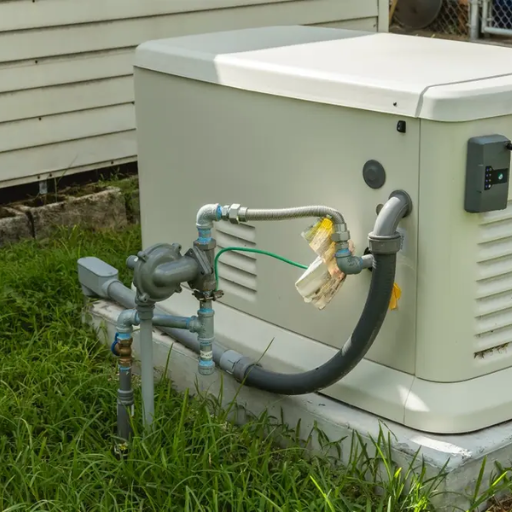
Attach the fuel line to the generator securely. Use the right type of fuel as stated in the manual. Check all connections to avoid leaks.
Connect the generator to your home’s electrical system. Turn off the main power before starting. Use proper wires and follow safety rules.
Start the generator and listen for any strange sounds. Check if the power flows to your house properly. Test the system a few times to be sure it works well.
Credit: shgeneratorset.com
Safety Precautions
Standby generators can be dangerous if not handled carefully. Avoid common hazardslike fuel leaks and electric shocks. Always keep the area dry and clear of clutter. Use gloves and eye protection when working with the generator.
Check local codes and permitsbefore installation. Many places require permits for electrical work. Follow rules to avoid fines and safety issues. Contact your local office to learn what is needed.
Certain tasks need professional help. Call a pro for complex wiring or gas connections. Mistakes can cause fires or injuries. Experts ensure the job is safe and meets all standards.
Maintenance Tips
Regular inspections keep your standby generator running well. Check for leaks, loose parts, and dirt build-up. Look for signs of wear on belts and hoses. Test the battery and clean terminals. Run the generator occasionally to ensure it starts easily.
Fuel storage matters a lot. Store fuel in a cool, dry place away from direct sunlight. Use proper containers made for fuel. Avoid storing fuel for more than six months. Old fuel can cause engine problems.
Seasonal maintenance helps the generator work in all weather. Change the oil and oil filter every year or after 100 hours of use. Check the air filter and replace if dirty. Inspect spark plugs and replace if needed. Clean the generator’s exterior to prevent rust and dirt build-up.
Credit: shgeneratorset.com
Frequently Asked Questions
Can I Legally Install My Own Standby Generator?
Yes, you can install your own standby generator if you follow local building codes and electrical regulations. Permits are often required. Always check with local authorities before installation to ensure compliance and safety.
What Tools Are Needed To Install A Standby Generator?
Basic tools include a drill, wrench set, voltage tester, and conduit bender. You’ll also need safety gear like gloves and goggles. Proper tools ensure a smooth and safe installation process.
How Difficult Is Installing A Standby Generator Myself?
Installation complexity varies by generator size and home wiring. It requires electrical knowledge and experience. If unsure, hiring a licensed electrician is safer and ensures correct setup.
What Are The Risks Of Diy Standby Generator Installation?
Improper installation risks electrical shocks, fire hazards, and generator damage. It can also void warranties. Professional installation minimizes these risks and ensures reliable operation.
Conclusion
Installing your own standby generator can save money but needs care. You must follow safety rules and local laws. Mistakes can cause damage or danger. Many people choose professional help for peace of mind. Still, learning about the process helps you decide.
A standby generator keeps power on during outages. Think about your skills and tools before starting. Safety first. Take your time. Stay informed.