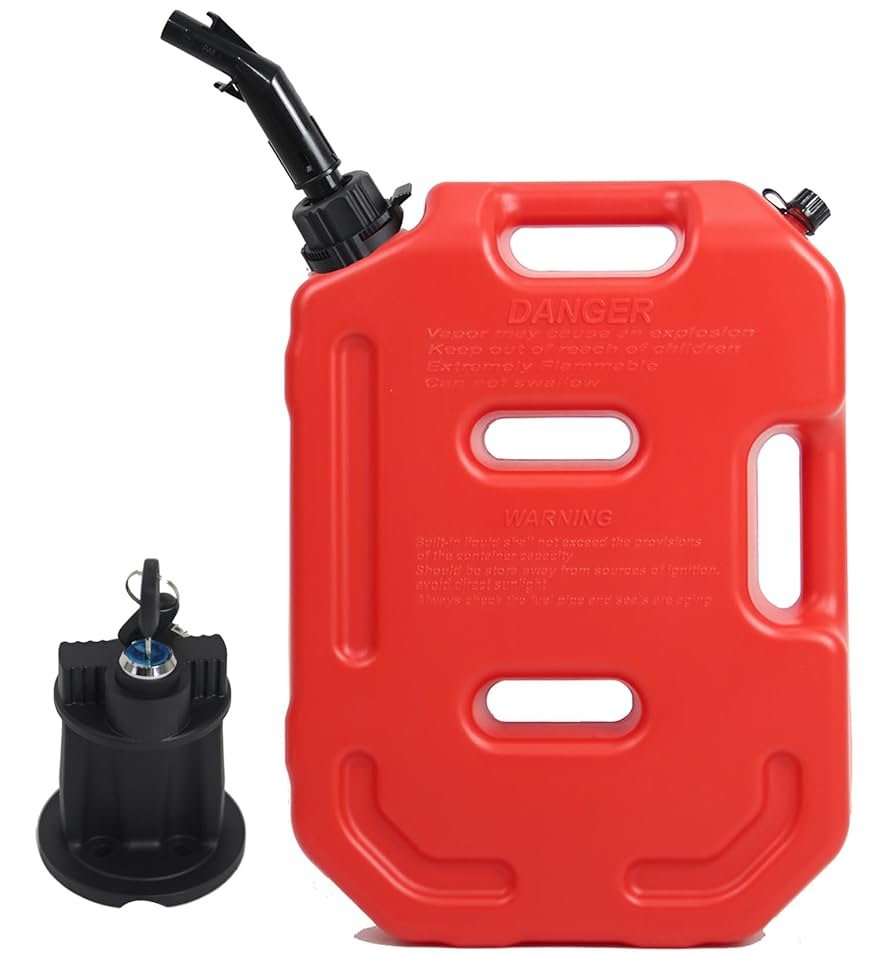
Have you ever wondered if it’s safe to leave a fuel can outside? You’re not alone.
Many people find themselves questioning the safety and practicality of storing fuel outdoors. Whether you’re prepping for a camping trip, managing your lawn care equipment, or simply looking for extra storage space, understanding the dos and don’ts of fuel storage is crucial.
We’ll explore the potential risks and best practices, ensuring that you can make informed decisions. Keep reading to discover how to protect your investment, your property, and most importantly, your safety.
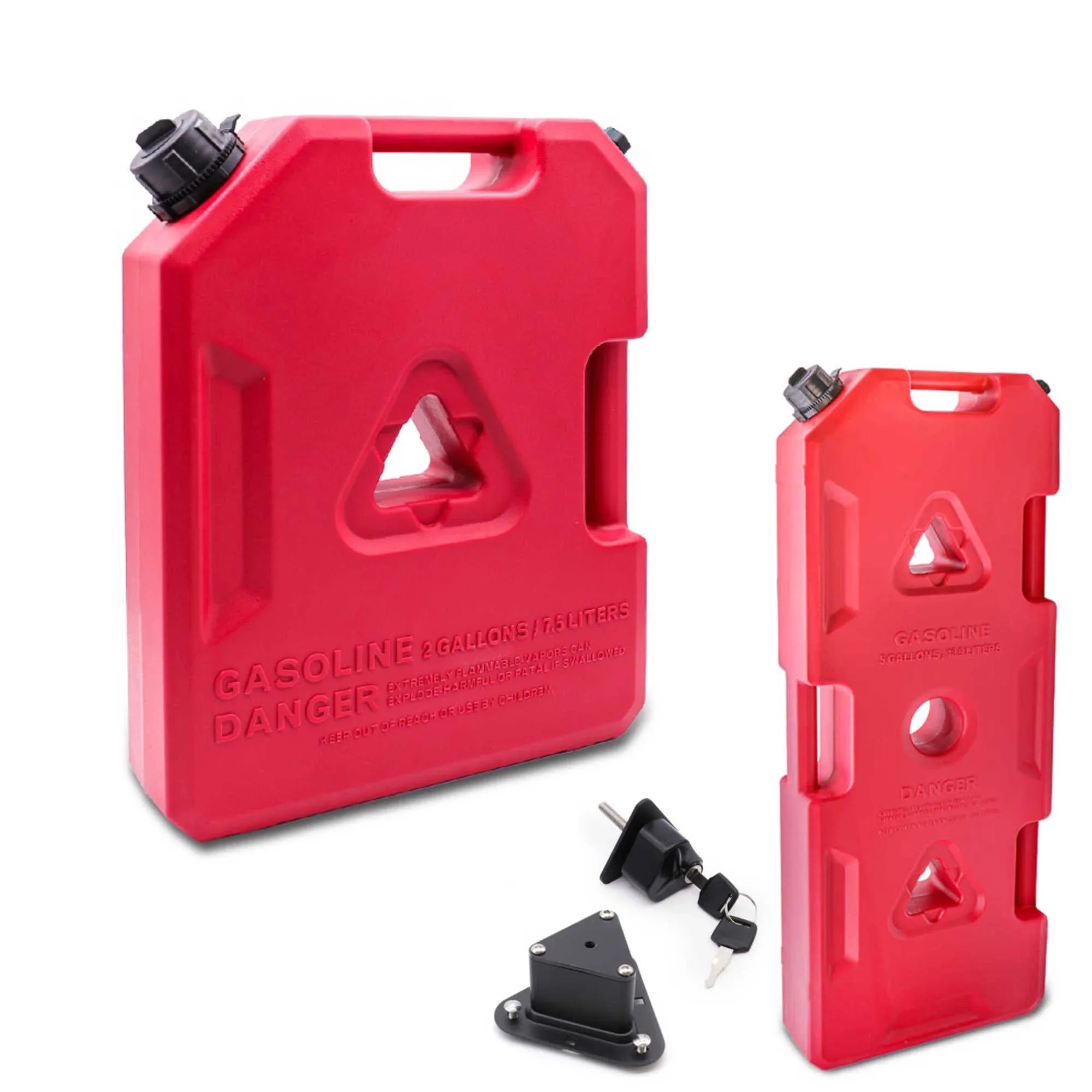
Credit: www.syneticusa.com
Risks Of Leaving Fuel Cans Outside
Fire hazardsincrease when fuel cans stay outside. Sunlight heats the can, raising pressure inside. This can cause leaks or explosions. Sparks or open flames near the can may start a fire quickly.
Environmental impacthappens if fuel spills or leaks. Fuel can soak into the ground, harming plants and animals. Rain can carry fuel to streams or rivers, polluting water. This harms fish and wildlife.
Health concernsarise from fumes and spills. Breathing fuel vapors can make people dizzy or sick. Skin contact with fuel can cause irritation or burns. Children and pets are at higher risk near fuel cans.

Credit: www.amazon.ca
Ideal Locations For Fuel Storage
Fuel cansshould be stored in cool and ventilated areas. Heat can cause fuel to expand and become dangerous. A shaded spot with fresh air helps keep fuel stable and reduces fumes buildup.
Keep fuel away from any ignition sourceslike flames, sparks, or electrical devices. Even a small spark can cause a fire or explosion. Distance is key to safety.
Use secure and locked spacesto prevent children or pets from accessing fuel. Locked containers or cabinets add an extra layer of safety. This also protects fuel from theft or tampering.
Fuel Container Safety Features
Proper sealing and capsstop fuel leaks and spills. A tight seal keeps dangerous fumes inside. Caps that lock are best for safety. Fuel cans with easy-to-use caps help avoid accidents.
Material and durabilitymatter for fuel containers. Strong plastic or metal cans last longer and resist damage. Durable cans protect fuel from sunlight and heat. This keeps fuel stable and safe.
| Feature | Importance |
|---|---|
| Labeling and Identification | Clear labels show fuel type. Helps avoid mixing fuels. Labels warn about hazards. |
| Proper Sealing and Caps | Prevents leaks and fumes. Keeps fuel fresh and safe. |
| Material and Durability | Strong cans last longer. Protects fuel from damage and heat. |
Weather Considerations
Sunlight and heatcan make fuel cans unsafe. Heat may cause pressure to build inside. This can lead to leaks or even explosions. Always keep fuel cans in a cool, shaded placeto avoid these risks.
Rain and moisturecan cause rust on metal fuel cans. Water can also mix with fuel, making it less effective. Store fuel cans under a covered areaor use waterproof containers to keep them dry.
- Store fuel cans in a garage or shed during cold weather.
- Keep the can tightly sealed to stop moisture from entering.
- Check the fuel regularly for signs of water or dirt.
- Use fuel stabilizers to keep fuel fresh in cold months.
Legal Regulations And Guidelines
Local storage lawsvary by region and often restrict how fuel cans are kept. Many areas require fuel containers to be stored in well-ventilated, cool, and secure placesaway from homes and public spaces. Some laws limit the amount of fuel stored outside to reduce risks.
The fire departmentusually recommends storing fuel cans away from open flames and heat sources. Keeping fuel in approved containerswith tight lids helps prevent leaks and spills. It’s best to place cans on a flat surface to avoid tipping over.
| Rule | Details |
|---|---|
| Transport | Fuel cans must be upright and secured during transport. |
| Handling | Use protective gloves and avoid inhaling fumes. |
| Storage | Store in cool, shaded areas away from children and pets. |
Credit: www.greentractortalk.com
Emergency Preparedness
Spill response plans help control fuel leaks quickly. Keep absorbent materials nearby. Use sand or kitty litter to stop spills. Always wear gloves to protect your hands. Call emergency services if the spill is large. Keep the area well ventilated to avoid fumes. Have a clear plan for safe cleanup and disposal.
| Fire Extinguisher Type | Use For |
|---|---|
| Class A | Wood, paper, cloth fires |
| Class B | Flammable liquids like fuel |
| Class C | Electrical fires |
| Class ABC | All types of fires |
First aid measures include moving the injured away from danger. Use clean cloth to stop bleeding. Cool burns with water for 10 minutes. Do not apply creams or ice on burns. Call for medical help if injury is serious. Keep calm and reassure the injured person.
Frequently Asked Questions
Can I Leave A Fuel Can Outside Safely?
Yes, you can leave a fuel can outside if it is sealed tightly. Store it in a cool, shaded, and well-ventilated area to prevent heat exposure and reduce fire risks.
How Does Weather Affect Outdoor Fuel Cans?
Extreme heat can cause fuel expansion and pressure build-up, risking leaks or explosions. Rain and moisture can corrode metal cans and contaminate the fuel.
Is It Legal To Store Fuel Cans Outdoors?
Laws vary by location. Many places require fuel cans to be stored away from living areas and in approved containers. Check local regulations for compliance.
What Type Of Container Is Best For Outdoor Fuel Storage?
Use approved, sturdy containers made of metal or high-density plastic. These containers prevent leaks, resist corrosion, and are designed to handle fuel safely outdoors.
Conclusion
Storing a fuel can outside needs care and caution. Keep it away from heat and direct sunlight. Make sure the container is tightly closed. Place it on a flat, stable surface. Avoid storing near flames or sparks. Check the can regularly for leaks or damage.
Safe storage helps prevent accidents and spills. Remember, proper handling keeps you and others safe. Take small steps to protect your home and environment. Safety always comes first when storing fuel cans outdoors.