
Are you considering mixing different fuel types in your generator to save money or improve efficiency? Before you make a decision, you need to know the potential impacts and risks involved.
Your generator is an investment, and the fuel you choose can affect its performance and lifespan. Mixing fuel types might seem like a simple solution, but is it really safe for your equipment? You’ll discover the essential facts and expert insights on fuel mixing, helping you make an informed choice that safeguards your generator and ensures it runs smoothly.
Don’t gamble with your generator’s health; read on to learn everything you need to know!
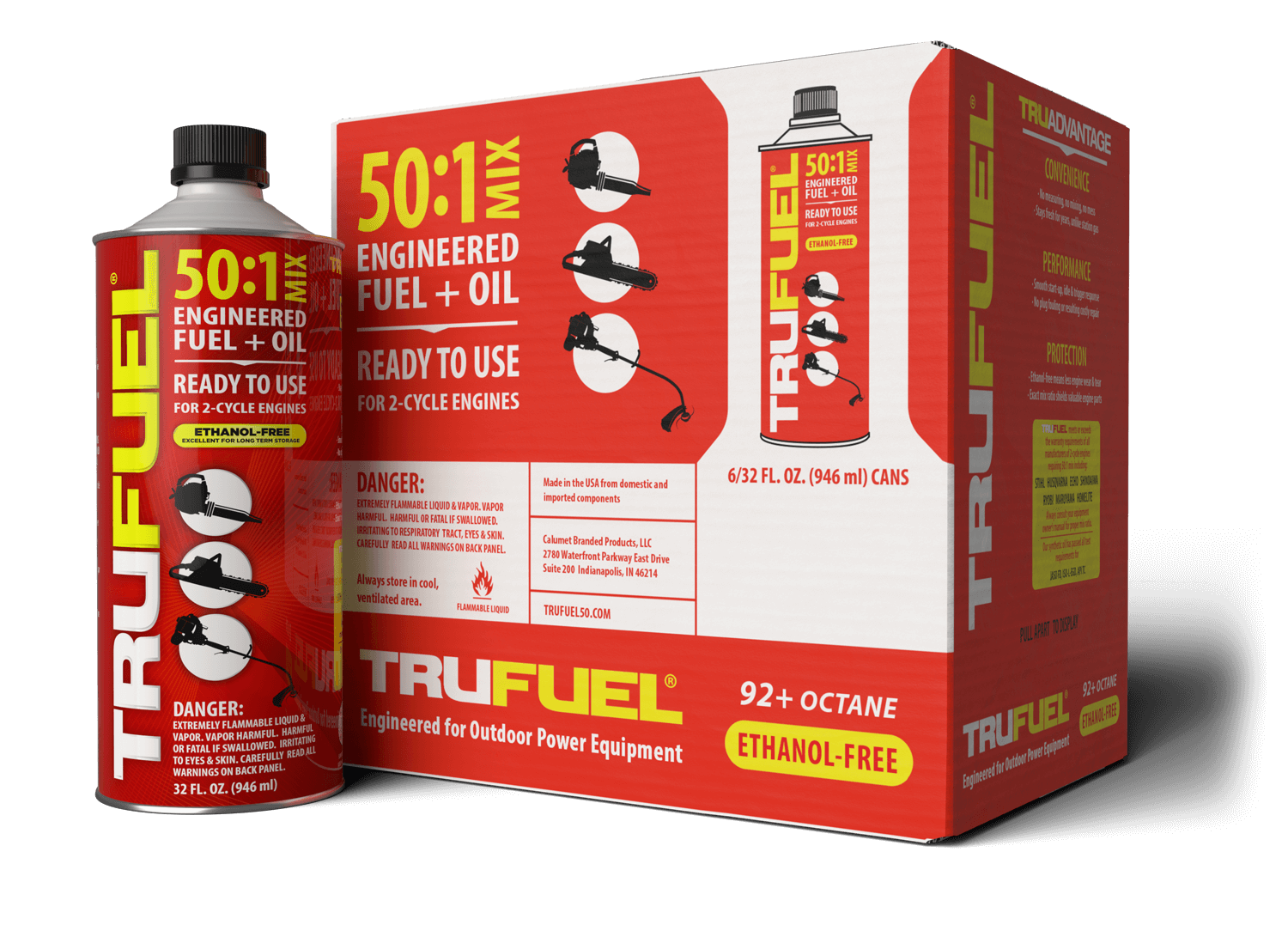
Credit: trufuel50.com
Types Of Generator Fuels
Gasolineis the most common fuel for portable generators. It is easy to find and has a high energy content. Gasoline engines start quickly but need fresh fuel to run well.
Dieselgenerators are strong and last longer. Diesel fuel is safer to store than gasoline. These generators are good for heavy use and can run longer hours.
Propaneis a clean-burning fuel that stores well for a long time. Propane generators produce fewer emissions. They are quieter and can work in cold weather better than gasoline.
Natural Gasis supplied through pipelines in many homes. It burns clean and is cost-effective. Natural gas generators run quietly and need less maintenance.
Common Fuel Mixing Scenarios
Gasoline and Dieselshould never be mixed in generators. Gasoline engines and diesel engines work very differently. Mixing them can cause engine damageand failures. Diesel is heavier and burns slower than gasoline. Putting gasoline in a diesel engine or vice versa can block fuel linesand damage injectors.
Gasoline and Propaneare sometimes used in dual-fuel generators. These generators are built to run on either fuel or both at once. But mixing gasoline and propane in a single tank is not safe. Use propane in its own tank and gasoline in its own tank. Follow your generator’s instructions carefully for dual-fuel use.
Diesel and Natural Gascan power some dual-fuel generators. These models switch between fuels or use both to save fuel and reduce emissions. Like with gasoline and propane, never mix diesel and natural gas in the same tank. Use the correct tanks and settings to avoid damageand malfunction.
Risks Of Mixing Fuels
Mixing fuelscan cause engine damage. Different fuels burn differently. This can lead to poor combustion. The engine parts may wear out faster. It might cause clogsor corrosioninside the fuel system.
Reduced efficiencyoften follows fuel mixing. The generator may use more fuel. It can produce less power than usual. This wastes money and energy. The engine may also run rough or stall.
- Safety hazardsincrease with mixed fuels.
- Fuel mixtures can create fire risks.
- Some fuels can react and cause explosions.
- Leaks and spills might happen more often.
- Proper storage becomes harder with mixed fuels.

Credit: westinghouse.com
Manufacturer Fuel Guidelines
Manufacturers usually list recommended fuel typesin the user manual. Common fuels include gasoline, diesel,or propane. Using the correct fuel ensures the generator runs smoothlyand efficiently. It also helps to avoid damageand lengthen lifespan.
Mixing different fuels is generally not advised. Mixing can cause clogs, poor performance,or even engine failure. Some fuels may not mix well chemically, causing harmful depositsinside the engine.
- Always follow the manufacturer’s fuel guidelines.
- Use only the recommended fuel type.
- Do not mixgasoline with diesel or propane.
- Check for fuel compatibilitybefore use.
Safe Practices For Fuel Use
Proper storageof fuel keeps it fresh and safe to use. Always store fuel in a cool, dry placeaway from heat or flames. Use containers made for fuel and label them clearly. Avoid storing fuel for too long as it can go bad and harm your generator.
Fuel system maintenancehelps keep your generator running smoothly. Clean or replace filters regularly. Check fuel lines for cracks or leaks. Removing old fuel before adding new fuel prevents clogs. Regular checks reduce the risk of damage and improve performance.
- Use only recommended adapters or convertersfor your generator.
- Adapters help connect different fuel types safely.
- Never force incompatible fuel into the tank.
- Check the manual before mixing or switching fuels.

Credit: www.reddit.com
Emergency Fuel Mixing Considerations
Mixing fuel types in a generator should be avoided but may be necessary in emergencies. Different fuels have distinct chemical properties. Mixing can cause clogs, poor performance,or engine damage.
To reduce harm, always drain old fuelbefore adding new fuel. Run the generator until it stops to empty the tank. Use fresh, clean fuelfrom the same type afterward.
- Mix only small amounts when necessary.
- Check the generator manual for fuel guidelines.
- Keep fuel containers clean and sealed.
- Test the generator carefully after mixing.
- Clean or replace the fuel filter regularly.
Alternatives To Mixing Fuels
Dual-fuel generatorsrun on two types of fuel, usually gasoline and propane. This makes them flexibleand easy to use in many situations. You can switch fuels without damaging the generator. These generators also help save money by using the cheaper fuel available.
Fuel conversion kitslet you change a single-fuel generator to run on another fuel type. For example, a gasoline generator can be converted to run on propane or natural gas. This option is good if you want to use different fuels but don’t want to buy a new generator. Be sure to follow instructions carefully for safe use.
Frequently Asked Questions
Can I Mix Gasoline And Diesel In A Generator?
No, you should never mix gasoline and diesel in a generator. These fuels have different combustion properties and engines designed for one type can be damaged by the other. Mixing them risks engine failure and voids warranties. Always use the recommended fuel type for your generator.
What Happens If I Mix Different Fuel Brands?
Mixing fuel brands usually does not harm your generator, as long as the fuel type is the same. However, quality differences can affect engine performance. Always use fresh, high-quality fuel and avoid mixing old fuel with new to maintain generator efficiency and longevity.
Can I Mix Ethanol And Non-ethanol Fuel In My Generator?
Mixing ethanol and non-ethanol fuels is not recommended. Ethanol absorbs moisture and can cause corrosion in engines not designed for it. Use the fuel type specified by your generator’s manufacturer to avoid damage and ensure optimal performance.
Is It Safe To Mix Propane And Gasoline In A Generator?
No, mixing propane and gasoline in a generator is unsafe and can cause engine damage. Generators are designed for specific fuel types. Use only the recommended fuel type to maintain safety and engine health. Never attempt to combine or switch fuels without proper conversion.
Conclusion
Mixing fuel types in your generator can cause problems. It may damage the engine or reduce performance. Always use the recommended fuel type for best results. Clean fuel helps your generator run smoothly and last longer. When unsure, check the user manual or ask an expert.
Taking care of your generator keeps it ready when you need power. Simple steps prevent costly repairs and downtime. Stay safe and protect your equipment by using the right fuel every time.