Ever found yourself in a situation where you have a bit of old fuel left in your can and you’re wondering if it’s okay to mix it with fresh fuel? You’re not alone.
Many people face this dilemma and are unsure of the consequences. Could it save you a trip to the gas station, or might it harm your equipment? Understanding the impact of mixing old and new fuel can save you time, money, and potential headaches.
You’ll discover the dos and don’ts of fuel mixing, helping you make informed decisions that keep your tools running smoothly. Stick around to find out how this simple choice can affect your equipment’s performance and longevity.

Credit: www.kbb.com
Fuel Aging Basics
Fuel deterioratesdue to chemical changes over time. Oxygen, heat, and light cause it to break down. This leads to loss of energyand changes in smell and color. Fuel may become thicker or form lumps.
Signs of old fuel include:
- Dark or cloudy appearance
- Strong or sour smell
- Difficulty starting engines
- Engine sputtering or stalling
Fuel degradation effects:
| Effect | Description |
|---|---|
| Reduced Performance | Engine runs poorly or loses power |
| Clogged Fuel System | Particles block fuel filters and lines |
| Corrosion | Acidic by-products damage fuel tanks |
Mixing Old And New Fuel
Mixing old and new fuel can cause problems for engines. Old fuel may have lost some of its qualityover time. This can lead to poor engine performanceor even damage. Fuel can break down and form gums or varnishes that clog fuel systems.
Some risks of mixing fuels include:
- Reduced engine powerand efficiency
- Hard startsor stalling
- Clogged fuel filtersand injectors
- Increased emissionsand pollution
Mixing might be okay if old fuel is less than 30 days old and stored properly. Use a fuel stabilizer to keep fuel fresh longer. Always check fuel for cloudiness or bad smell before mixing. If unsure, it is safer to dispose of old fuel properly.
Safety Precautions
Store fuel cans in a cool, dry placeaway from direct sunlight. Use approved containersdesigned for fuel storage. Always keep the lids tightly closedto prevent spills and evaporation. Label cans with the date and type of fuel.
- Use a funnel to pour fuel carefully.
- Avoid overfilling cans to prevent leaks.
- Keep fuel away from sparks, flames, or heat sources.
- Wear gloves to protect your skin from fuel.
| Hazard | Precaution |
|---|---|
| Fire | Keep fuel away from open flames and sparks. |
| Explosion | Use fuel in well-ventilated areas only. |
| Spills | Clean spills immediately to avoid fire risk. |

Credit: trueprepper.com
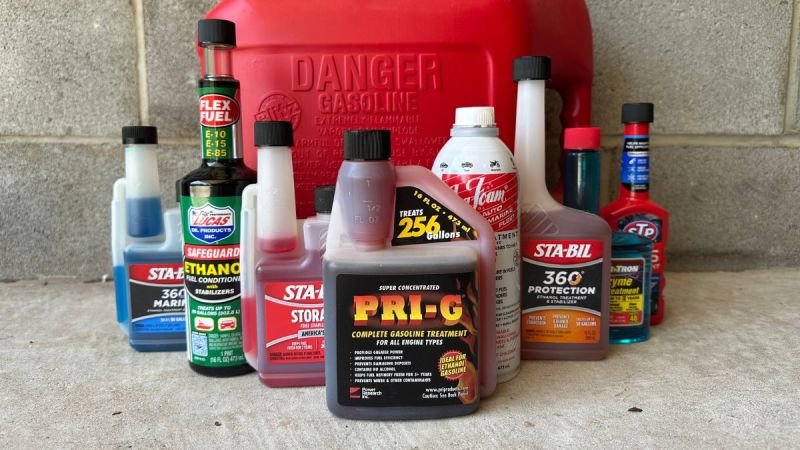
Fuel Stabilizers And Additives
Fuel stabilizerskeep fuel fresh and stop it from breaking down. They help protect engines during storage or long periods without use. Old fuel can go bad and cause problems. Mixing old and new fuel may reduce engine performance if the old fuel has started to degrade.
Additivesimprove fuel quality by cleaning engine parts and preventing rust. Choose additives based on your engine type and fuel. Look for products that match your needs and follow the label instructions carefully.
Use additives safely by adding the right amount. Too much can harm the engine. Add them to fresh fuel and mix well. Store fuel in clean, sealed containers to avoid contamination.
Maintaining Fuel Quality
Fuel rotationhelps keep fuel fresh and ready. Use older fuel first to avoid waste. Store fuel in a cool, dry place away from sunlight. Keep containers sealed tightly to stop air and moisture.
Check fuel containers often. Look for cracks, rust, or leaks. Clean containers before refilling. Dirt and water can spoil fuel quickly.
Dispose of old or bad fuel safely. Take it to a recycling center or hazardous waste site. Never pour fuel on the ground or in drains. This protects the environment and your health.

Credit: trueprepper.com
Frequently Asked Questions
Can I Mix Old And New Fuel In A Gas Can?
Yes, you can mix old and new fuel in a gas can. However, ensure the old fuel is not stale or contaminated. Mixing fresh fuel with slightly aged fuel usually prevents engine issues and maintains fuel quality for short-term storage.
Does Mixing Old Fuel Affect Engine Performance?
Mixing old fuel with new fuel can affect engine performance if the old fuel is degraded. Fresh fuel dilutes the old fuel, improving combustion. But if the old fuel is too old or contaminated, it may cause engine knocking or starting problems.
How Long Can Mixed Fuel Stay Usable In A Can?
Mixed fuel can stay usable for up to 30 days if stored properly. Keep the gas can sealed and stored in a cool, dry place. After 30 days, fuel quality may degrade, risking engine damage or poor performance.
Is It Safe To Store Mixed Fuel In A Gas Can?
Yes, storing mixed fuel in a gas can is safe if the container is clean and airtight. Use approved fuel containers and keep them away from heat sources. Proper storage prevents fuel evaporation and contamination.
Conclusion
Mixing old and new fuel in a can can cause problems. Old fuel may lose its quality and affect engine performance. New fuel helps keep engines running smoothly. It is best to use fresh fuel whenever possible. Storing fuel properly can extend its life.
Always check fuel before use to avoid issues. Keeping fuel clean and fresh protects your equipment. Remember, good fuel means better engine health and longer life. Choose wisely for safe and efficient use.