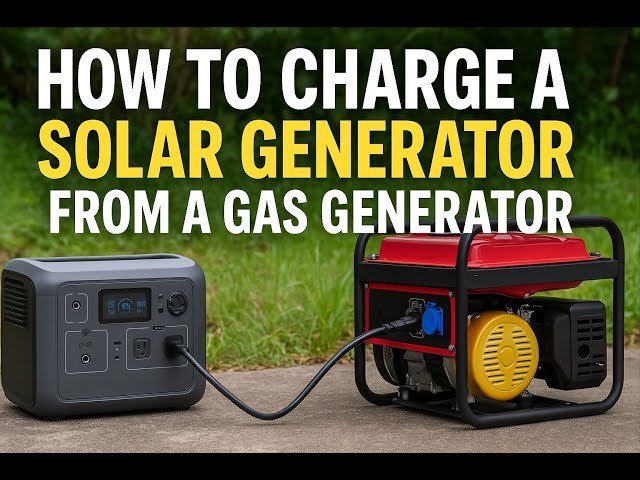
Imagine having the best of both worlds—clean, renewable energy at your fingertips, backed up by reliable, on-demand power. You’re likely asking yourself, “Can I power a solar generator with a gas generator?”
This question might seem like a puzzle, but unraveling it could unlock a new level of energy independence for you. Picture this: a seamless blend of sustainability and reliability, making sure you’re never left in the dark. As you read on, you’ll discover not just the answer, but also the possibilities this hybrid solution could offer your home or outdoor adventures.
Stick with us, and you’ll soon see how this innovative energy duo might just be the game-changer you’ve been looking for.
Basics Of Solar Generators
Understanding solar generators is crucial for anyone considering alternative power sources. These devices offer a clean way to harness energy from the sun. They store the power in built-in batteries, providing electricity when needed.
Solar generators are quiet and eco-friendly. They emit no harmful gases, making them ideal for indoor use or camping trips. Their portability is another advantage, allowing easy transport to various locations. These generators are gaining popularity due to their ease of use and sustainability.
The primary components of a solar generator include solar panels, a battery, and an inverter. Solar panels capture sunlight and convert it into electricity. The battery stores this electricity for later use, while the inverter changes it into AC power for appliances.
Understanding Solar Panel Efficiency
Solar panel efficiency measures how well the panels convert sunlight into electricity. Higher efficiency panels capture more energy in limited space. This makes them ideal for small setups or areas with limited sunlight.
Battery Storage Capacity
The battery capacity determines how much energy the generator can store. Larger batteries provide more power for longer periods. This is essential for reliable energy supply during cloudy days or at night.
Inverter Functionality
The inverter is key to using solar-generated power. It converts stored DC power into AC power for household devices. A high-quality inverter ensures efficient energy conversion with minimal loss.
Portability And Design
Solar generators come in various sizes and designs. Compact models are easy to carry, perfect for outdoor adventures. Larger units may offer more power but require more storage space.
Environmental Impact
Solar generators have a lower environmental impact compared to gas generators. They reduce reliance on fossil fuels, helping to decrease carbon footprints. This makes them a green choice for eco-conscious users.
Cost And Investment
Initial costs for solar generators can be high, but savings on fuel are significant. They are a wise long-term investment, offering free energy from the sun. Consider the balance between upfront cost and long-term benefits.
Gas Generators Explained
Powering a solar generator with a gas generator is possible. Connect the gas generator to recharge the solar generator’s batteries. This setup provides a reliable backup power source when sunlight is insufficient.
Gas generators are popular backup power sources. They are reliable in emergencies. Understanding how they work is essential for efficient use. Gas generators convert fuel into electricity. This process involves an internal combustion engine. It burns gasoline to create mechanical energy. A generator then turns this energy into electrical power.How Gas Generators Work
A gas generator uses an engine to produce power. The engine runs on gasoline or diesel. It ignites fuel to create mechanical energy. This energy turns an alternator. The alternator generates electricity. This electricity powers your appliances and devices.Components Of A Gas Generator
Gas generators have key components. These include the engine, alternator, fuel system, and control panel. The engine burns fuel to create energy. The alternator converts this energy into electricity. The fuel system stores and supplies fuel. The control panel allows you to operate the generator.Types Of Gas Generators
There are portable and standby gas generators. Portable generators are small and easy to move. They are ideal for temporary power needs. Standby generators are large and fixed. They automatically start during a power outage.Advantages Of Gas Generators
Gas generators provide reliable backup power. They are easy to start and operate. Their fuel is widely available. They offer a quick power solution in emergencies. Gas generators are cost-effective for short-term use.Limitations Of Gas Generators
Gas generators can be noisy and produce emissions. They require regular maintenance. Fuel storage can be a concern. Their operation costs can add up over time. They are less eco-friendly compared to solar options.Compatibility Of Solar And Gas Generators
Powering a solar generator with a gas generator is possible. Use the gas generator to charge the solar generator’s battery. This setup provides an efficient backup during cloudy days or at night.
Compatibility of Solar and Gas Generators Combining solar and gas generators can provide reliable power solutions. Each generator type has unique benefits. Solar generators are eco-friendly and silent. Gas generators offer consistent power and quick start-up. Understanding their compatibility is crucial for effective use.Technical Considerations
Check the output voltage of both generators. Ensure they match. Use an inverter if needed. Consider the wattage capacity of each generator. Do not exceed the lowest capacity to avoid damage. Ensure the connectors are compatible. You may need adapters. Monitor the power load when both are used together.Safety Measures
Always follow safety guidelines when using generators. Keep generators in a well-ventilated area. Avoid using them indoors. Maintain a safe distance from flammable materials. Use proper grounding to prevent electric shocks. Regularly inspect generators for wear and tear. Ensure all connections are secure before operation.Benefits Of Combining Generators
Powering a solar generator with a gas generator offers flexibility and reliability. This combination ensures a continuous power supply during cloudy days or at night. It’s an efficient way to harness renewable energy while having a backup option.
Combining a solar generator with a gas generator can provide a robust solution to your energy needs, especially during unexpected power outages or in remote locations. This hybrid approach allows you to take advantage of the unique strengths of each generator type. With solar energy, you tap into a renewable source, while gas generators offer reliability and consistency. Together, they create a dynamic partnership that enhances energy security and reduces environmental impact. Let’s delve into the benefits of this combination.Enhanced Energy Security
Using both solar and gas generators increases your energy security significantly. Imagine you’re in the middle of a camping trip when clouds cover the sky, limiting solar power generation. With a gas generator on hand, you have a reliable backup to ensure your devices remain charged, and your lights stay on. This dual setup allows you to be prepared for any situation, whether it’s a natural disaster or a simple power outage. Moreover, during extended periods of low solar activity, the gas generator can step in to provide continuous power, ensuring that you never have to worry about being left in the dark.Environmental Impact
Combining solar with gas generators also offers an opportunity to minimize your environmental footprint. Solar energy is clean and renewable, reducing reliance on fossil fuels. By using solar power during sunny days, you cut down on gas consumption, which can lower emissions and pollution. While gas generators do emit carbon, using them sparingly and only when necessary helps reduce overall environmental impact. This approach allows you to enjoy the reliability of gas without fully sacrificing eco-friendly practices. As you consider this hybrid solution, ask yourself: How can you best balance reliability and sustainability in your energy choices? By thoughtfully integrating these technologies, you can enjoy the benefits of both worlds, ensuring you’re always ready for whatever comes your way.Challenges And Limitations
Powering a solar generator with a gas generator has challenges. Compatibility issues can arise between the systems. Additionally, efficient energy transfer might be difficult, impacting overall performance and sustainability.
Powering a solar generator with a gas generator sounds innovative. Yet, it presents various challenges and limitations. These issues can affect performance and practicality. It’s essential to weigh these factors before proceeding.Efficiency Concerns
Using a gas generator to power a solar generator might reduce efficiency. Gas generators produce energy through combustion. This process is less efficient than solar energy. Solar generators rely on clean energy from the sun. Combining these two can lead to energy losses. This reduces the overall efficiency of the system.Cost Implications
The cost of running a gas generator can be high. Fuel prices fluctuate and can impact expenses. Solar generators, once installed, have minimal running costs. Adding a gas generator increases initial and ongoing costs. Maintenance and fuel add to the financial burden. It becomes crucial to consider these cost implications carefully.
Credit: iallpowers.com
Practical Applications
Combining a solar generator with a gas generator might seem like an unusual pairing, but it opens up a world of practical applications. Imagine having the flexibility to harness the sun’s power while also having a reliable backup during cloudy days or emergencies. This hybrid approach can be particularly useful in scenarios where energy security and accessibility are paramount. Let’s explore some practical applications that highlight the advantages of this setup.
Emergency Preparedness
In times of unexpected power outages, having a solar generator powered by a gas generator can be a lifesaver. During storms or natural disasters, the sun might be obscured, limiting solar energy generation. That’s where the gas generator steps in, ensuring you have a continuous power supply. You can keep essential devices like medical equipment, communication devices, and refrigerators running smoothly.
Consider the peace of mind you’ll gain from knowing you have a robust backup plan. Have you ever been caught in a blackout with no immediate solution? This dual-generator setup ensures you’re never left in the dark.
Remote Locations
If you find yourself in remote areas with no access to the grid, this combination becomes your power lifeline. Solar generators are excellent for harnessing renewable energy during sunny days, but sometimes nature isn’t on your side. Enter the gas generator: it fills the gap during solar shortages, providing the energy you need to keep your adventures going.
Think about your last camping trip or off-grid experience. Did you ever wish you had a reliable power source to keep your gear charged? This setup offers the reliability of solar energy with the assurance of gas power when necessary.
Future Trends In Generator Technology
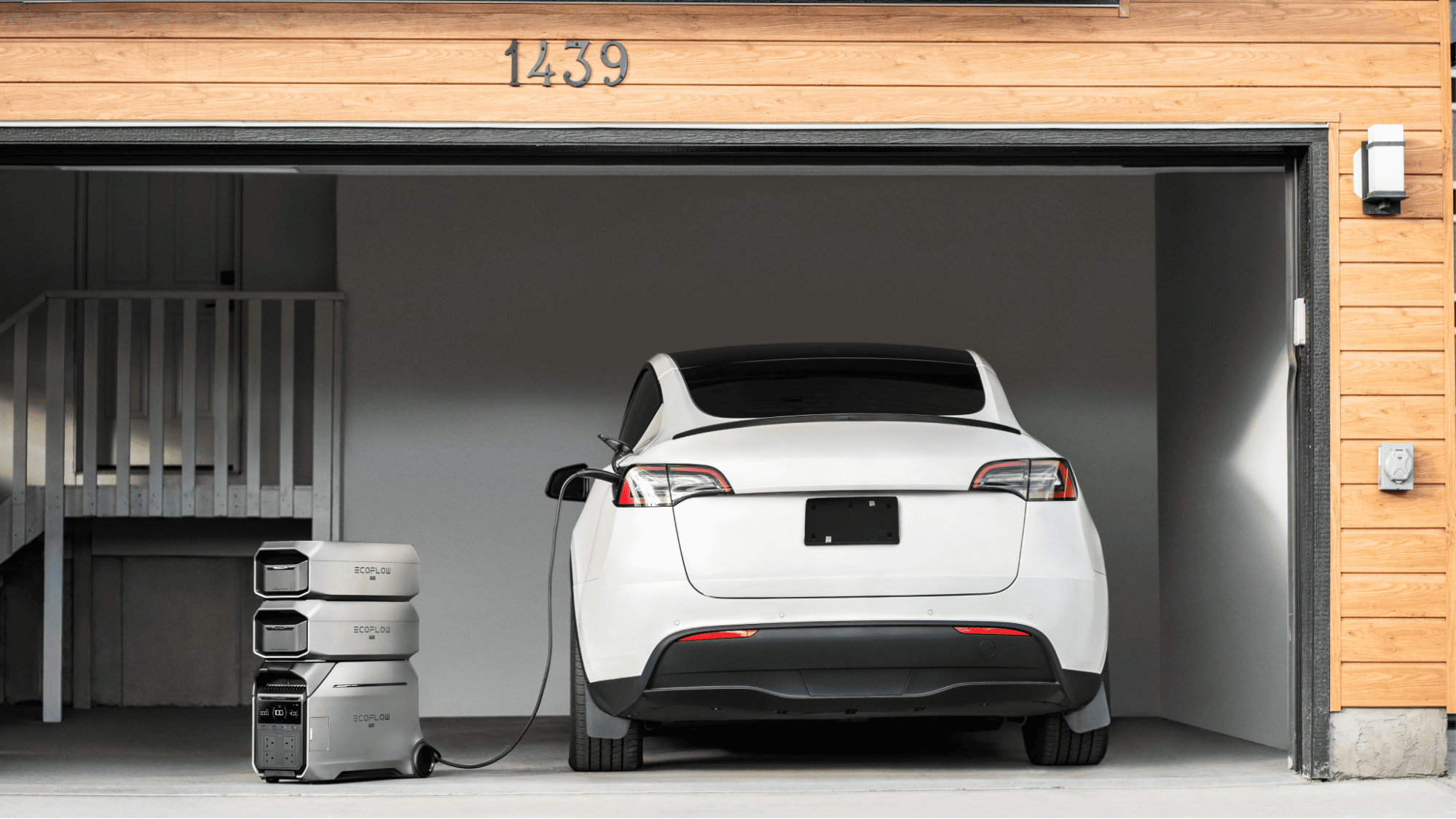
Exploring hybrid energy solutions, combining solar and gas generators offers flexibility. A gas generator can charge a solar generator, ensuring power availability. This setup provides backup during cloudy days, optimizing energy use.
Future Trends in Generator Technology The world of generators is evolving rapidly. New technologies are shaping how we use power. Solar and gas generators are merging in innovative ways. This fusion offers exciting possibilities for energy production.Innovative Solutions
Combining solar with gas generators opens new doors. Hybrid systems are becoming popular. These systems use solar panels during the day. At night, gas generators kick in. This ensures a constant energy supply. Smart technologies are also playing a role. Systems now adjust power sources automatically. They detect energy demand and switch accordingly. This helps save fuel and reduce emissions.Market Potential
The market for hybrid generators is growing. People are seeking reliable energy solutions. Businesses are investing in these technologies. They offer cost savings and sustainability benefits. Governments are supporting green energy initiatives. Incentives for solar and hybrid systems are increasing. This boosts market potential and accelerates adoption. Investors are seeing the value in these technologies. The demand for clean, efficient energy is rising. Hybrid generators are meeting this demand. They provide a promising future for energy solutions.
Credit: www.youtube.com
Credit: www.ecoflow.com
Frequently Asked Questions
Can You Charge A Solar Generator With A Gas-powered Generator?
Yes, you can charge a solar generator using a gas-powered generator. Connect the gas generator to the solar generator’s AC input. Ensure compatibility with voltage and wattage requirements. This method provides a backup charging option when solar energy is unavailable.
Always follow manufacturer guidelines for safe operation.
What Size Generator Do I Need To Charge My Solar Battery?
Choose a generator with wattage matching or exceeding your solar battery’s charging requirements. Typically, 2000-3000 watts suffice for residential needs. Consult your battery’s specifications and calculate total power consumption for precise sizing. Proper sizing ensures efficient charging and prevents overloading.
Always prioritize safety and efficiency in generator selection.
What Are The Disadvantages Of A Solar Generator?
Solar generators have limited power capacity, making them unsuitable for high-energy devices. They rely on sunlight, which is inconsistent. Initial costs are high, and battery lifespan can be short. They require regular maintenance and can be bulky to transport.
Can A Generator And Solar Work Together?
Yes, generators and solar panels can work together. They complement each other, providing reliable power. Solar panels charge batteries during the day, while generators provide backup during low sunlight or high demand. This combination ensures consistent electricity supply, enhancing energy efficiency and resilience for homes or businesses.
Conclusion
Powering a solar generator with a gas generator is possible. It offers flexibility in energy sources. This method combines renewable and non-renewable energy. Solar panels work well during sunny days. Gas generators can support during cloudy weather. This hybrid solution ensures consistent power supply.
It’s practical and efficient for various needs. Always check compatibility between devices. Understanding both systems is crucial. Make informed choices for your energy needs. Consider environmental impact and costs. A balanced approach can maximize benefits. Stay powered, no matter the conditions.