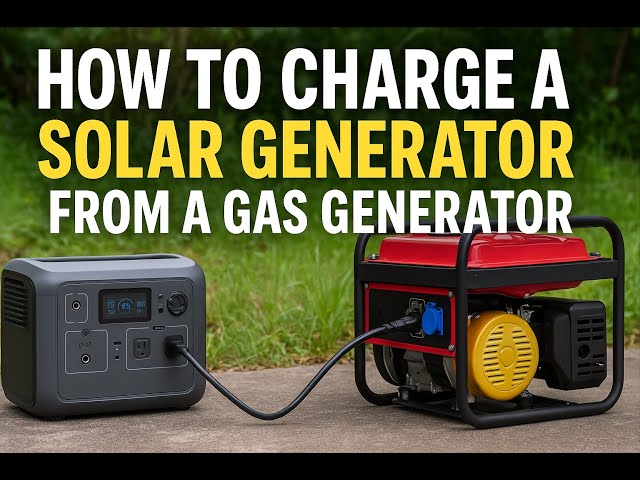
Ever wondered if you can recharge your solar generator while it’s in use? You’re not alone.
Many people are curious about this energy-saving device and how it can work seamlessly. Imagine the convenience of powering your essential gadgets and charging the generator at the same time. Sounds like a game-changer, right? We’ll delve into the fascinating world of solar generators and reveal the secrets behind their functionality.
You’ll discover tips, tricks, and real-life insights that can help you make the most of your solar power. So, if you’re ready to unlock the potential of your solar generator and ensure you never run out of power when you need it the most, keep reading!
Solar Generator Basics
Understanding solar generator basics is essential for anyone considering harnessing the power of the sun. A solar generator is a convenient and eco-friendly solution for powering your devices, especially in off-grid situations. But, many people wonder if they can recharge it while using it, making it a truly versatile power source.
Components Of Solar Generators
A solar generator consists of three main components: solar panels, a battery, and an inverter. The solar panels capture sunlight and convert it into electricity. This electricity is stored in the battery, which acts as the heart of your solar generator. The inverter then converts the stored energy into a form that’s usable by your devices, usually alternating current (AC).
Imagine you’re camping in the woods, and you need to charge your phone while running a small fan. Your solar generator’s battery ensures you have enough power stored, while the inverter allows you to use it efficiently. This setup is perfect for those seeking a sustainable lifestyle or just a reliable backup during power outages.
How Solar Generators Work
The operation of a solar generator is straightforward. Solar panels absorb sunlight and create direct current (DC) electricity. This DC electricity is then transferred to the battery for storage. With an inverter, the stored energy is converted into AC electricity, which powers your devices.
Can you recharge and use it simultaneously? The answer is yes, but with some conditions. The incoming solar energy must exceed the energy being used. Picture a sunny day where your solar panels gather more energy than your devices consume. You can recharge the battery while using it, ensuring an uninterrupted power supply.
Have you ever been in a situation where your devices suddenly ran out of power? With a solar generator, you can avoid this hassle. Always be prepared by ensuring optimal conditions for both recharging and usage.
With the right knowledge, you can make the most out of your solar generator, ensuring a reliable and green power source wherever you go. Are you ready to embrace the sustainable energy lifestyle?
Simultaneous Charging And Usage
Many solar generators allow for simultaneous charging and usage. This means you can recharge while powering devices. Ensure your solar generator supports this feature to prevent any issues.
Harnessing solar energy is a powerful way to keep your devices running, especially when you’re off the grid. But a common question arises: Can you recharge your solar generator while using it? This concept, known as simultaneous charging and usage, is crucial for those who rely heavily on solar power. Understanding how this process works can help you maximize efficiency and get the most out of your solar generator.Is It Possible?
Yes, it is possible to recharge your solar generator while using it. Most modern solar generators are designed to allow simultaneous charging and usage. This means you can keep your devices powered up while the generator itself is being replenished by the sun. However, this capability depends on the specific model and its built-in technology. Always check your generator’s manual to ensure it supports this feature.Impact On Efficiency
While it’s convenient to charge and use your generator at the same time, it can affect the efficiency. The power being drawn by your devices may reduce the amount available for charging the generator’s battery. This could lead to slower charging times. If you’re using high-wattage devices, the generator might not charge at all during usage. It’s a balancing act between power consumption and charging speed, and understanding your energy needs is key. Consider prioritizing essential devices to ensure the generator charges effectively. Would it be better to stagger usage and charging to maximize efficiency? This strategic approach can make a significant difference in how long your power lasts.Technical Considerations
Recharging your solar generator while using it involves understanding key technical aspects. These aspects ensure efficient and safe usage. Let’s explore some crucial components involved.
Inverter Capacity
The inverter converts DC power to AC power. This conversion powers your appliances. The inverter’s capacity should match your energy needs. Overloading can cause inefficiency or damage. Check your generator’s specifications. Ensure it can handle simultaneous charging and usage. Larger appliances require higher inverter capacities. Always balance the load for optimal performance.
Battery Management Systems
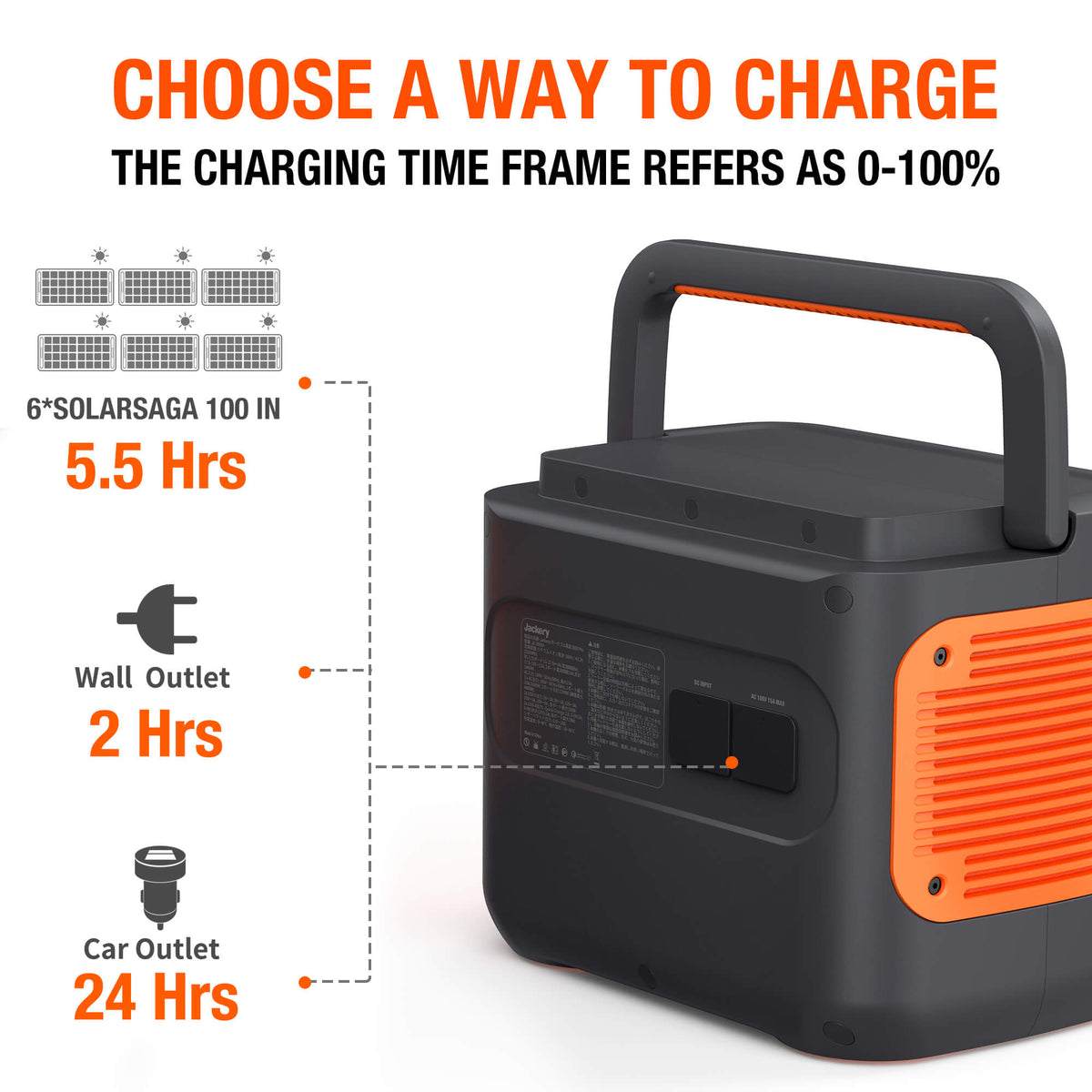
The Battery Management System (BMS) monitors battery health. It ensures safe charging and discharging. A good BMS prevents overcharging and overheating. It prolongs battery life. Some systems have smart features. These allow real-time monitoring and adjustments. Ensure your solar generator has a reliable BMS. This ensures efficiency during simultaneous use and charging. A robust BMS is crucial for maintaining battery integrity.
Credit: ca.jackery.com
Pros And Cons
Recharging a solar generator while using it can save time, offering continuous power. But it might slow charging efficiency, potentially prolonging full battery replenishment.
Recharging a solar generator while using it can be a practical option. It allows continuous power supply for essential devices. Yet, it comes with its own set of advantages and disadvantages. Understanding these can help users make informed decisions. Here, we explore the benefits and potential drawbacks of this dual functionality.Benefits Of Dual Functionality
Using and charging the generator simultaneously provides uninterrupted power. This is crucial during long-term power outages. It ensures devices remain functional without delay. The generator can recharge itself during daylight while powering devices. This setup maximizes solar energy use. It reduces reliance on stored battery power. Users benefit from consistent power without having to swap devices. It is also eco-friendly, utilizing renewable energy efficiently.Potential Drawbacks
Simultaneous use and charging may affect the generator’s efficiency. Energy output might be lower than expected. Some devices may not perform optimally. Battery lifespan could be impacted by constant cycling. Over time, this may reduce the generator’s performance. Not all generators are designed for dual functionality. Compatibility issues may arise with certain models. Users need to ensure their generator supports this feature. Otherwise, they risk damaging the equipment.Best Practices
Recharging your solar generator while using it is often possible, depending on the model. Ensure your generator supports simultaneous charging and discharging for optimal performance. Always refer to the manufacturer’s guidelines to avoid damaging your equipment.
Recharging your solar generator while using it can be a game changer. This dual process ensures you have a continuous power supply, especially during extended outdoor adventures or unexpected power outages. However, to get the best out of this capability, you need to follow some best practices.Optimal Charging Conditions
Ensuring your solar panels are exposed to direct sunlight maximizes energy absorption. Set them up in an open area, free from shadows cast by trees or buildings. If possible, adjust the angle of the panels throughout the day to follow the sun’s path. Using high-efficiency panels can significantly enhance charging speed. Consider investing in panels that have a higher wattage output to keep your generator powered up even in less-than-ideal conditions. Avoid using power-hungry appliances simultaneously while charging. This balance helps maintain battery health and ensures your generator doesn’t run out of power when you need it most.Maintenance Tips
Regular maintenance can extend the life of your solar generator. Clean your solar panels with a soft cloth and water to remove dust and grime. This simple act can improve the efficiency of your panels, ensuring they capture as much sunlight as possible. Check the battery health periodically. Look for signs of wear or capacity reduction, and replace it if needed. Keeping the battery in top shape ensures it delivers the power you rely on during critical times. Store your generator in a cool, dry place when not in use. Excessive heat or moisture can degrade its components over time, reducing its overall performance. Are you taking these steps to optimize your solar generator usage? By implementing these practices, you can make sure your generator serves you well, whenever and wherever you need it.Choosing The Right Solar Generator
Choosing the right solar generator is vital for efficient energy use. Many models offer the ability to recharge while in use, but not all are created equal. The key is finding one that matches your energy needs. Whether you’re powering a campsite or a home, selecting the right generator ensures you never run out of power.
Key Features To Look For
Understanding the essential features can simplify your decision. Focus on battery capacity first. A larger battery means longer usage times. Next, check the inverter size. This determines how much power you can draw at once. Portability is another factor. Lightweight models are easier to transport. Look for solar panels with high efficiency ratings. Quick charging times keep your generator ready.
Brands And Models
Several brands offer reliable solar generators. Goal Zero provides durable options with strong output. Jackery is known for portable models suitable for travel. Bluetti offers advanced technology in their designs. Each brand has unique strengths. Compare features to find what suits your needs best. Popular models like Jackery Explorer or Bluetti AC200P have received positive reviews. They combine power with usability.
Future Innovations
As solar generators become a staple in sustainable energy solutions, the question of recharging while in use sparks curiosity and excitement about future innovations. Imagine a scenario where your generator never runs out of juice, even as you power your devices. This concept isn’t just a far-off dream; it’s on the horizon, thanks to rapid advancements in technology. Let’s dive into what future innovations might hold for solar generators.
Advancements In Technology
Recent breakthroughs in solar panel efficiency and battery technology are paving the way for solar generators that can recharge while in use. High-efficiency panels now capture more sunlight even under less-than-ideal conditions, providing consistent power. Meanwhile, lithium-ion batteries are becoming more robust, allowing for simultaneous charging and discharging.
Imagine solar panels that adjust their angle automatically to maximize exposure to sunlight throughout the day. This could dramatically increase the amount of energy captured. There’s also talk of integrating AI to optimize energy flow, ensuring your devices receive the power they need without overloading the system. Could these advancements make solar generators a household staple?
Predictions For The Industry
Industry experts predict that solar generators will become increasingly versatile and user-friendly. As technology progresses, prices are likely to drop, making them accessible to more people. Picture solar generators becoming as common as smartphones, with models tailored for different needs—from camping trips to home backup systems.
There’s potential for solar generators to sync with other smart home devices, creating an interconnected energy ecosystem. Imagine receiving a notification on your phone when your generator needs maintenance or when optimal sunlight conditions are approaching. How would such convenience change your approach to energy consumption?
The future holds promising possibilities for solar energy, with each innovation bringing us closer to a world where sustainable power is the norm. What role will you play in this evolving landscape?

Credit: www.facebook.com

Credit: www.dji.com
Frequently Asked Questions
Can Solar Generators Charge While In Use?
Yes, many solar generators can charge while in use. This feature depends on the generator’s design and capacity. Ensure your solar generator supports simultaneous charging and discharging. Always check the manufacturer’s specifications to confirm this capability for your specific model.
Can I Charge My Solar Battery And Use It At The Same Time?
Yes, you can charge your solar battery and use it simultaneously. This is a common setup in solar systems, allowing energy storage while powering devices.
How Many Times Can You Recharge A Solar Generator?
A solar generator can typically be recharged over 500 times, depending on battery type and usage. Lithium-ion batteries usually offer more cycles than lead-acid ones. Regular maintenance and optimal charging conditions can extend the lifespan. Check manufacturer specifications for exact recharge limits and guidelines for your specific model.
Can You Charge And Use A Power Station At The Same Time?
Yes, most modern power stations support simultaneous charging and use. This feature is called “pass-through charging. ” Always check the manufacturer’s instructions to ensure safe operation.
Conclusion
Solar generators offer versatile and eco-friendly power solutions. Yes, you can recharge them while using, but efficiency varies. Check your generator’s specifications. Some models handle simultaneous charging and usage better than others. Optimal sunlight boosts charging efficiency. So, place your solar panels wisely.
Regular maintenance ensures peak performance. Read the manual for best practices. Always monitor your generator’s power levels. This prevents unexpected shutdowns. Consider your energy needs and usage patterns. They guide your decision-making. Investing time in research pays off. An informed choice enhances your solar experience.
Enjoy reliable, sustainable power.