Are you thinking about replacing your municipality standby generator but wondering if you need a permit first? You’re not alone.
Many homeowners and business owners ask this question because the rules can seem confusing and overwhelming. What if you start the replacement without proper approval? Could it lead to fines or safety issues? You’ll get clear answers about when a permit is necessary and what steps you should take to avoid costly mistakes.
Keep reading to protect your investment and stay on the right side of local regulations.
Permit Requirements For Generator Replacement
Municipalities have specific rulesfor replacing standby generators. These rules depend on local codesand safety standards. Always check the local building departmentbefore starting any work.
Permits are usually mandatoryif the generator replacement involves:
- Electrical system changes
- Fuel system modifications
- Structural alterations
- Installation of new equipment
Some exceptions exist where permits are not needed. For example, a like-for-like swap without changes may not require a permit. Small generators under a certain power limit might also be exempt.
| Situation | Permit Required? |
|---|---|
| Replacing with same model, no changes | No |
| Upgrading to larger or different model | Yes |
| Changing fuel or electrical setup | Yes |
| Minor repairs only | No |

Credit: beckelectriccompany.com
Risks Of Skipping Permits
Skipping permits can lead to serious legal troubles. Municipalities often require permits to ensure all rules are met. Without a permit, you risk finesor having to remove the generator.
Safety risksincrease without proper checks. Incorrect installation may cause fire hazardsor electric shocks. These dangers can harm your family or neighbors.
| Risk | Details |
|---|---|
| Legal Consequences | Fines, penalties, or forced removal of the generator |
| Safety Hazards | Fire, electric shock, or other accidents due to poor installation |
| Impact on Insurance Claims | Claims may be denied if no permit was obtained |
Insurance companies may deny claimsrelated to unpermitted work. This can lead to high costs if damage occurs. Getting permits protects you and your property.
Steps To Obtain A Permit
The application process for a standby generator permit needs careful attention. Submit a completed permit form to the local municipality office. Provide accurate details about the generator’s size and location. Pay the required application fee to start the review.
Required documentation usually includes:
- Proof of property ownership or lease
- Technical specifications of the new generator
- Site plan showing generator placement
- Electrician or contractor license details
Inspection procedures involve a site visit by municipal officials. They verify installation matches approved plans. The generator must meet safety and noise standards. Only after passing inspection, the permit gets final approval.
Choosing The Right Generator
Choosing the right generator means matching size and powerto your needs. A generator too small won’t run all devices. Too large wastes money and energy.
Check compatibilitywith your current systems. Some generators fit well with existing setups. Others may need changes or extra parts.
- Fuel type:Gas, diesel, or propane – pick what suits your location.
- Connection:Make sure it connects easily to your home or building.
Energy efficiencymatters. Efficient models save fuel and cost less to run. Look for units with good ratings and features that reduce waste.
Professional Installation Vs Diy
Replacing a municipality standby generator usually requires a permit to meet safety rules. Professional installation ensures code compliance and avoids fines. DIY may save money but risks legal issues and improper setup.
Benefits Of Hiring Experts
Experts ensure safetyby following all local codes. They have the right tools and knowledge. This reduces the risk of damage or injury. Professionals handle paperwork and permits, saving time. They offer warranties and supportfor the work done. This gives peace of mind and trust in the installation.
Common Installation Mistakes
- Wrong generator size for the property
- Improper wiring causing electrical faults
- Failing to check local permit rules
- Incorrect placement leading to noise or fumes issues
- Not testing the system after setup
Cost Implications
| Installation Type | Typical Cost | Possible Extra Costs |
|---|---|---|
| Professional Installation | $1,000 – $3,000 | Permit fees, inspections, repairs |
| DIY Installation | Lower upfront cost | High risk of fines, damage, no warranty |

Credit: www.permitflow.com
Maintaining Compliance After Replacement
Regular inspectionshelp ensure your standby generator works safely and well. Inspectors check for proper installationand any signs of wear or damage. Keeping up with inspections prevents costly repairs and safety issues.
Accurate record keepingshows compliance with local rules. Keep all documents like permits, inspection reports, and maintenance logs in one place. This makes it easy to prove your generator meets standards.
| Renewal Type | Frequency | Notes |
|---|---|---|
| Permit Renewal | Every 1-3 years | Check local municipality rules for exact timing |
| Inspection Certification | Annually | Must be up-to-date to keep permit valid |
| Maintenance Records | Ongoing | Keep detailed logs for all service work done |
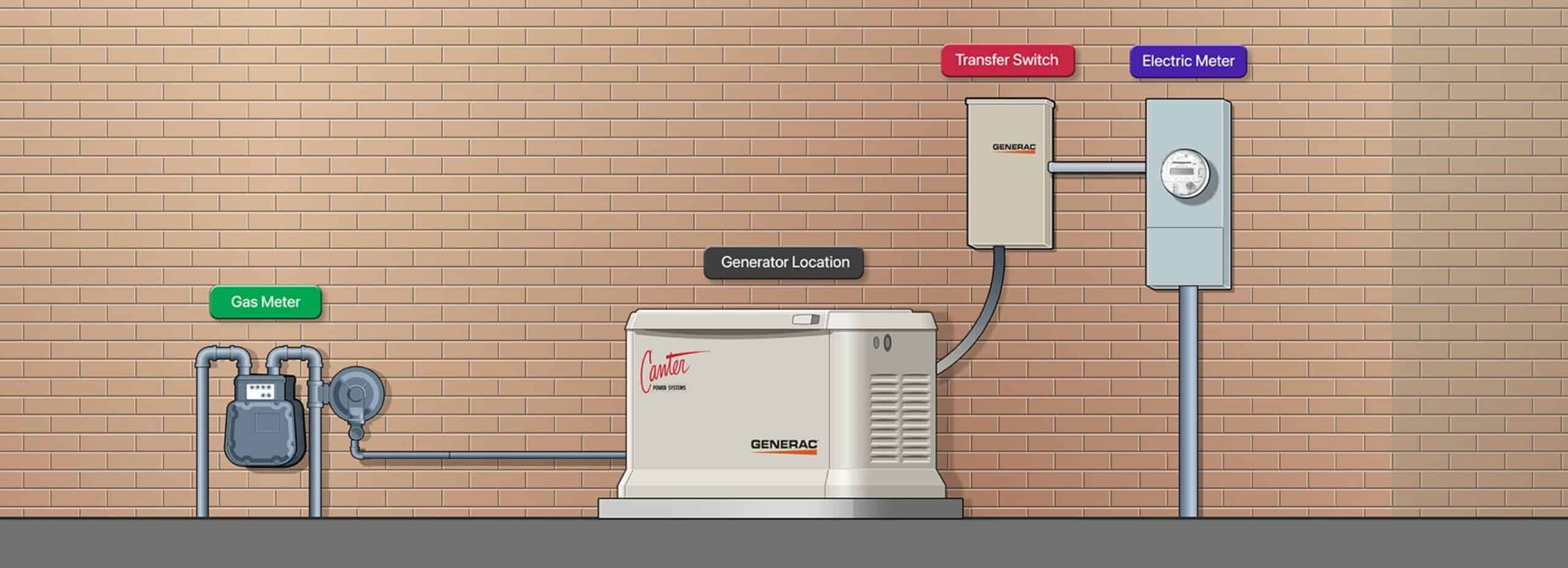
Credit: canterpowersystems.com
Frequently Asked Questions
Can I Replace A Municipality Standby Generator Without A Permit?
No, most municipalities require a permit to replace a standby generator. This ensures safety and code compliance. Always check local regulations before starting the replacement.
What Permits Are Needed For Standby Generator Replacement?
Typically, an electrical permit and sometimes a mechanical permit are needed. These permits ensure the work meets local codes and safety standards.
How To Apply For A Generator Replacement Permit?
Contact your local building department or visit their website. Submit the application with required documents and pay the applicable fees.
What Happens If I Replace A Generator Without A Permit?
You risk fines, penalties, and mandatory removal of the generator. It may also cause insurance and safety issues.
Conclusion
Replacing a municipality standby generator without a permit can be tricky. Always check local regulations first. Permits ensure safety and compliance with rules. Ignoring them might lead to fines or safety risks. Consult local authorities for guidance. They provide the best advice for your area.
Consider hiring a professional if unsure. They know the process well. Proper installation protects your investment. It also ensures your community’s safety. Stay informed and make wise decisions. Your diligence keeps everything running smoothly.