Have you ever found yourself in a power outage, staring at your generator, and wondering if you can simply plug in an extension cord to keep your home running smoothly? You’re not alone.
Many people face this dilemma, especially when unexpected power cuts disrupt their daily routine. It’s a common question, but one that requires careful consideration for both safety and efficiency. Before you rush to grab that extension cord, let’s explore the ins and outs of using it indoors with your generator.
Understanding the potential risks and benefits can help you make informed decisions, ensuring your home remains both powered and safe. By the end of this article, you’ll have a clear picture of what’s best for your setup. Ready to plug into some valuable insights? Read on to discover the answers you need.
Credit: www.vevor.com
Generator And Extension Cord Basics
Generators come in different types like portable, inverter, and standby. Portable generators are small and easy to move. Inverter generators are quiet and good for sensitive devices. Standby generators stay fixed outside and power whole homes during outages.
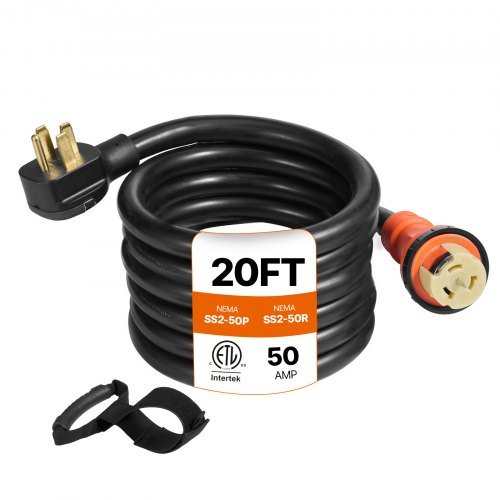
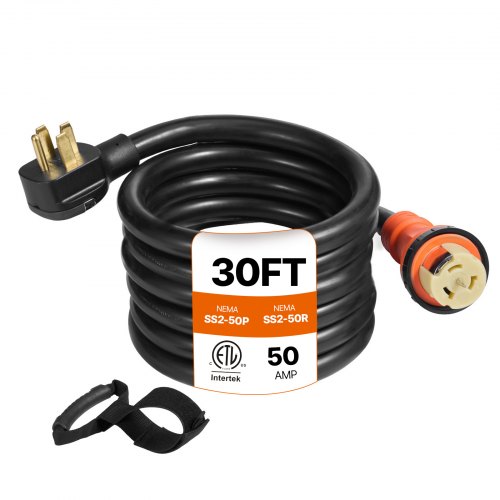
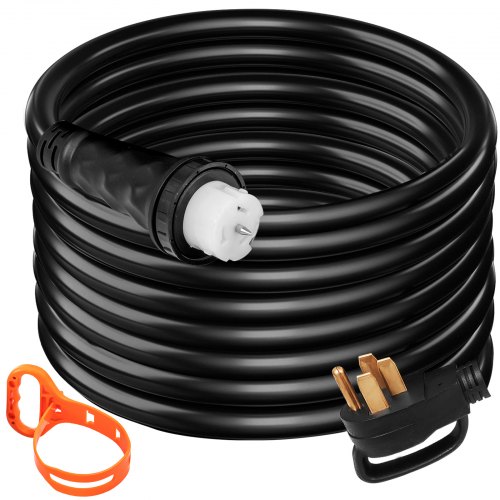
Extension cords vary by length, thickness, and use. Cords with thicker wires carry more power safely. Long cords can cause power drop, so choose the right length carefully.
| Type | Use | Features |
|---|---|---|
| Indoor Extension Cord | Use inside homes | Thinner wire, less durable, not water resistant |
| Outdoor Extension Cord | Use outside or with generators | Thicker wire, water resistant, more durable |
Indoor cords lack protection and can cause fire risks with generators. Outdoor cords are safer for generator use. Always pick cords marked for outdoor use with generators.
Credit: www.vevor.com
Risks Of Using Extension Cords Indoors
Using extension cords indoors with a generator can cause fire hazards. Overloaded cords can heat up and catch fire. Damaged or low-quality cords increase this risk. Keeping cords away from flammable materials is important.
Electrical shock risksrise when cords are used indoors. Wet or damp conditions make shocks more likely. Poor insulation or damaged cords can expose wires, causing dangerous shocks. Always check cords for damage before use.
Carbon monoxide concernsare serious with indoor generator use. Generators produce this odorless, deadly gas. Running a generator indoors, even with cords, can lead to buildup. Proper ventilation is crucial to avoid poisoning.
Choosing The Right Extension Cord
Choosing the right extension cordis important for safe generator use indoors. The cord gaugeshows how thick the wire is. A lower gauge number means a thicker wire that can handle more power. The lengthalso matters; longer cords can reduce power and may cause overheating.
The amp ratingon the cord must match or exceed the generator’s output. Using a cord with a lower amp rating can cause overheatingor damage. Check the generator’s manual for the correct amp rating.
Weather resistancehelps protect cords if they touch damp floors or leaks indoors. Look for cords with insulationthat resists moisture and heat. Even indoors, these features add safety and durability.
Safe Practices For Indoor Use
Extension cordsused indoors with generators need careful handling. Always place cords where people won’t trip on them. Keep cords away from water and heat sources to avoid damage. Use cords with proper thickness for the power load.
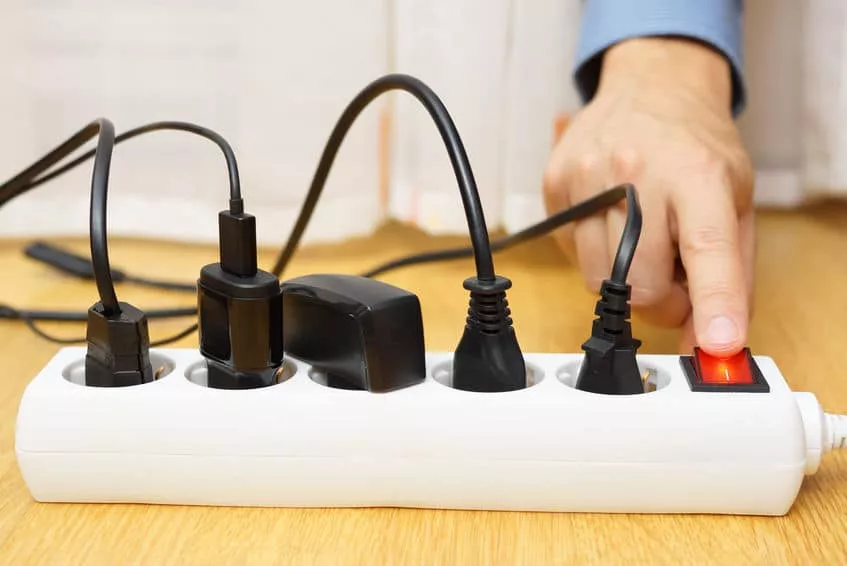
Do not plug too many devices into one cord. Overloads can cause fires or damage to equipment. Check the cord’s amp rating and keep the total load below that number.
- Look for cracks or frays on the cord before use.
- Check plugs for bent or broken prongs.
- Replace cords that show any signs of wear.
Regular inspection helps catch problems early. This keeps you safe and your devices working well.
Alternative Power Solutions
Extension cords are not recommendedfor indoor use with generators. They can cause overheatingand fire risks. Generators produce carbon monoxide, which is dangerous in enclosed spaces.
Direct Connection Options
Connecting a generator directly to your home’s electrical system is safer. Using a transfer switchallows power to flow safely. This prevents backfeeding, which can harm utility workers.
Transfer Switch Benefits
- Safeconnection to home circuits
- Easy to switch between utility and generator power
- Reduces risk of electrical hazards
Battery Backup Systems
Battery backups can store power for use during outages. They are quietand safe indoors. These systems work well for small appliancesand essential devices.
Legal And Code Considerations
Local rules often control the use of extension cordswith generators indoors. Some places forbid it due to fire risksand carbon monoxide dangers. Always check your city or state lawsbefore use.
The National Electrical Code (NEC)provides safety tips. It suggests using cords rated for heavy-dutyand designed for the power load. Cords must have ground-fault circuit interrupters (GFCI)to prevent shocks.
Manufacturer guidelines are vital. They often warn against using cords indoors or with certain generators. Following these rules keeps you safe and your warranty valid.
Credit: www.premium-electric.ca
Frequently Asked Questions
Can I Safely Use Extension Cords Indoors With A Generator?
Using extension cords indoors with a generator can be risky. Always ensure cords are rated for indoor use and can handle the generator’s power load. Avoid running cords through windows or doors to prevent damage and fire hazards.
What Type Of Extension Cord Is Best For Generators?
Use heavy-duty, grounded extension cords rated for outdoor use with generators. Look for cords labeled 12 or 14 gauge with appropriate amperage ratings. This ensures safe power transfer and reduces the risk of overheating or electrical fires.
How Long Can An Extension Cord Be For Generator Use?
Keep extension cords as short as possible, ideally under 50 feet. Longer cords cause voltage drops, reducing generator efficiency and potentially damaging appliances. Use only cords rated for the required power and length.
Can Using Extension Cords With Generators Cause Fire Hazards?
Yes, improper use of extension cords with generators increases fire risks. Overloading cords or using damaged cords can cause overheating. Always inspect cords and avoid overloading to maintain safe operation.
Conclusion
Using an extension cord indoors with a generator can be safe with care. Choose cords made for heavy use and check their length and wattage rating. Keep cords dry and avoid tripping hazards. Never run cords through doors or windows tightly.
Always turn off the generator before plugging or unplugging cords. Following these simple steps helps prevent accidents and keeps your home safe. Stay alert and respect safety rules to use your generator effectively indoors. Safety first, every time.