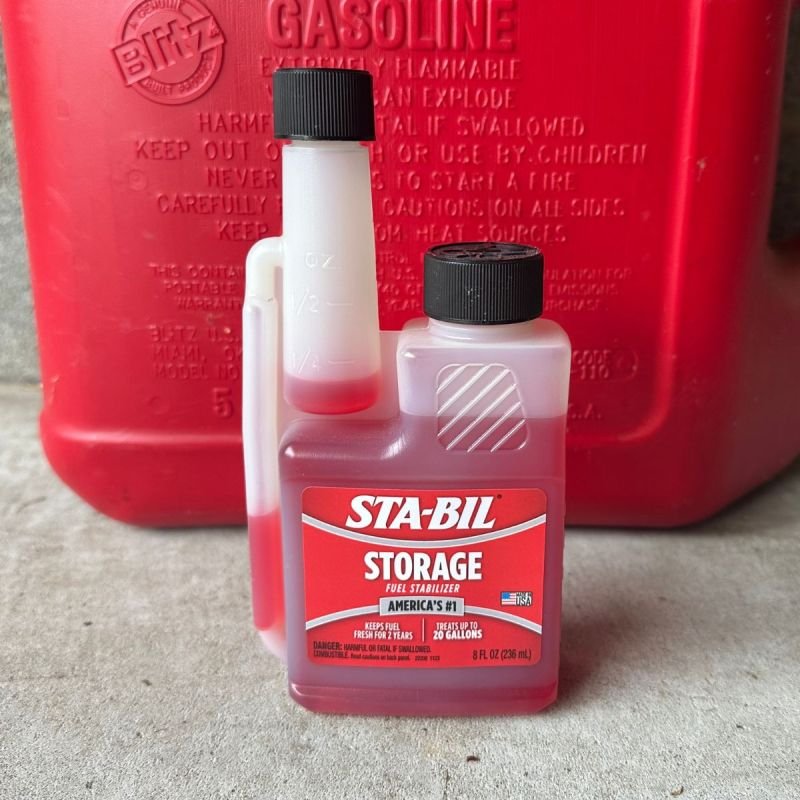
Have you ever found yourself staring at that spare fuel can in your garage, wondering if there’s a way to keep the gasoline fresh for longer? Imagine the frustration of needing to use your stored fuel, only to discover it’s gone bad.
It’s not just about convenience; it’s about maximizing the efficiency of every drop. That’s where fuel stabilizers come into play. But can you really use a fuel stabilizer in a fuel can? If you’re curious about maintaining the quality of your stored fuel and ensuring smooth engine performance, you’re in the right place.
Stay with us as we uncover the truth about fuel stabilizers and how they might just be the solution you’re looking for.
Why Use Fuel Stabilizer
Fuel stabilizerhelps keep fuel fresh and safe for storage. It stops fuel from breaking down and forming gums or varnishes. These can clog engines and fuel lines.
Using fuel stabilizer extends the lifeof fuel stored in cans. It keeps the fuel usable for months or even longer. This means less waste and fewer trips to buy fresh fuel.
Fuel that is old or degraded can cause engine problems. It may lead to hard starts, rough running, or poor performance. Adding stabilizer helps the engine run smoothly and last longer.
Types Of Fuel Cans
Fuel cans come in different materials, sizes, and safety features. The materialaffects how long fuel stays fresh. Common types are metaland plastic. Metal cans are strong but can rust. Plastic cans are light and do not rust, but they may not last as long.
Sizes vary from small 1-gallon cans to large 5-gallon cans. Choose a size based on how much fuel you need to store. Smaller cans are easier to carry and store safely.
| Safety Feature | Description |
|---|---|
| Child-Resistant Caps | Prevent kids from opening the can |
| Spill-Proof Nozzles | Help pour fuel without spills |
| Vent Caps | Allow air flow to prevent pressure build-up |
How Fuel Stabilizer Works
Chemical compositionof fuel stabilizer includes additives that prevent fuel from breaking down. These additives stop oxidation and slow down the formation of gums and varnishes. This keeps the fuel fresh and clean.
Effects on fuelinclude protecting the fuel from losing its power and stopping it from becoming sticky or thick. It also prevents rust and corrosion inside fuel tanks and engines.
Duration of effectivenessvaries by product but usually lasts from 6 months up to 24 months. Proper mixing with fuel is important for best results. Store the fuel can in a cool, dry place to help maintain the stabilizer’s effect.
Using Fuel Stabilizer In Fuel Cans
Fuel stabilizer helps keep fuel fresh in storage cans. Pour the stabilizer into the fuel can first. Then add fresh fuel. Close the can tightly to stop air from getting inside. Shake the can gently to mix the stabilizer and fuel well.
| Fuel Amount | Recommended Stabilizer |
|---|---|
| 1 gallon (3.8 liters) | 1 ounce (30 ml) |
| 5 gallons (19 liters) | 5 ounces (150 ml) |
| 10 gallons (38 liters) | 10 ounces (300 ml) |
Use fuel stabilizer as soon as possible after filling the can. This stops the fuel from breaking down. Store the can in a cool, dry place away from sunlight. Check the fuel every few months to keep it fresh.
Safety Tips For Fuel Storage
Choose a container made of approved materialslike metal or high-density plastic. Containers must be airtightand durableto prevent spills and leaks.
Store fuel cans in a cool, dry placeaway from direct sunlight. Avoid storing near heat sources or flames. Keep the area well-ventilated to reduce the risk of fumes buildup.
- Handle fuel cans carefully to avoid spillsand accidents.
- Never smoke or use open flames near stored fuel.
- Keep fuel cans upright to prevent leaks.
- Ventilate storage areas to let fumes escape safely.

Credit: trueprepper.com
Common Mistakes To Avoid
Using fuel stabilizer in a fuel can is helpful but avoid mixing old and new fuel. Never overfill the can to prevent leaks and spills. Always store the can in a cool, dry place to keep the fuel fresh.
Overusing Stabilizer
Using too much fuel stabilizer can cause engine problems. Always follow the product’s instructions. Excess stabilizer does not improve fuel life. It can clog fuel systems instead.
Using Old Or Contaminated Fuel
Old fuel breaks down and loses power. Contaminated fuel can harm engines and cause damage. Store fuel in clean, sealed containers. Replace fuel that smells bad or looks cloudy.
Ignoring Container Maintenance
Fuel cans need regular cleaning. Dirt and water inside cans spoil fuel quickly. Check for cracks or leaks before use. Use containers made for fuel storage only.
Signs Fuel Stabilizer Is Working
Fuel remains clear and fresh without foul odors, showing the stabilizer is effective. Engines start easily after storage, proving fuel quality is maintained. No gum or residue builds up, indicating the stabilizer protects fuel properly.
Fuel Appearance Changes
Fuel stays clearand does not turn dark or cloudy. This shows the stabilizer is keeping it fresh. No sticky or gummy residue means the fuel is still good. Properly treated fuel looks clean and smooth.
Engine Performance
Engine starts easilyand runs smoothly without sputtering. No strange noises or rough idling means the fuel is still strong. Good fuel helps the engine work well even after storage.
Storage Duration
Fuel lasts longerwithout going bad, usually 6 to 12 months. Stabilizer helps prevent fuel from breaking down over time. This means fuel can be stored safely for months without damage.

Credit: trueprepper.com
Alternatives To Fuel Stabilizer
Regular fuel rotationhelps keep fuel fresh in cans. Use older fuel first and replace it with new fuel. This prevents fuel from going stale.
Using fresh fuelis important for engines. Fuel degrades over time and can cause problems if stored too long. Always fill cans with fresh fuel for best results.
There are other additivesbesides stabilizers. Some help clean engines or improve performance. Be sure to check if they are safe for your fuel and engine type.

Credit: trueprepper.com
Frequently Asked Questions
Can I Use Fuel Stabilizer In A Fuel Can?
Yes, you can use fuel stabilizer in a fuel can. It helps prevent fuel breakdown and keeps it fresh for longer storage periods.
How Much Fuel Stabilizer Should I Add To Fuel Cans?
Add fuel stabilizer according to the product’s instructions. Usually, one ounce per gallon of fuel is recommended for optimal preservation.
Will Fuel Stabilizer Prevent Fuel From Going Bad?
Fuel stabilizer slows oxidation and stops fuel from degrading. It effectively extends the usable life of stored fuel for months.
Can Fuel Stabilizer Protect Fuel In Plastic Containers?
Yes, fuel stabilizer works well in plastic fuel cans. It prevents gum and varnish buildup that can clog engines.
Conclusion
Using fuel stabilizer in a fuel can helps keep gas fresh longer. It prevents fuel breakdown and stops engine problems. Always add the right amount to avoid issues. Store fuel cans in a cool, dry place for best results. This simple step saves money and time on repairs.
Keep your equipment running smoothly and ready to use. Fuel stabilizers make a big difference in fuel storage. Try it and see how it protects your fuel.