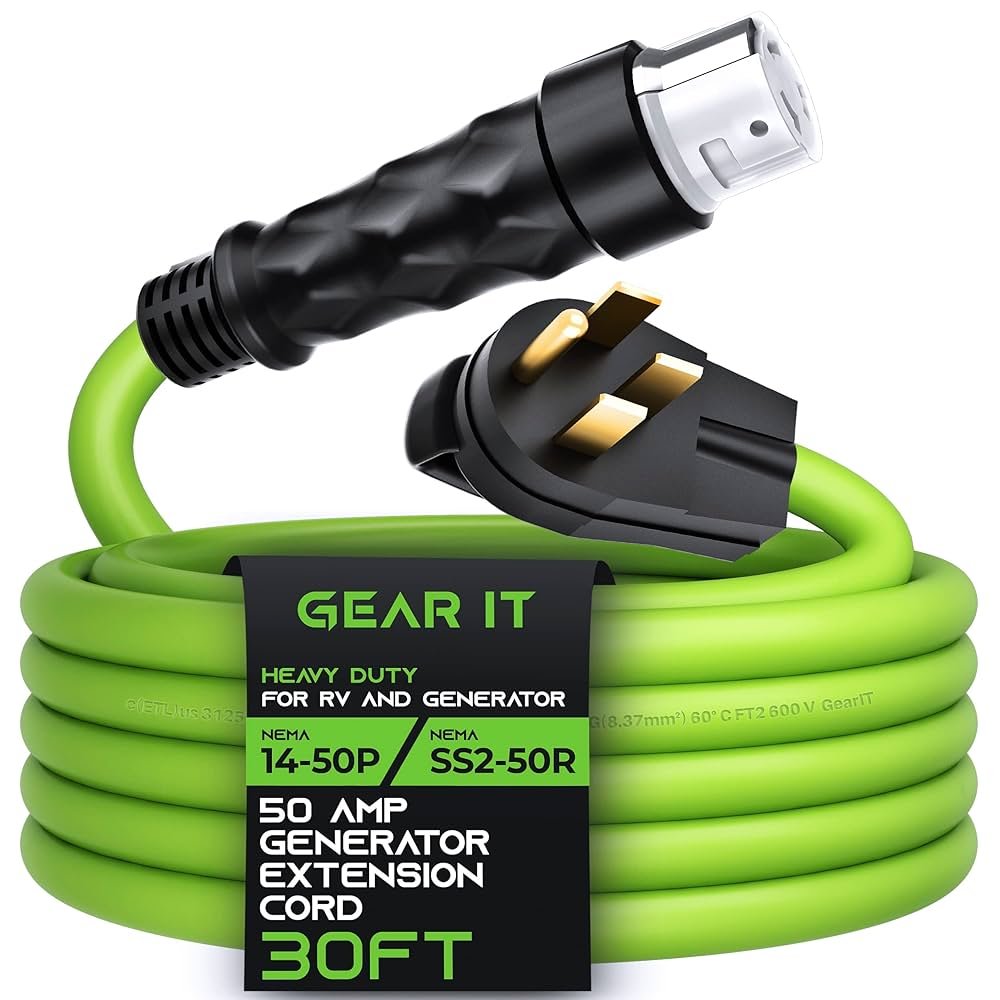
Are you wondering if you can use a regular extension cord with your generator? It’s a common question, especially if you’re looking to power up your home or gadgets during an outage or camping trip.
Making the right choice is crucial, not just for the efficiency of your generator, but for your safety as well. You might think that any extension cord will do the trick, but there’s more to consider. The wrong extension cord can lead to overheating, equipment damage, or even a fire hazard.
Before you plug in and power up, let’s dive into what you need to know to make a smart and safe decision. Keep reading, because your safety and the performance of your devices depend on it.
Credit: www.vevor.com
Extension Cords And Generators
Extension cords come in different types and sizes. Using the right one with a generator is very important. Regular extension cords may not handle the power outputof a generator safely. They can overheator cause fire hazards.
- Light-duty cords:Thin wires, for small devices only.
- Medium-duty cords:Thicker wires, for tools and appliances.
- Heavy-duty cords:Thickest wires, designed for high power loads like generators.
| Generator Power Output (Watts) | Recommended Extension Cord Gauge |
|---|---|
| Up to 1500W | 16 gauge or thicker |
| 1500W to 3000W | 14 gauge or thicker |
| Above 3000W | 12 gauge or thicker |
Choosing the correct cord thicknesshelps prevent power loss and keeps everything safe.
Risks Of Using Regular Extension Cords
Using a regular extension cordwith a generator can cause serious overheating. The cord may not handle the generator’s power load. This can lead to fire hazards. Extension cords not made for generators can melt or spark.
Voltage drophappens when the cord is too long or thin. Appliances may get less power than needed. This causes them to work poorly or get damaged.
Damage to appliances is common with wrong cords. Low power or spikes can harm motors and electronics. Using cords without the right rating risks costly repairs or replacements.
Choosing The Right Extension Cord
Choosing the right extension cord is very important for safe generator use. The gaugeand lengthof the cord affect power flow. Thicker cords (lower gauge number) carry more power safely over longer distances.
Use only outdoor-rated cords. These cords resist weather and moisture. Indoor cords can be unsafe and cause shocks or fires.
Match the cord’s capacity to the generator’s output. Check the generator’s watt rating and pick a cord that can handle that power or more. Using a weak cord can cause overheating and damage.
| Extension Cord Feature | Recommendation |
|---|---|
| Gauge | Lower gauge number (12 or 14) for heavy loads |
| Length | Keep as short as possible to avoid power loss |
| Type | Outdoor-rated with proper insulation |
| Capacity | Matches or exceeds generator wattage |
Safe Operation Practices
Proper cord connectionis key for safe generator use. Use cords made for outdoor and high power use. Connect cords firmly to avoid sparks or shocks. Keep cords dry and off the ground to prevent damage.
Avoiding overloadingprotects the generator and cords. Check the generator’s watt limit. Add the wattage of all devices plugged in. Never plug in more than the cord or generator can handle.
Regular inspection and maintenancekeep cords safe. Look for cracks, frays, or exposed wires. Replace damaged cords immediately. Clean the generator and cords to avoid dirt buildup. Store cords in a dry place.
Alternatives To Regular Extension Cords
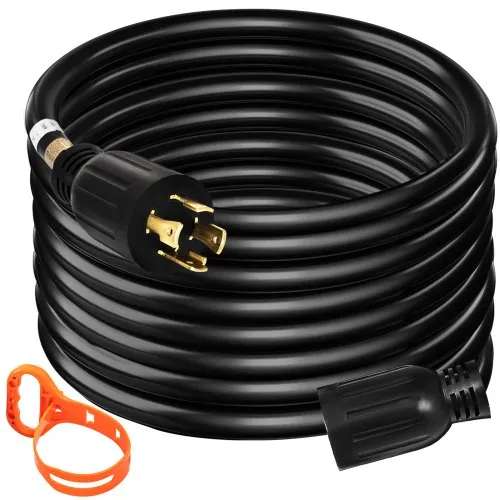
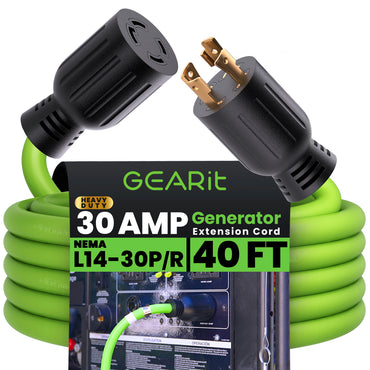
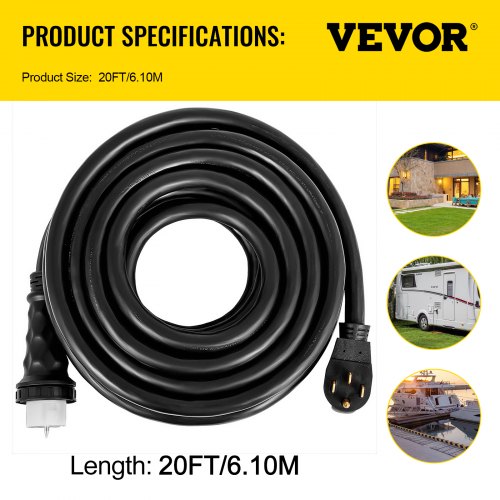
Heavy-duty generator cordsare designed to handle more power safely. They have thicker insulation and larger wires than regular cords. Using these cords reduces the risk of overheating and fire. They come in different lengths and thicknesses to match your generator’s power needs.
Transfer switcheslet you connect your generator directly to your home’s electrical system. This method is safer than using extension cords. Transfer switches prevent backfeeding, which can harm utility workers. They also make power use easier and more reliable.
Direct wiringmeans connecting your generator straight to your home circuits. This setup needs a professional electrician. It provides stable power and avoids cord clutter. It is the best option for long-term or frequent generator use.
Credit: www.gearit.com
Credit: www.vevor.com
Frequently Asked Questions
Can I Use A Regular Extension Cord With My Generator?
Using a regular extension cord with a generator is not recommended. Regular cords may not handle the generator’s power output safely. Use heavy-duty cords rated for outdoor and generator use to prevent overheating and potential fire hazards.
What Type Of Extension Cord Is Safe For Generators?
Choose a heavy-duty, outdoor-rated extension cord with a gauge suitable for your generator’s wattage. Look for cords labeled for generator use, typically 12 or 10 gauge. These cords ensure safe power transfer and reduce risks of voltage drop or overheating.
Why Shouldn’t I Use Indoor Extension Cords With Generators?
Indoor cords are not designed for high power loads or outdoor conditions. Using them with a generator can cause overheating, insulation damage, and electrical hazards. Always opt for outdoor-rated, heavy-duty cords to ensure safety and reliable performance.
How Do I Know If My Extension Cord Fits The Generator?
Check the generator’s power output and match it with the extension cord’s gauge and wattage rating. The cord’s plug type must also match the generator’s outlet. Using incorrect cords can damage equipment or create safety risks.
Conclusion
Using a regular extension cord with a generator can be risky. Not all cords handle the power safely. Choose a cord made for generators to avoid damage. Check the cord’s rating before plugging in. Safety protects your devices and your home.
Always follow the generator’s instructions carefully. Stay safe and keep your power running smoothly.