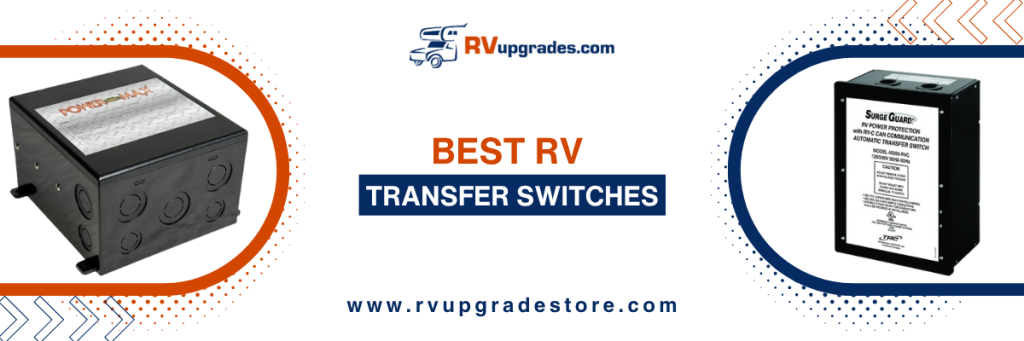
Ever found yourself wondering if you can use a transfer switch in an RV park? You’re not alone.
Many RV enthusiasts like you are curious about the tools and technology that can make their mobile adventures smoother and more enjoyable. Understanding how a transfer switch works in an RV setting can be a game-changer, ensuring that your power supply is seamless and reliable no matter where you park.
Imagine the peace of mind you’ll have, knowing that your appliances will continue to run smoothly without the hassle of manually switching power sources. We’ll dive into the benefits, potential challenges, and key considerations of using a transfer switch in an RV park, equipping you with the knowledge to make an informed decision. Stay with us as we unravel the details that could enhance your RV experience significantly.

Credit: www.rvupgradestore.com
Transfer Switch Basics
A transfer switchis a device that helps move power from one source to another. It is very important for safety and convenience in an RV park. It makes sure electricity flows smoothly without any risk of damage.
There are two main types of transfer switches:
- Manual transfer switches: You switch power sources yourself.
- Automatic transfer switches: They switch power sources by themselves when needed.
Transfer Switches In Rv Parks
Transfer switcheshelp RV owners switch power sources safely. They connect the RV to either the park’s electricity or a generator. This prevents backfeeding, which can be dangerous.
Using a transfer switch allows quick switching without unplugging cords. It also protects the RV’s electrical system from damage. Safety and convenienceare the main benefits.
| Common Applications | Description |
|---|---|
| Generator Connection | Allows safe use of a generator during power outages. |
| Park Power Switching | Switches power source from generator to park electricity smoothly. |
| Prevent Electrical Damage | Protects wiring and appliances from electrical surges. |
Safety Considerations
Transfer switchesmust meet local electrical codesto ensure safety. These codes help prevent accidents caused by wrong wiring or overloads. Always check for certificationsand proper installation guidelines.
Preventing backfeed hazardsis critical. Backfeed happens when power flows in the wrong direction. This can injure utility workers or damage equipment. A transfer switch stops this by isolatingthe power source.
- Use a double-throw transfer switchto separate power sources.
- Ensure the switch disconnectsthe main source before connecting the backup.
- Hire a licensed electricianfor installation.
Installation Guidelines
Professional installationis safer for transfer switches in RV parks. Electricians know the rules and codes well. They use the right tools and parts. DIY installationcan save money but risks mistakes. Wrong wiring can cause fires or damage.
Wiring must follow these proper techniques:
- Use wires of correct size for the switch and load.
- Connect wires tightly to avoid loose contacts.
- Check that the switch matches the power source type.
- Keep wiring neat to prevent shorts and confusion.
- Test the switch after installation for proper operation.
Always ensure groundingis done correctly to protect people and equipment.
Maintenance And Troubleshooting
Regular inspections help keep the transfer switch working well. Check for loose wiresor signs of corrosion. Clean any dust or dirt around the switch. Test the switch by turning it on and off a few times. Listen for unusual soundsthat may signal a problem. Make sure all connections are tightand secure.
Common problems include the switch not changing power sources or making noises. A stuck switchmay mean mechanical parts need cleaning or replacing. If the switch trips often, check for overloadsor faulty wiring. Sometimes, a simple reset fixes the issue. Use a multimeterto test voltage and continuity. Call a professional if unsure about repairs.

Credit: technorv.com
Alternative Power Options
Generatorsprovide quick power in an RV park. They run on gas or diesel. Noise can be a problem for neighbors. Fuel costs add up fast. Maintenance is important to keep them running well.
Solar Power Integrationuses sunlight to charge batteries. It is quiet and clean energy. Solar panels can be placed on the roof. Batteries store power for night use. Initial setup costs more but saves money over time.

Credit: www.rvupgradestore.com
Frequently Asked Questions
Can I Install A Transfer Switch In An Rv Park?
Yes, you can install a transfer switch in an RV park. It safely switches power between sources, preventing electrical hazards. Always follow local codes and park regulations when installing.
What Are The Benefits Of Using A Transfer Switch In Rvs?
A transfer switch ensures safe power source switching. It prevents backfeeding and electrical damage. It also allows seamless transition between generator and shore power.
Is A Transfer Switch Necessary For Rv Park Hookups?
While not always mandatory, a transfer switch enhances safety and convenience. It protects your RV’s electrical system and complies with many park rules.
How Does A Transfer Switch Work In An Rv Park Setup?
It connects two power sources and switches between them without manual unplugging. This avoids power surges and ensures continuous electricity supply.
Conclusion
Using a transfer switch in an RV park is safe and smart. It helps you switch power sources without risk. This tool keeps your RV’s electrical system protected. Always follow the park’s rules and local codes. A transfer switch makes camping easier and more reliable.
It saves time and avoids power problems. Choose the right switch for your RV’s needs. Stay safe, enjoy your trip, and keep your power steady. Simple steps can make a big difference in your RV experience.